
Best Time to Go on an
African Photo Safari
Seasons, wildlife movements, and photographic opportunities across Southern Africa, East Africa, and Uganda
The best time for an African photo safari depends on what you want to see, where you want to travel, and the kind of images you hope to come home with. From dry-season wildlife concentration to lush green-season landscapes, this guide will help you understand the key seasonal differences across Africa’s leading safari regions.
When is the best time to go on photo safari?
There is no single answer for every traveller, because the best time for an African photo safari depends on the region, the wildlife experience you want, and the kind of images you are hoping to come home with. In general, dry season offers the easiest conditions for classic wildlife viewing and photography, while green season brings richer scenery, birdlife, dramatic skies, and a very different photographic mood.
Safari seasons at a glance
Understanding Africa’s safari seasons makes it much easier to choose the right time for your photo safari. Dry season is often best for classic wildlife viewing and easier photography, green season brings lush landscapes and strong birdlife, and shoulder season can offer an appealing balance of scenery, sightings, and value.

Peak / Dry Season
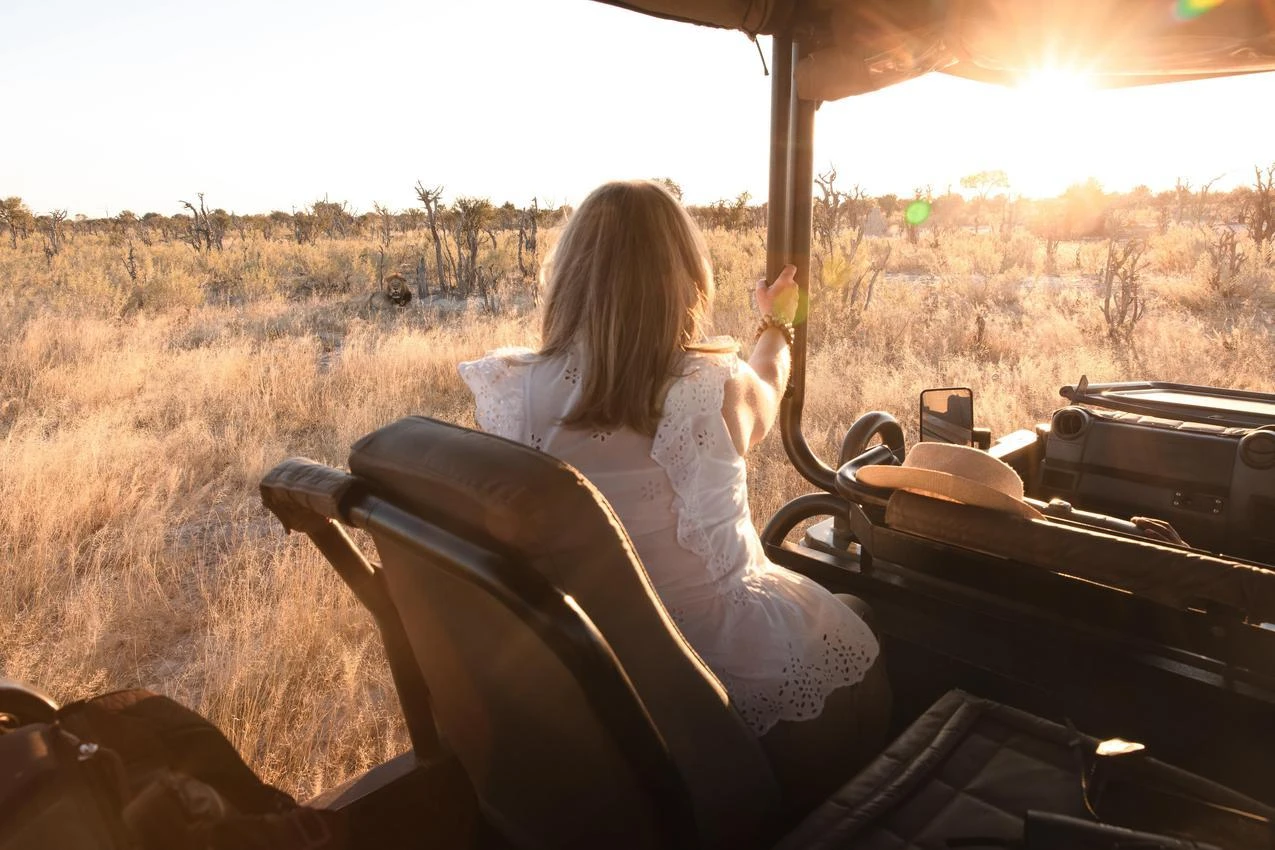
Dry season is usually the best time for classic wildlife viewing and one of the easiest periods for a photo safari. As water becomes scarcer and vegetation thins out, animals are often easier to find and photograph.

Green Season
Green season offers a richer, more atmospheric side of Africa, with fresh landscapes, dramatic skies, birdlife, and young animals. It is a rewarding time for travellers who value mood, colour, and photographic variety.

Shoulder Season
Shoulder season sits between the two and often brings a rewarding mix of wildlife viewing, changing scenery, and lower visitor numbers. For many travellers, it offers a strong balance of variety, value, and flexibility.
Dry season: best for classic wildlife viewing
For many travellers, dry season is the classic time for an African photo safari. As surface water becomes more limited and vegetation thins out, wildlife is easier to find around rivers, waterholes, and permanent channels. This often leads to more consistent sightings, cleaner viewing lines, and easier wildlife photography across many safari regions.
Dry season is especially rewarding for travellers who want a traditional safari experience centred on strong wildlife viewing, predator activity, and reliable game drives. In Southern Africa, it is often the best time to see animals gathering around permanent water, while in parts of East Africa it can also coincide with excellent open-country game viewing and major seasonal wildlife activity.
From a photographic point of view, dry season often makes life simpler. Lower grasses, thinner bush, and more predictable wildlife movement can all make it easier to compose cleaner images and respond quickly to wildlife behaviour in the field.
Best for:
Green season: best for scenery, birdlife, and atmosphere
Green season reveals a different side of an African photo safari, with fresh growth, richer colour, fuller skies, and a strong sense of seasonal life returning to the landscape. It is often an excellent time for travellers who care as much about mood, atmosphere, and photographic variety as they do about classic dry-season wildlife concentration.
As the rains arrive, the bush changes quickly. Grass becomes greener, trees fill out, birdlife improves, and many safari regions feel more vibrant and alive. In some destinations, this is also a rewarding time to see young animals, seasonal behaviour, and landscapes that feel very different from the dust and dryness of peak season.
For photographers, green season can be especially appealing because the scenery becomes part of the image in a much bigger way. Dramatic skies, richer backdrops, softer seasonal colour, and a more atmospheric feel can all create a very different style of safari photography.
Best for:
Shoulder season: a smart balance between the two
Shoulder season can be one of the most rewarding times for an African photo safari, offering a balance between stronger wildlife viewing, changing landscapes, and a quieter overall travel experience. For many travellers, it combines some of the visual appeal of green season with some of the easier viewing conditions of the dry months.
These transitional periods often bring a little more variety to the safari experience. In some destinations, there is still enough dryness for good game viewing, while in others the first signs of seasonal change begin to soften the landscape and add more atmosphere to the bush.
For photographers, shoulder season can be particularly appealing because it often delivers more contrast in the environment. You may still enjoy solid wildlife sightings, but with added colour, softer light, changing skies, and fewer vehicles in many safari areas.
Best for:
How timing changes by region
While broad safari seasons apply across much of Africa, regional differences still matter. Southern Africa, East Africa, and Uganda each follow slightly different seasonal patterns shaped by rainfall, wildlife movement, vegetation, and the style of photographic safari experience each region is best known for.
Southern Africa
Southern Africa is shaped strongly by rainfall, vegetation, and water availability. In destinations such as Botswana, Zimbabwe, and Zambia, the dry season is often excellent for wildlife viewing as animals gather around permanent water and bush cover becomes thinner. This makes Southern Africa especially rewarding for photographic safaris focused on classic game viewing, strong wildlife concentration, and cleaner shooting conditions.
East Africa
East Africa follows a slightly different rhythm, with safari timing influenced not only by rainfall but also by wider wildlife movement across the ecosystem. Kenya and Tanzania can be outstanding at different times of year for migration-linked travel, open plains wildlife viewing, and iconic photographic safari moments that many travellers associate with East Africa.


Uganda
Uganda is different again, with timing shaped more by trekking conditions, forest access, and rainfall than by classic open-country safari patterns. Gorilla and chimpanzee experiences can be rewarding throughout the year, but drier periods are often more comfortable underfoot and better suited to travellers building a specialist wildlife photography journey around Uganda.
What is the best season for your safari style?
The right season often comes down to the kind of photo safari you want to have. Some travellers prioritise classic wildlife sightings and easier viewing conditions, while others are more interested in birdlife, green landscapes, dramatic light, or travelling at quieter times of year.
Best for first-time safari travellers
Dry season is often the easiest introduction to a photo safari, with reliable wildlife sightings, more open bush, and simpler viewing conditions for first-time travellers.
Best for wildlife photography
Dry season is often best for easier sightings and cleaner views, while green season brings mood, colour, and a more atmospheric photographic style.
Best for green landscapes
Green season suits travellers who want richer scenery & atmosphere, seasonal light, dramatic skies, and a more vibrant photographic backdrop.
Best for
birding
Green season often brings the strongest birdlife, especially when migratory species arrive and breeding activity increases across the bush.
Best for fewer
crowds
Shoulder season and green season can offer a quieter, more relaxed safari experience in many destinations outside peak travel
periods.
Best for classic big game viewing
Dry season remains the standout choice for concentrated wildlife viewing, especially where animals gather around permanent water sources.
Explore the best time to travel by destination
Once you have a general sense of the season that suits you best, the next step is to explore the destinations that match your travel goals. Each country and region has its own timing nuances, and understanding those differences can help you choose the right photo safari for wildlife, photography, and overall travel style.


Frequently asked questions
If you are still comparing seasons, destinations, or safari styles, these are some of the most common questions travellers ask when deciding when to go. This quick reference is designed to help you understand the basics of timing, wildlife viewing, and photographic conditions before planning your safari in more detail.


“
“The Okavango Delta was a dream location for a photo safari. The scenery alone makes it special, but the wildlife encounters were just as impressive. We had great opportunities to photograph lions in the grasslands and elephants feeding in the floodplains, all with beautiful open backgrounds. What we really appreciated was the patience of the guides — they understood that photographers sometimes need a little extra time to get the shot.”
Daniel & Melissa Tan
Singapore
Need help choosing the right time to travel?
Choosing the best time for an African photo safari is not just about weather or seasonality. It is about matching the right destination, wildlife experience, and photographic opportunity to the kind of journey you want to have.