
Photo Safari Gear
The Camera Bodies, Lenses, and Safari Photography Gear We Trust in the Field
Great safari photography is not only about being in the right place at the right time. It is also about carrying gear that can handle real field conditions, from fast-moving wildlife and low light to dust, distance, and constantly changing scenes. Here, we share the camera bodies, Canon lenses, and practical safari photography gear we use and recommend for African photo safaris.
Why Gear Matters on a Photo Safari
The camera bodies we use on our photo safaris are chosen for one simple reason: they perform when conditions are real, fast-moving, and unpredictable. On an African photo safari, there is very little value in gear that looks impressive on paper but struggles when the light drops, the dust rises, or an animal changes direction in a split second. We look for camera bodies that offer speed, reliable autofocus, strong low-light performance, durability, and handling that feels natural during long days in the field.
Our own working kit is centred around Canon, particularly the latest mirrorless bodies that have proven themselves in wildlife photography and safari photography environments. That includes flagship bodies for fast action, high-resolution all-rounders for versatility, and specialist video-focused bodies for cinematic storytelling. We also recognise that not every guest will be travelling with a top-tier professional setup, which is why we continue to rate several more accessible Canon bodies for photographic safaris as well.
The Camera Bodies We Use on Safari
The camera bodies we use on our photo safaris are chosen for one simple reason: they perform when conditions are real, fast-moving, and unpredictable. On an African photo safari, there is very little value in gear that looks impressive on paper but struggles when the light drops, the dust rises, or an animal changes direction in a split second. We look for camera bodies that offer speed, reliable autofocus, strong low-light performance, durability, and handling that feels natural during long days in the field.
Our own working kit is centred around Canon, particularly the latest mirrorless bodies that have proven themselves in wildlife photography and safari photography environments. That includes flagship bodies for fast action, high-resolution all-rounders for versatility, and specialist video-focused bodies for cinematic storytelling. We also recognise that not every guest will be travelling with a top-tier professional setup, which is why we continue to rate several more accessible Canon bodies for photographic safaris as well.
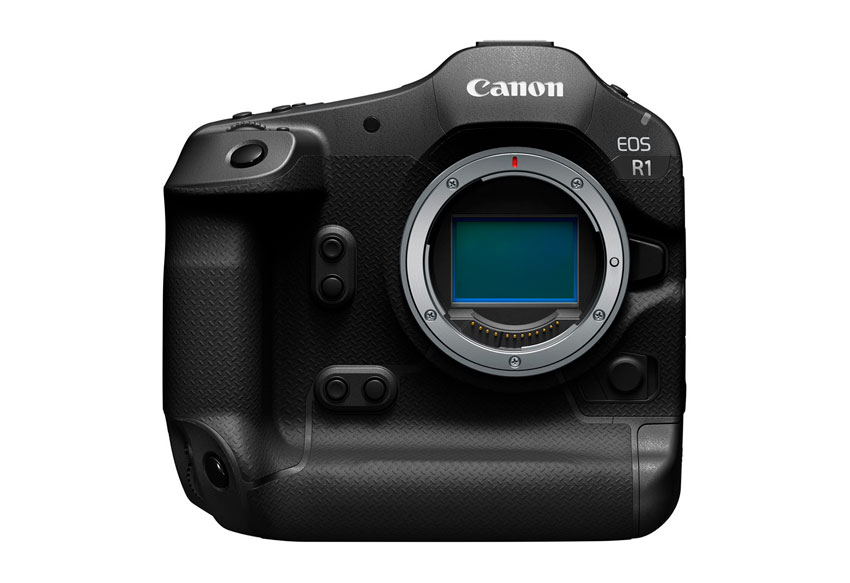
Primary Body
Canon EOS R1
The Canon EOS R1 sits at the top of our stills-based safari workflow. This is a body built for speed, responsiveness, and confidence in the field, which is exactly what matters when photographing wildlife on safari. Whether you are tracking birds in flight, following a lioness moving through golden grass, or reacting to a sudden elephant interaction near the vehicle, the R1 gives you the kind of autofocus performance and shooting confidence that serious wildlife photography demands.
For African photo safaris, the R1 is particularly valuable when the pace is high and the margin for error is low. It is the sort of body we trust when the scene develops quickly and there is no time to second-guess the camera. For photographers who want a flagship Canon body for safari photography, this is one of the strongest tools available.
Secondary Body
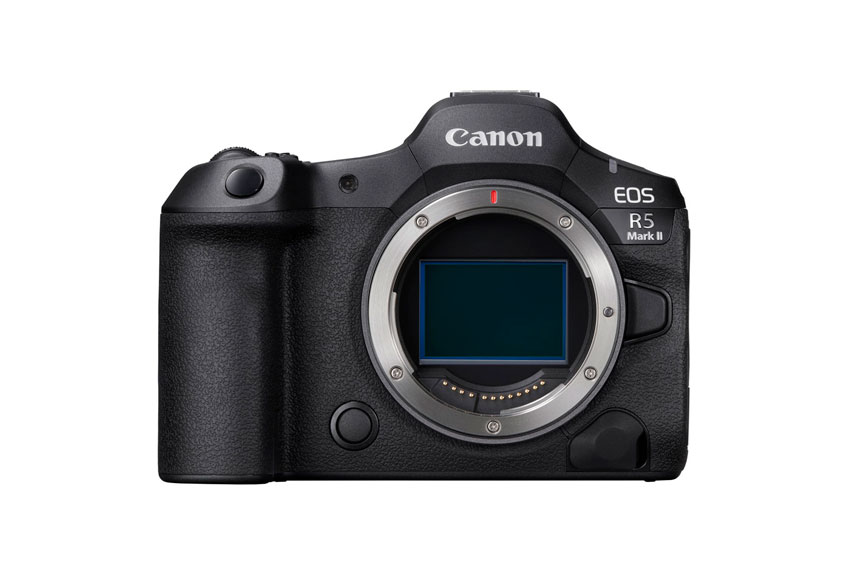
Canon EOS R5 Mark II
The Canon EOS R5 Mark II is one of the most versatile camera bodies we use on safari. It offers an excellent balance of speed, resolution, and practical flexibility, making it exceptionally well suited to photographic safaris where the subject matter can shift quickly from wildlife portraits to wider habitat scenes, camp life, and storytelling moments.
One of the reasons we value the R5 Mark II so highly is that it feels equally capable across a wide range of safari conditions. It is powerful enough for serious wildlife photography, yet flexible enough to handle the broader visual story of a safari experience. For many photographers, this is the ideal all-round Canon body for an African photo safari, especially when paired with a strong telephoto lens on one body and a more versatile zoom on another.
Primary Video Body
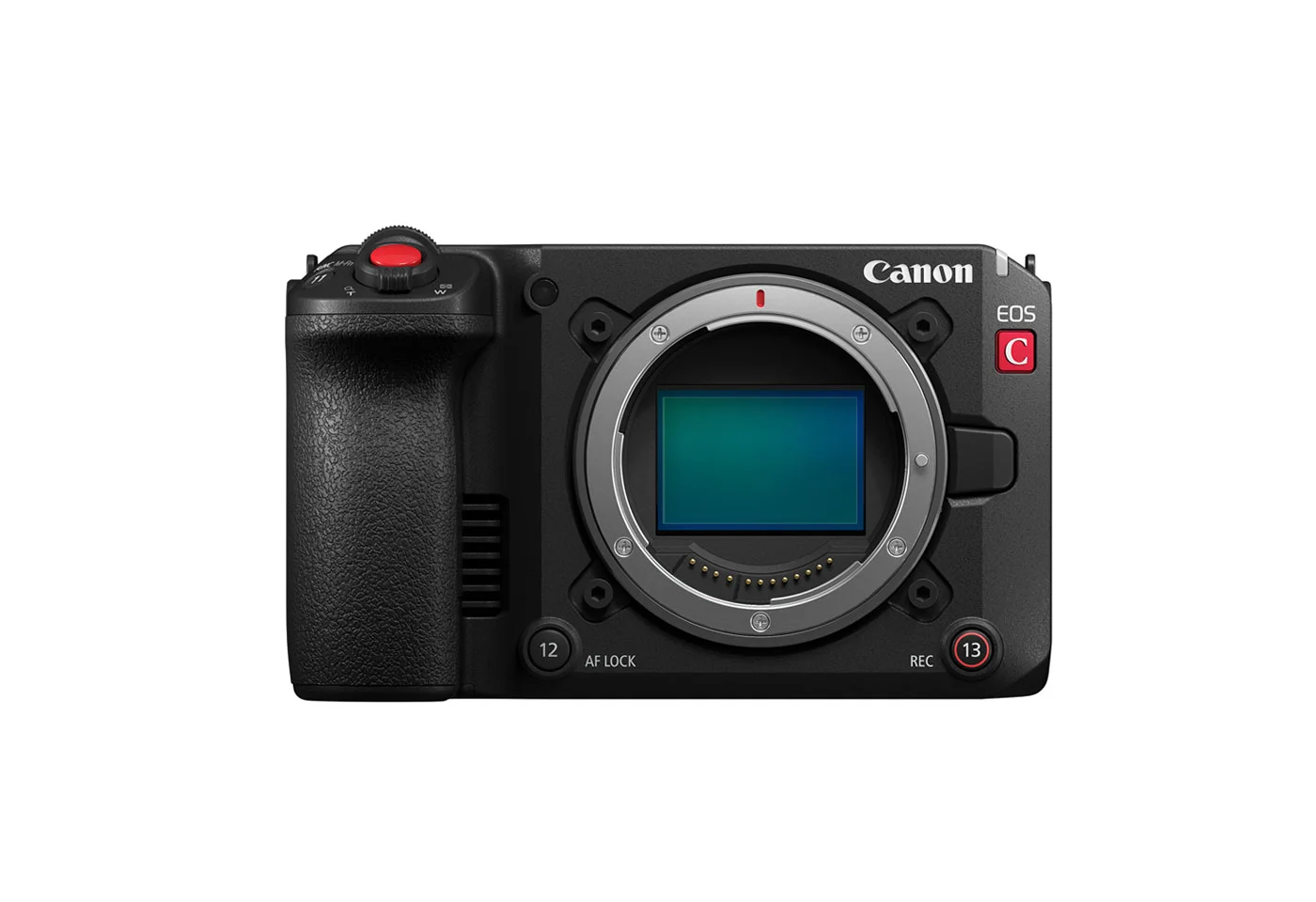
Canon EOR C50
The Canon EOS C50 adds a cinematic layer to the way we capture safari experiences. While still photography remains central to what we do on photo safaris, there are times when moving image storytelling adds real depth, especially when documenting atmosphere, camp life, wildlife behaviour, and the feeling of being immersed in Africa’s wild places. That is where a body like the C50 comes into its own.
For us, the Canon C50 is less about replacing a stills body and more about complementing one. It allows us to produce high-quality cinematic content that reflects the pace, mood, and detail of a photographic safari in a different way. For guests and travellers interested in both photography and video, or for those who appreciate a more complete safari storytelling workflow, the C50 is a valuable part of the wider gear setup.
Tertiary Body
Canon EOS R6 Mark III
The Canon EOS R6 Mark III is a very compelling body for modern photo safari work, especially for photographers who want a camera that sits comfortably between high-end performance and practical all-round usability. It brings together strong resolution, fast continuous shooting, advanced autofocus, and a genuinely capable hybrid feature set, making it a very attractive option for wildlife photographers who want one body to cover a wide range of safari situations. Canon positions it as a pro-level hybrid camera, with a 32.5MP full-frame sensor, up to 40 fps photo shooting, and autofocus capabilities drawn from the EOS R5 Mark II and EOS R1.
For African photo safaris, the EOS R6 Mark III makes a lot of sense for photographers who want speed and flexibility without stepping all the way into flagship territory. It should be especially well suited to travellers who want one body capable of handling wildlife, birds, landscapes, camp scenes, and video as part of a broader safari workflow. Its hybrid strengths are especially relevant for today’s content creation, where guests often want both stills and short-form video from the same trip.
For those who also shoot video on safari, one of the standout features is Open Gate recording. Open Gate uses the full sensor area rather than a cropped standard video frame, which gives you much more flexibility when editing. That means the same footage can be reframed for horizontal website content, cinematic edits, vertical social media clips, or stabilised crops without sacrificing as much image area. Canon specifies 3:2 Open Gate recording at up to 7K 29.97p in 10-bit MP4 or 12-bit RAW, and notes the benefit for increased vertical resolution, compositional flexibility, and post-production stabilisation. On safari, where wildlife behaviour is fast, unpredictable, and rarely repeatable, that kind of flexibility can be a real advantage.

Canon EOS R6 Mark II
The Canon EOS R6 Mark II remains a very strong option for safari photography, particularly for photographers who want serious performance without moving all the way into flagship pricing. It is quick, dependable, strong in low light, and well suited to the kind of wildlife encounters that define a photographic safari.
This is the sort of camera body that gives many travellers more than enough performance to return home with excellent safari images. Paired with the right lens, it is highly capable for mammals, birds, general wildlife behaviour, and those quickly changing moments that make safari photography so rewarding.

The Canon Lenses We Use on Safari
On a photo safari, lenses often make an even bigger difference than the camera body itself. Wildlife is rarely positioned at the perfect distance, and one of the biggest challenges in safari photography is adapting to changing scenes quickly and effectively. A lion may be resting at medium range one moment, then a fish eagle appears overhead, or elephants walk close to the vehicle with almost no warning. That is why our safari lens choices are built around reach, versatility, speed, and image quality in the field.
Our preferred working system is centred around Canon RF lenses, supported in one case by a Sigma EF portrait lens that still earns its place for specific creative use. The lenses below are the ones we trust for African photo safaris, wildlife photography safaris, and broader visual storytelling across the safari experience.
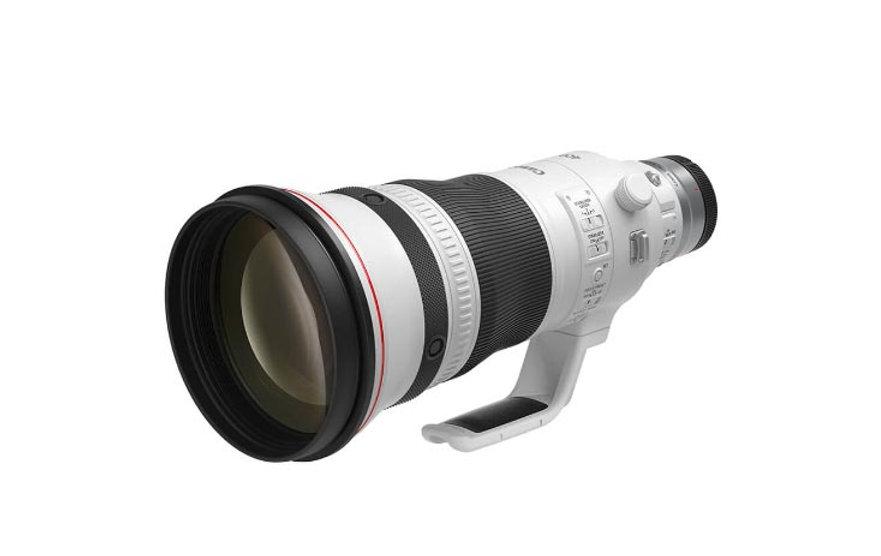
Canon RF 400mm f/2.8 L IS USM
The Canon RF 400mm f/2.8 L IS USM is one of the standout lenses for serious wildlife photography on safari. When we want exceptional subject isolation, fast performance, and beautiful rendering, this is one of the lenses we reach for. It is especially strong for photographing big cats, birds, and more distant subjects where both reach and image quality matter.
On an African photo safari, a lens like this gives photographers the ability to create clean, striking wildlife portraits with a premium look and feel. It is a specialist lens, but in the right hands and in the right safari environment, it can produce some of the most memorable images of a trip.
Canon RF 100-300mm f/2.8 L IS USM
The Canon RF 100-300mm f/2.8 L IS USM is one of the most flexible premium lenses we use on safari, and our personal favourite. It covers a very useful focal range while maintaining a fast aperture, making it ideal for situations where animals are active, moving, or working within more dynamic distances from the vehicle.
This lens is especially effective when you want speed and quality but do not want to be locked into a fixed focal length. For fast-moving wildlife, changing compositions, and the unpredictability of a real photographic safari, it gives a level of adaptability that is incredibly valuable in the field.
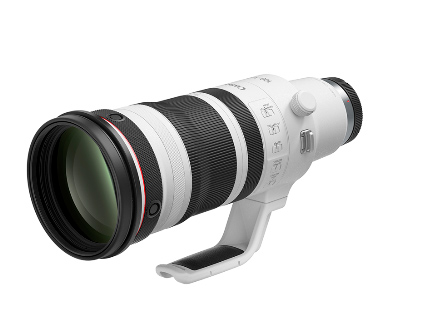

Canon RF 24-105mm f/2.8 L IS USM Z
The Canon RF 24-105mm f/2.8 L IS USM Z gives us an incredibly useful mid-range zoom for storytelling beyond tight wildlife portraits. While long lenses do much of the heavy lifting on safari, they do not tell the whole story. The 24-105mm range is ideal for environmental wildlife compositions, people in camp, vehicle-based storytelling, lifestyle imagery, and many of the moments that give a safari its atmosphere.
This lens is particularly valuable for photographers and creators who want a more complete visual record of the experience, rather than only close-up wildlife images. It also pairs beautifully with a longer telephoto setup on a second body, making it part of a very practical two-camera safari workflow.
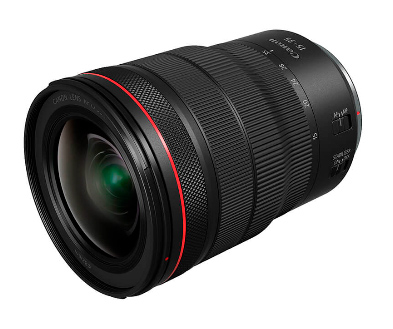
Canon RF 15-35mm f/2.8 L IS USM
The Canon RF 15-35mm f/2.8 L IS USM gives us the wider view that is often missing from many safari camera kits. While wildlife photography is often associated with long focal lengths, some of the most memorable safari images come from showing context, scale, weather, light, camp atmosphere, and the landscape itself.
This lens is perfect for dramatic skies, wider scenes around camp, environmental compositions, and those moments where Africa’s sense of place is just as important as the animal itself. For photographers who want to come home with a stronger visual story, not just a collection of close wildlife portraits, a lens like this is a very worthwhile part of the safari gear setup.
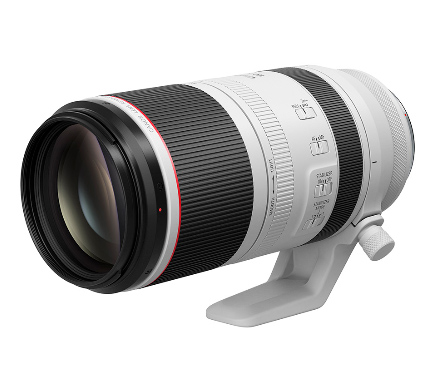
Canon RF 100-500mm f/4.5-7.1 L IS USM
The Canon RF 24-105mm f/2.8 L IS USM Z gives us an incredibly useful mid-range zoom for storytelling beyond tight wildlife portraits. While long lenses do much of the heavy lifting on safari, they do not tell the whole story. The 24-105mm range is ideal for environmental wildlife compositions, people in camp, vehicle-based storytelling, lifestyle imagery, and many of the moments that give a safari its atmosphere.
This lens is particularly valuable for photographers and creators who want a more complete visual record of the experience, rather than only close-up wildlife images. It also pairs beautifully with a longer telephoto setup on a second body, making it part of a very practical two-camera safari workflow.
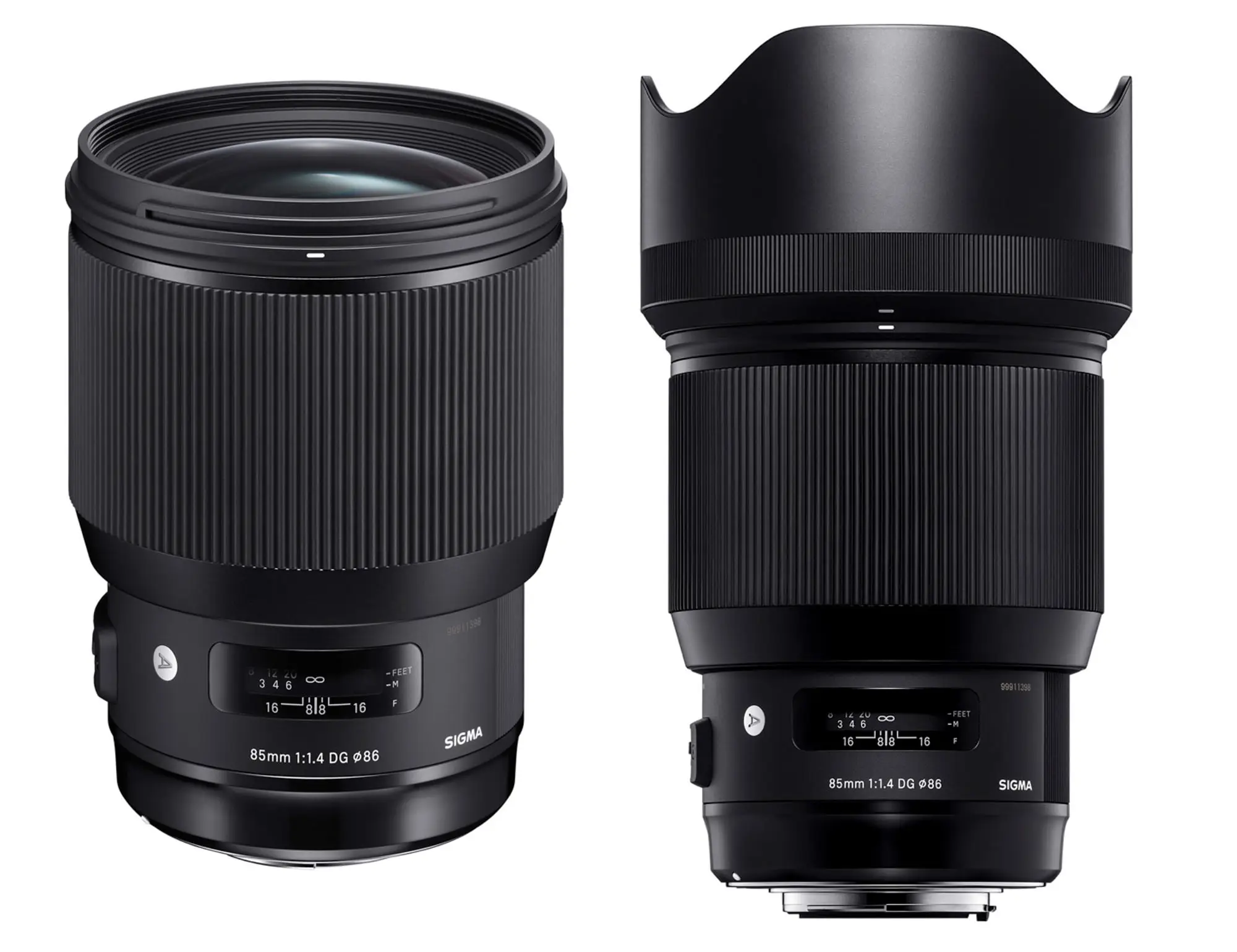
Sigma EF 85mm f/1.4 ART
The Sigma EF 85mm f/1.4 remains a beautiful creative lens for selected safari work, particularly where a softer, more intimate, or more stylised look is wanted. While it is not a primary wildlife lens in the traditional safari sense, it still has value for portraits, camp details, guide imagery, and low-light storytelling moments where character and atmosphere matter.
On a photographic safari, not every frame needs to be about reach. Sometimes the quieter images around the edges of the experience are just as important, and this is where a lens like the Sigma 85mm can bring something distinctive to the kit.
Our Typical Photo Safari Gear Setup
A well-chosen safari photography kit is not only about individual camera bodies or lenses. What matters just as much is how the full setup works together in the field. On an African photo safari, conditions can change in seconds. A lion may be resting at distance one moment, then a herd of elephants moves in close, or a fish eagle lifts off without warning. In those moments, a practical, well-balanced setup gives you far more flexibility than relying on a single body and lens combination.
Our typical photo safari gear setup is built around speed, readiness, and reducing compromise in the field. In most cases, we prefer working with two camera bodies, each paired with a different lens. This allows us to move quickly between longer wildlife compositions and wider storytelling scenes without constantly changing lenses in dusty conditions. It also helps reduce the risk of missing a moment while swapping gear, which is one of the most common frustrations for photographers on safari.
A Two-Body Setup for Flexibility and Speed
Where possible, we prefer a two-body setup on safari. One body is usually paired with a longer telephoto lens for wildlife, while the second is fitted with a more versatile zoom or wider lens for closer encounters, environmental images, camp scenes, or cinematic storytelling. This approach gives us immediate flexibility when the subject distance changes, and it also helps keep the workflow smoother and more efficient throughout the day.
For example, one of our common stills-based setups might include a Canon EOS R1 or Canon EOS R5 Mark II paired with a longer wildlife lens such as the Canon RF 400mm f/2.8 L IS USM or the Canon RF 100-500mm f/4.5-7.1 L IS USM, while a second body carries something like the Canon RF 24-105mm f/2.8 L IS USM Z for broader storytelling, closer subjects, and more versatile compositions. This kind of pairing works especially well on safari because it covers both wildlife reach and the wider sense of place without slowing you down.
Why We Avoid Constant Lens Changes
Dust, movement, and timing are all factors on safari. Changing lenses too often in an open vehicle is not ideal, particularly in dry conditions where dust can quickly become an issue. It also takes time, and in wildlife photography, time is often the one thing you do not have. By keeping two bodies ready with different focal lengths, we minimise interruptions and stay prepared for fast-changing encounters.
This is not just about convenience. It is about staying present and responsive. The less time spent searching through a bag or changing gear, the more time you have to watch behaviour, anticipate movement, and think about composition. On a photographic safari, that often leads to stronger images than simply carrying more equipment.
Balancing Wildlife Reach with Storytelling
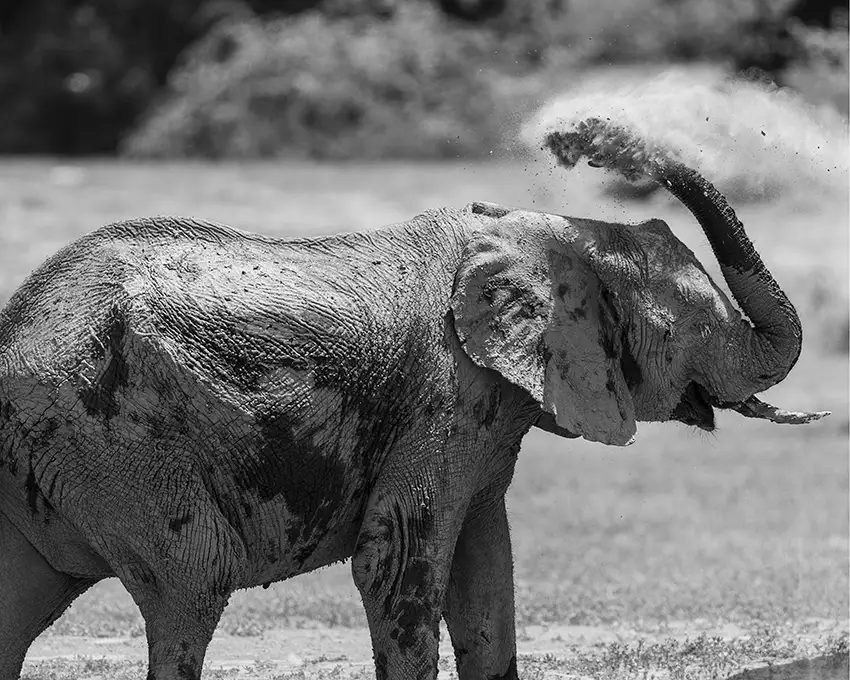
A successful photo safari gallery should not only be a collection of tightly cropped wildlife portraits. While those images are important, the strongest safari storytelling usually comes from a mix of perspectives. That is why our typical gear setup is designed to capture both detail and atmosphere.
Long lenses allow us to isolate wildlife, photograph shy or distant subjects, and create those classic safari portraits with beautiful separation and compression. But shorter zooms and wider lenses are just as valuable for showing habitat, weather, camp life, vehicles, guides, and the overall feel of the experience. A good safari gear setup should help you return home with a richer, more complete visual story of your time in Africa.


Adding Video into the Setup
For hybrid creators, safari hosts, or photographers who also value cinematic footage, our setup can also include a dedicated video body such as the Canon EOS C50 or a hybrid stills-and-video body like the Canon EOS R6 Mark III. This gives us the ability to capture not only still wildlife images, but also movement, atmosphere, sound, and the broader rhythm of life on safari.
In practical terms, this means the setup can be adapted depending on the purpose of the trip. Some safaris may be focused almost entirely on still photography, while others may call for a more hybrid kit that supports behind-the-scenes content, short-form reels, cinematic sequences, or destination storytelling. The goal is always the same: carry gear that supports the experience rather than complicating it.
A Setup Built for the Realities of Safari
Ultimately, our typical photo safari gear setup is about being prepared without overcomplicating things. We believe in carrying gear that is purposeful, field-proven, and suited to the realities of wildlife photography in Africa. That means dependable camera bodies, thoughtfully chosen lenses, and a workflow that helps us react quickly when the moment arrives.
There is no single perfect kit for every photographer, but there is a clear difference between a setup that works with safari conditions and one that works against them. Our approach is built around flexibility, speed, and confidence in the field, so that when something special happens, we are ready for it.
The core camera kit is only part of the equation. Small supporting items can make a surprisingly big difference to comfort, efficiency, and image-making on safari, which is why the accessories we carry matter more than many photographers first expect.
The Accessories That Matter More Than People Expect
When people think about photo safari gear, most of the attention naturally goes to camera bodies and lenses. Those are, of course, the foundations of a strong safari kit. But in the field, it is often the smaller supporting items that make the biggest difference to comfort, efficiency, and consistency over the course of a trip. On an African photo safari, good accessories are not an afterthought. They are part of what helps your camera gear perform properly in changing conditions.
Dust, heat, long game drives, early starts, and limited time with wildlife all place different demands on your setup than everyday photography does. That is why we place real value on the practical accessories that help us stay ready, protect our gear, and keep shooting with minimal interruption. These are the items that may not get the same attention as a flagship camera body or premium Canon lens, but they play a major role in making a safari photography kit work well in the real world.
Spare Batteries and Reliable Power
A photo safari often means long days in the field, early starts, and many hours away from charging points. Add in burst shooting, autofocus tracking, image review, and video capture, and batteries can drain more quickly than many photographers expect. That is why spare batteries are one of the simplest but most important items in any safari photography setup.
We always recommend carrying enough charged batteries to get comfortably through a full day without stress. This is especially important for photographers using mirrorless systems, shooting heavily, or capturing both stills and video. It is much easier to enjoy the experience and stay focused on wildlife when you are not constantly managing power anxiety in the back of a safari vehicle.
Fast Memory Cards and Sensible Storage
On safari, action can unfold quickly and continuously. Fast memory cards help camera bodies clear buffers more efficiently and keep up with demanding bursts, particularly when photographing birds in flight, predator interactions, or fast-moving wildlife behaviour. Reliable cards also become even more important when shooting high-resolution stills or video.
Just as important is carrying enough card capacity for the duration of a drive or full day. Running out of space in the middle of a key wildlife encounter is a frustration that is easily avoided with a bit of planning. For that reason, we favour a clean, organised card workflow that allows photographers to shoot confidently, rotate cards sensibly, and keep their files backed up wherever possible.
Bean Bags for Stability in the Vehicle
A bean bag is one of the most useful safari photography accessories you can carry. In an open vehicle, it provides a simple and highly effective way to stabilise a long lens on the rail without the complexity of a tripod or larger support system. For many photographers on safari, a bean bag quickly becomes one of the most heavily used items in the entire kit.
It allows you to shoot more comfortably during long sightings, gives additional support for heavier wildlife lenses, and helps reduce fatigue when waiting for the right moment. On African photo safaris, where much of the photography happens from a vehicle, a bean bag is often far more practical than many first-time travellers realise.
Cleaning Cloths, Blowers, and Basic Maintenance Tools
Dust is part of safari life. Even in greener conditions, the combination of travel, open vehicles, roads, and changing environments means camera gear can quickly pick up dust, marks, and general wear. A few simple cleaning items can make a big difference to keeping your gear in good working order throughout the trip.
Microfibre cloths, lens wipes, and a small air blower are all useful additions to a safari camera kit. These are not glamorous items, but they help keep front elements clean, reduce frustration, and make it easier to maintain image quality across the trip. When you are shooting into changing light or working with long lenses, even small marks on a front element can become more noticeable than you might expect.
Rain Covers and Dust Protection
While many people associate safari primarily with dry conditions, weather and environment can shift quickly depending on region and season. Rain, river spray, dust, and wind are all realities in different safari settings, which is why basic protective covers are worth carrying.
A simple rain cover or weather sleeve can help protect a camera and lens when conditions turn unexpectedly, while also offering peace of mind when travelling between camps or photographing in unsettled weather. The same applies to dust protection. Good safari photography gear is not only about performance; it is also about preserving that performance across the duration of the trip.
Comfortable Straps and Practical Carry Solutions
A safari photography setup is only useful if it is practical to carry, handle, and access quickly. Comfortable straps, harness systems, and sensible bags all play a role in how smoothly a photographer can work during a safari. The goal is not to carry everything at once, but to keep the essentials secure, organised, and easy to access when the moment comes.
For travel days, transfers, and movement through camps or airports, a reliable camera bag is especially important. For game drives themselves, it helps to have a simple, uncluttered setup that keeps the main bodies and lenses close at hand without unnecessary complication. Good carry solutions support the overall rhythm of the safari rather than slowing it down.
Hard Drives, Backups, and File Security
By the end of a good photo safari, most photographers will have created a large volume of images, and in many cases a meaningful amount of video as well. That makes file security a very important part of the overall gear conversation. Capturing strong wildlife images is one thing; protecting them properly is another.
Portable hard drives, SSDs, laptops, and sensible backup habits all help reduce risk. Many photographers prefer to back up daily so that the trip’s work is not sitting in only one place. On a photographic safari, where some moments are once-in-a-lifetime, a simple and reliable backup workflow is just as important as any lens or camera body in the bag.
The Small Things That Keep You Ready
Some of the most helpful safari accessories are the least exciting on paper: spare cables, card wallets, lens caps, battery organisers, power banks, sensor tools, and simple protective pouches. None of these items will be the reason someone books a photo safari, but in the field they contribute to a smoother, more confident experience.
That is really the point of good safari photography gear as a whole. It is not only about having premium equipment. It is about creating a setup that works well under pressure, stays organised in the field, and lets you focus on wildlife, behaviour, light, and composition rather than preventable problems.
The right safari photography kit is about more than just cameras and lenses. It is the small supporting items behind the scenes that often make the biggest difference to comfort, workflow, and confidence in the field. But even the best gear setup needs to suit the photographer using it. The next step is understanding what matters most for your own experience level, travel style, and photographic goals on safari.
Need Help Choosing the Right Safari Photography Gear?
Choosing the right gear for a photographic safari is not always about buying the biggest lens or the most expensive camera body. It is about building a setup that suits your experience level, your travel style, and the kind of images or video you want to create in the field. Some guests arrive with a full professional wildlife photography kit, while others are preparing for their first African photo safari and want to make sure they bring gear that is practical, dependable, and genuinely useful.
That is why we always encourage photographers to think about safari gear in context. The best setup for one traveller may not be the right setup for another. Factors such as destination, season, subject matter, travel weight, confidence with camera settings, and whether you are shooting stills, video, or both can all influence what makes sense to bring. A well-balanced kit is usually far more valuable than simply carrying more equipment.
If you are unsure what camera body to bring, what lens focal lengths will serve you best, or whether it is worth upgrading before your safari, we are always happy to help point you in the right direction. Our goal is to help guests arrive with a safari photography setup that feels comfortable, capable, and ready for the experience ahead, so once you are in the field, your focus can stay on the wildlife, the light, and the moments unfolding in front of you.
Photo Safari Gear FAQs
Ready to Put Your Gear to Work on Safari?
The right camera gear matters, but the real magic happens when it is used in the right place, with the right guidance, and in front of the kind of wildlife moments that make a photographic safari unforgettable. Whether you are travelling with a flagship wildlife setup or preparing for your first serious safari photography experience, the goal is the same: to be in the field, ready when those moments unfold.
Our scheduled photo safaris are designed for photographers who want more than just sightings. They are built around time in the field, strong guiding, thoughtful pacing, and real opportunities to create meaningful wildlife images in some of Africa’s most rewarding safari destinations. If you are ready to move from planning your gear to planning your next safari, explore our upcoming departures below.