
Sabi Sand Photo Safaris
Private Big Five Photography Safaris in South Africa
Photograph leopards, lions, elephants, rhinos, wild dogs and classic Lowveld wildlife on a private Sabi Sand photo safari designed around expert guiding, off-road tracking, good light and time in the field.
Sabi Sand Photo Safaris Designed Around Leopards, Big Five Wildlife and Private Guiding
Sabi Sand is one of South Africa’s most rewarding destinations for wildlife photography, especially for photographers who want reliable Big Five encounters, close leopard sightings and the flexibility of a private reserve safari. Sharing an unfenced boundary with Kruger National Park, this famous Greater Kruger reserve combines exceptional wildlife density with off-road tracking, experienced ranger-and-tracker teams and a more controlled photographic pace than many public-park safari areas can offer.
A well-planned Sabi Sand photo safari can include early morning and late afternoon game drives, patient time at big cat sightings, close elephant encounters, wild dog movement, rhino photography, birdlife, riverine habitat and classic Lowveld landscapes. The real value for photographers is not only what you see, but how you are able to work each sighting with light, background, vehicle position and animal behaviour in mind.
At Photo Safari Company, we design Sabi Sand photo safaris around the details that matter in the field: where to stay, when to travel, whether to arrange a private vehicle, which lodges offer the strongest photographic access, and how to build an itinerary that gives you enough time to photograph properly rather than simply move from sighting to sighting.
Sabi Sand At A Glance
Key Facts for a Sabi Sand Photo Safari
Sabi Sand is one of South Africa’s most respected private wildlife reserves, sharing an unfenced boundary with Kruger National Park in the Greater Kruger ecosystem. For photographers, its strength lies in close Big Five encounters, exceptional leopard sightings, off-road tracking, experienced guiding teams and a private-reserve safari rhythm that allows more time with key subjects.
A Sabi Sand photo safari can be especially rewarding for leopard photography, lion encounters, elephant behaviour, rhino sightings, African wild dogs, birdlife and classic Lowveld landscapes. With the right lodge, vehicle setup and guiding team, photographers can work more patiently with light, background, composition and wildlife behaviour.
Sabi Sand Game Reserve
Recorded Bird Species
Recorded Mammal Species
May – October
Peak Dry Season Photography
Why Sabi Sand Works So Well for Photographers
Exceptional Leopard Photography
Sabi Sand is one of Africa’s strongest leopard photography regions, with excellent chances for close portraits, movement, tree scenes and relaxed behaviour.
Big Five in Close
Range
Lions, leopards, elephants, rhinos and buffalo are regularly seen, often at close range, giving photographers strong opportunities for detailed wildlife images.
Expert Ranger and Tracker Teams
Experienced guides and trackers help read movement, behaviour and fresh signs, creating better chances of finding and working productive sightings.
Lowveld Light and Habitat
Riverbeds, woodland, open clearings and classic Lowveld bush create varied backgrounds for big cats, elephants, birds and wider environmental images.
Private Vehicle Options
Private vehicles can give photographers more space, better control over positioning and a safari pace shaped around light, behaviour and patience.
Private Reserve Flexibility
Private-reserve guiding allows off-road tracking, careful vehicle positioning and more time at key sightings when conditions are right for photography.
Why Choose a Sabi Sand Photo Safari

Sabi Sand is one of the best places in South Africa for photographers who want close wildlife encounters without losing the sense of being in a private, carefully managed wilderness. The reserve is famous for leopard photography, but its real strength is the combination of relaxed wildlife, expert guiding, off-road tracking and strong Big Five viewing within the Greater Kruger ecosystem.
For photographers, Sabi Sand offers a level of flexibility that can make a real difference in the field. When a leopard moves through riverine cover, a lion pride rests in morning light or elephants cross a sandy drainage line, the ability to position carefully and spend time with the sighting gives you a better chance of creating thoughtful images rather than rushed record shots.
A Sabi Sand photo safari also works beautifully for travellers who want comfort without sacrificing photographic purpose. Lodges are refined and highly personal, but the focus of the itinerary remains on the field experience: early starts, productive guiding, patient sightings, private vehicle options and enough time to work with light, behaviour and composition.
Leopard-Focused Photography
Sabi Sand is renowned for relaxed leopard sightings, giving photographers strong chances for portraits, movement, behaviour and beautiful Lowveld backgrounds.
Off-Road Photo Positioning
Private reserve access allows careful off-road tracking, helping photographers work better angles, cleaner backgrounds and stronger light when sightings allow.
Private Vehicle Flexibility
A private vehicle gives photographers more space for gear, more control over positioning and more time to stay with sightings that are working well.
Big Five at Close Range
Lions, leopards, elephants, rhinos and buffalo are often seen at close range, creating strong opportunities for detail, behaviour and environmental images.
Light, Angles and Patience
Sabi Sand works well for photographers because sightings can often be approached patiently, with time to adjust for light, angle, background and behaviour.
Experienced Tracker Teams
Ranger-and-tracker teams help locate fresh movement, follow animal behaviour and position the vehicle with the photographer’s view in mind.
Sabi Sand Wildlife and Photographic Landscapes
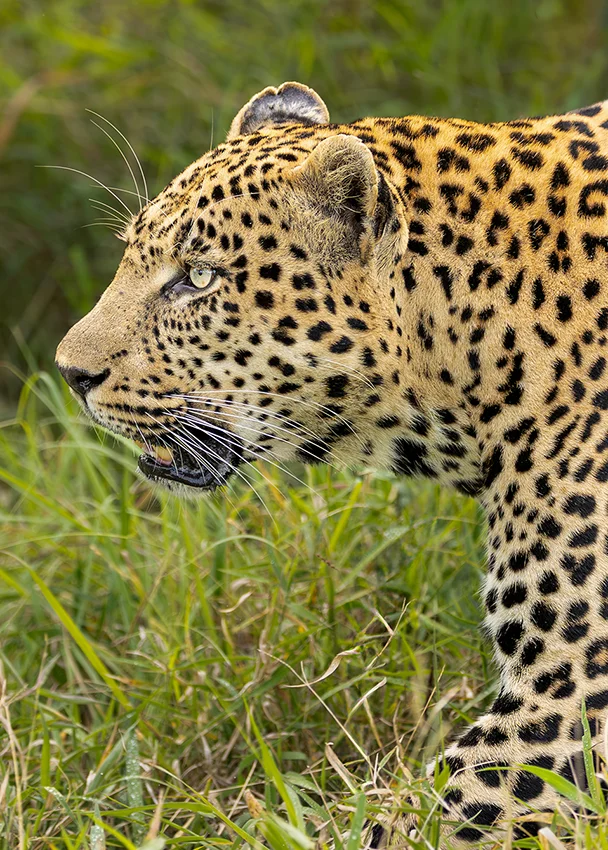
Sabi Sand is one of South Africa’s strongest wildlife photography destinations, especially for photographers who want close Big Five encounters in a private reserve setting. Leopards are the signature drawcard, but lions, elephants, rhinos, buffalo, African wild dogs, hyenas, giraffe, zebra, antelope and rich birdlife all contribute to a highly varied photographic safari experience.
What makes Sabi Sand especially valuable for photographers is the combination of subject quality and field flexibility. Wildlife is often relaxed around vehicles, sightings can be worked patiently, and experienced ranger-and-tracker teams can help position the vehicle with light, angle and behaviour in mind. This creates stronger opportunities for portraits, movement, interaction, environmental images and low-light scenes during early morning and late afternoon drives.
The landscape adds further depth to the photography. Riverbeds, drainage lines, woodland, open clearings, seasonal waterholes and classic Lowveld bushveld provide varied backgrounds for big cats, elephants, rhinos, birds and wider safari scenes. A well-planned Sabi Sand photo safari gives you time to build a portfolio that feels more complete than a collection of close sightings alone.


This mix of relaxed wildlife, strong guiding, private reserve access and classic Lowveld habitat gives Sabi Sand its photographic strength. With the right lodge, vehicle setup and time in the field, photographers can work with behaviour, backgrounds, light and composition rather than rushing from sighting to sighting.
PHOTOGRAPHY IN THE FIELD
Private Vehicle and Off-Road Photography in Sabi Sand

One of the main reasons Sabi Sand works so well for wildlife photographers is the combination of private reserve access, experienced guiding and the ability to work sightings with more patience. In the right conditions, guides can track carefully off-road, position the vehicle for better angles and give photographers more time to respond to light, behaviour and background.
This matters most with big cats. A leopard moving through riverine cover, a lion pride resting in soft morning light or wild dogs travelling across open ground can change quickly. With a photographic approach, the aim is not simply to see the animal, but to give you the best possible chance of creating stronger images through position, timing and field awareness.
Where possible, we arrange Sabi Sand photo safaris with private vehicle options, strong ranger-and-tracker teams and lodge choices that suit photographers. This gives you more space for camera gear, more control over your pace and a better chance of staying with sightings that are working photographically.
Best Time for a Sabi Sand Photo Safari
Sabi Sand is a strong year-round photographic safari destination, with reliable wildlife viewing, excellent guiding and close Big Five encounters across all seasons. The best time for a Sabi Sand photo safari depends on the style of photography you want, from crisp dry-season visibility and predator tracking to green-season colour, dramatic skies, birdlife and softer Lowveld landscapes.
For classic wildlife photography, the dry season from May to October is usually the strongest period. Thinner vegetation and reduced surface water can make animals easier to find and photograph, especially around waterholes, riverbeds and well-used movement corridors. The green season from November to March offers a different visual mood, with lush backgrounds, young animals, summer birdlife and more dramatic skies.
Green Season
November to March
The green season brings lush Lowveld colour, dramatic skies, summer birdlife and softer backgrounds for wildlife photography. Sightings can still be excellent, although thicker vegetation may sometimes make animals harder to see and photograph cleanly.
- Lush green backgrounds and dramatic summer skies
- Strong bird photography and seasonal migrants
- Good period for young animals and softer landscapes
- Thicker vegetation can make some sightings more challenging
- Warm summer conditions with afternoon storms possible (20–34°C / 68–93°F)
Best for
Bird photography, dramatic skies, lush scenery and photographers who enjoy colour, atmosphere and quieter safari conditions
Autumn Transition
April to May
April and May can be excellent months for Sabi Sand photo safaris, with the landscape still carrying some green-season colour while visibility begins to improve. Temperatures are generally comfortable, and the light can be beautiful during early morning and late afternoon drives.
- Softer post-summer colour with improving visibility
- Comfortable temperatures for morning and afternoon drives
- Strong period for leopard, lion and elephant photography
- Good balance between scenery and wildlife concentration
- Pleasant dry conditions as the season begins to shift
- Cool dry weather (10–26°C / 50–79°F)
Best for
Balanced safari conditions, comfortable temperatures, soft light and photographers wanting scenery without peak dry-season intensity
Peak Wildlife Season
June to August
June to August is one of the strongest periods for classic Sabi Sand wildlife photography. Cooler mornings, thinner vegetation and clearer visibility can create excellent conditions for Big Five sightings, leopard photography, predator movement and clean wildlife portraits.
- Thinner vegetation and clearer lines of sight
- Excellent leopard, lion and Big Five photography
potential - Cooler mornings with crisp dry-season light
- Stronger visibility around riverbeds and open areas
- Cool dry conditions, especially early and late in the day
- Warm dry conditions (18–33°C / 64–91°F)
Best for
Leopard photography, Big Five encounters, clear visibility and classic dry-season wildlife images
Late Dry Season
September to October
September and October can be intense but highly productive for wildlife photography. As the landscape becomes drier, wildlife movement around water and shaded areas can become more concentrated, creating powerful photographic opportunities in dust, heat, golden light and classic Lowveld atmosphere.
- Strong wildlife concentration around water and shade
- Excellent predator and scavenger activity potential
- Dust, warm light and dramatic late dry-season atmosphere
- Productive period for elephants, big cats and buffalo
- Hot daytime conditions, especially in October (approx. 30–40°C / 86–104°F)
Best for
Experienced safari travellers, concentrated wildlife, dramatic dry-season atmosphere and powerful late-season photo opportunities
PHOTO SAFARI EXPERIENCES
Photography-Led Safari Experiences in Sabi Sand
A Sabi Sand photo safari can be shaped around the kind of wildlife photography experience you want most, from close leopard encounters and Big Five portraits to predator behaviour, birdlife, elephant movement and classic Lowveld scenes in golden light. The reserve’s private guiding model gives photographers a strong foundation: experienced rangers, skilled trackers, off-road access where conditions allow, and a safari rhythm that can be planned around time in the field.
The lodge experience still matters, especially on a private or tailor-made safari, but the real value comes from how each day is structured. Early morning drives, late afternoon light, patient time at sightings, private vehicle options and careful lodge selection all help create a stronger photographic experience than a standard luxury safari with a camera added on.
What you can expect:
Whether your priority is leopard photography, Big Five encounters, private guiding or a slower photographic pace, Sabi Sand gives you the raw ingredients for a highly rewarding South Africa photo safari. We shape the itinerary around the practical details that matter: where you stay, how you move, who guides you and how much time you have to work each sighting properly.
“I’ve been on several safaris across Africa, but nothing compared to Sabi Sand. The leopard sightings were surreal — we were often the only vehicle there. The lodge, the guiding, the pacing… it all felt completely seamless. Every moment was both thrilling and deeply personal.”
Sabi Sand Wildlife
Wildlife You Can Photograph on a Sabi Sand Photo Safari
Sabi Sand is one of South Africa’s strongest private reserve destinations for wildlife photography, with regular opportunities to photograph the Big Five, African wild dogs, hyenas, giraffe, zebra, antelope, birdlife and smaller Lowveld subjects. The reserve is especially known for leopard photography, but the real value comes from the variety of animals, habitats and behaviours available across a well-planned photo safari.
From riverbeds and drainage lines to woodland, open clearings and seasonal waterholes, Sabi Sand gives photographers a wide range of settings within one destination. This makes it ideal for building a portfolio that includes big cats, close portraits, movement, interaction, environmental wildlife images and classic South Africa photo safari scenes.

Signature Big Cat Photography
Leopards
Leopards are the signature photographic drawcard of Sabi Sand. The reserve is known for relaxed sightings, giving photographers strong opportunities for portraits, movement, tree scenes, cub behaviour, low-light images and natural moments in classic Lowveld habitat.
PREDATOR PHOTOGRAPHY
Lions, Leopards and Wild Dogs
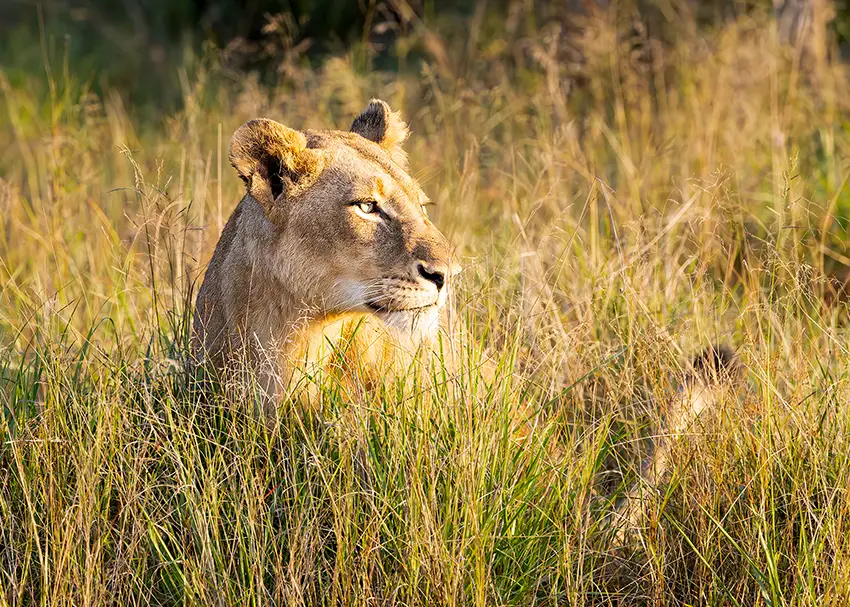
Lion prides move through Sabi Sand’s woodland, riverbeds and open clearings, creating opportunities for portraits, interaction, cubs, territorial behaviour and golden-light scenes. Sightings can often be worked patiently when vehicle positioning and light allow.
Pack Predator Photography
African Wild Dogs
African wild dogs are one of Sabi Sand’s most exciting photographic subjects when they are present and active. Their movement, interaction and hunting behaviour create fast, challenging and highly rewarding opportunities for photographers.
Big Five Photography
Elephants and Rhinos
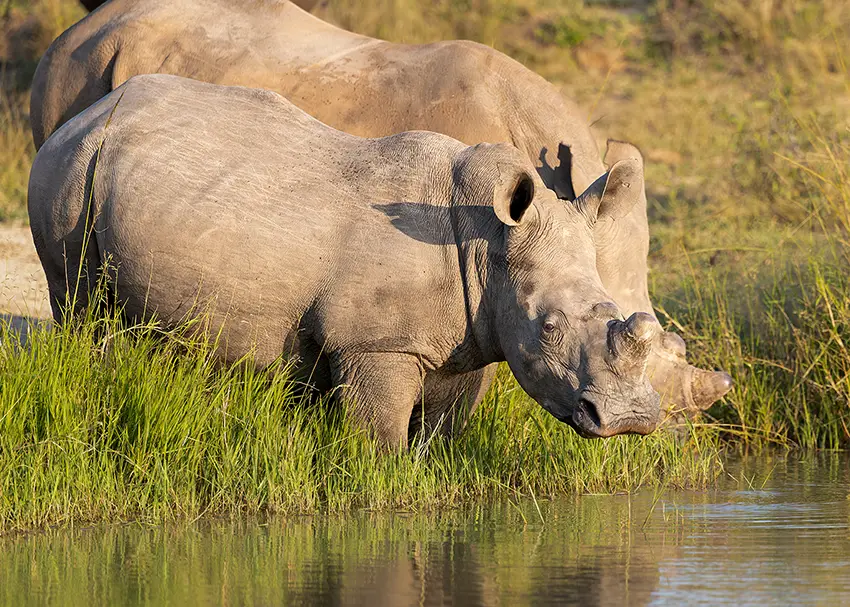
Elephants and rhinos give Sabi Sand photographers excellent opportunities for close portraits, family behaviour, dust, texture, scale and wider environmental images. Both species can add strength and variety to a Big Five photographic safari portfolio.
Lowveld Wildlife Photography
Antelope, Buffalo and Giraffe
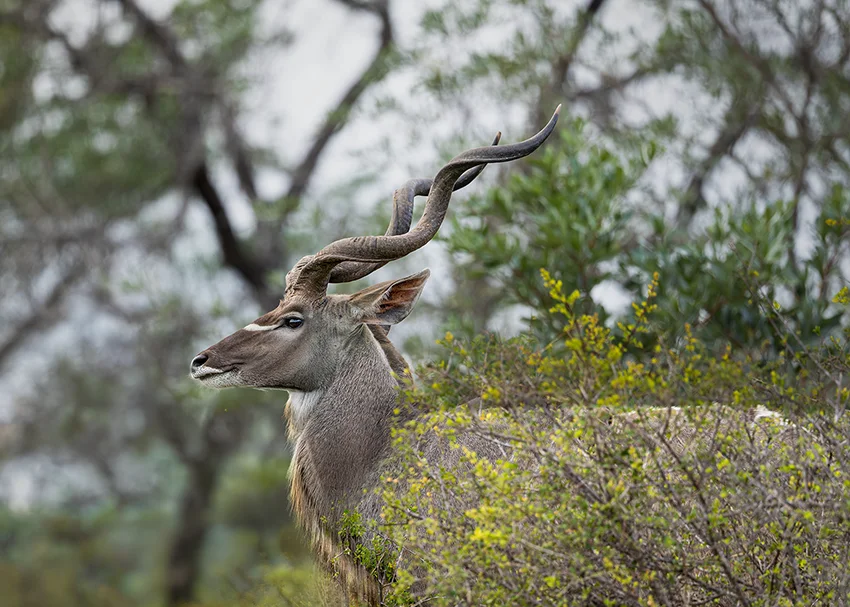
Beyond the predators, Sabi Sand offers strong photographic variety through buffalo, giraffe, zebra, kudu, impala, waterbuck, warthog and other Lowveld species. These subjects are valuable for behaviour, environmental images and quieter moments between big cat sightings.
Birdlife and Smaller Subject Photography
Bird Photography and Lowveld Detail
Sabi Sand also rewards photographers who look beyond the Big Five. Raptors, rollers, hornbills, bee-eaters, kingfishers, owls and smaller Lowveld details can add colour, movement and variety to a photographic safari, especially during the green season.
Sabi Sand works best when photographers give themselves enough time to move beyond a checklist. A carefully planned photo safari allows space for repeat sightings, changing light, different backgrounds and the smaller details that often make a wildlife portfolio feel complete.
Sabi Sand and Greater Kruger Lodges for Photographic Safaris
Sabi Sand is home to some of South Africa’s most respected private safari lodges, with locations spread across river systems, woodland, open clearings and productive wildlife areas within the Greater Kruger ecosystem. For photographers, the right lodge choice can make a major difference to your daily sightings, guiding team, vehicle setup, access to key territories and the amount of time you can spend working with wildlife in good light.
We select Sabi Sand lodges based on more than comfort alone. Location, guiding quality, tracker experience, photographic flexibility, vehicle policy, camp atmosphere and seasonal wildlife movement all matter. Depending on your travel style, budget and photographic goals, we can recommend refined luxury lodges, owner-run camps, private villas, exclusive-use options or lodges that are particularly strong for leopard, Big Five and private vehicle photography.
Dulini Moya
Dulini Moya suits photographers looking for an intimate Sabi Sand lodge experience, elegant comfort and strong access to leopard, lion and elephant sightings.

Dulini River
Dulini River offers a stylish riverine Sabi Sand base, with strong guiding, intimate lodge atmosphere and excellent potential for leopard and Big Five photography.

Ulusaba
Ulusaba offers a distinctive Sabi Sand safari setting with strong Big Five viewing, experienced guiding and lodge options suited to private photographic safaris.

Londolozi
Londolozi is one of Sabi Sand’s most established photographic safari lodges, known for leopard viewing, strong guiding and a deeply wildlife-focused safari experience.
Leopard Hills
Leopard Hills is a strong Sabi Sand option for photographers seeking Big Five sightings, elevated views, experienced ranger teams and productive wildlife areas.

Singita Ebony Lodge
Singita Ebony offers a refined Sand River safari base with excellent access to Sabi Sand wildlife, strong guiding and superb potential for leopard and Big Five photography.
FLEXIBLE SAFARI OPTIONS
Flexible Sabi Sand Photo Safari Options
The lodges listed above are some of the Sabi Sand properties we may recommend for a photographic safari, but they are not the only options available. Depending on your season, budget, travel style and photographic goals, we can recommend a wider range of Sabi Sand lodges and private safari arrangements, from intimate camps and riverfront lodges to more premium properties with excellent guiding and strong wildlife access.
This flexibility allows us to design Sabi Sand photo safaris around the experience you actually want, rather than forcing every traveller into the same lodge or itinerary. Some photographers may prefer a focused leopard and Big Five safari based in one strong area, while others may benefit from combining Sabi Sand with Kruger, Cape Town, Victoria Falls, Botswana or another Southern Africa photo safari destination.
Getting there
How to Get to Sabi Sand for a Photo Safari
Sabi Sand is one of South Africa’s most accessible private reserve destinations, with good flight and transfer options from Johannesburg, Cape Town and the Greater Kruger region. Most Sabi Sand photo safaris route through Skukuza, Hoedspruit or a nearby private airstrip, depending on the lodge, flight availability and the wider itinerary.
For photographers, the routing matters because arrival times can affect your first afternoon drive, luggage planning and camera gear logistics. We help choose the most practical route based on where you are coming from, which lodge you are staying at, whether you need a private vehicle, and whether Sabi Sand forms part of a wider South Africa or Southern Africa photo safari.
Scheduled Flights to Skukuza or Hoedspruit
Many Sabi Sand itineraries use scheduled flights into Skukuza or Hoedspruit, followed by a road transfer to your lodge. This is often the most practical routing for travellers connecting from Johannesburg or Cape Town.
Best for:
Travellers wanting a smooth, reliable route into Sabi Sand with simple lodge transfer logistics
Private Airstrip and Charter Options
Some Sabi Sand lodges can be accessed through private airstrips or charter flight arrangements, reducing road transfer time and creating a more direct arrival into the reserve where available.
Best for:
Private photo safari guests, premium itineraries and travellers wanting the most direct access possible
Road Transfers and Kruger Connections
Sabi Sand can also be reached by road from nearby Kruger and Greater Kruger areas, making it useful for travellers combining private reserve photography with other South Africa safari regions.
Best for:
Travellers combining Sabi Sand with Kruger, nearby private reserves or a longer South Africa photo safari
Typical Travel Times
We coordinate flights, lodge transfers, luggage guidance and arrival timing as part of your Sabi Sand photo safari itinerary. Where camera gear, private vehicles, charter flights or multi-destination routing are involved, we plan the logistics carefully so the travel supports the photographic experience rather than complicating it.
“The Sabi Sand experience was exceptional for photography. We had close leopard sightings, patient guiding and enough time to work properly with light, angle and behaviour. It felt personal, flexible and completely focused on the kind of images we wanted to create.”
PHOTOGRAPHY PREPARATION
Camera Gear for a Sabi Sand Photo Safari
A Sabi Sand photo safari gives photographers excellent opportunities to work with close wildlife, big cats, Big Five subjects, birdlife, low-light conditions and classic Lowveld landscapes. The right camera gear helps you respond quickly to changing distance, movement, behaviour and light, especially when sightings unfold quickly or when a vehicle is positioned for a particular angle.
Most photographers will benefit from carrying a long telephoto lens for wildlife, a flexible mid-range zoom for close sightings and environmental images, a wider lens for landscapes and lodge scenes, and enough batteries, memory cards and cleaning gear for long days in the field. Sabi Sand sightings can be surprisingly close, so flexibility matters as much as reach.
We help guests think through camera gear, luggage limits and vehicle setup as part of the planning process, especially when private vehicles, light aircraft transfers or multi-destination South Africa photo safari itineraries are involved.
Photography Tip
For Sabi Sand, do not rely only on maximum reach. Leopards, elephants, lions and wild dogs can often be close, so a flexible 70–200mm, 100–400mm or similar lens can be just as useful as a long prime. Keep your camera ready between sightings, as some of the strongest images happen during quiet movements, road crossings and unexpected behaviour.

TAILOR-MADE PHOTO SAFARIS
Plan Your Bespoke Sabi Sand Photo Safari
Every photographer experiences Sabi Sand differently, which is why we design bespoke Sabi Sand photo safaris around your interests, travel style, photography goals and preferred level of comfort. Whether you want a private leopard-focused safari, a Big Five photographic safari, a luxury lodge stay with private vehicle support or a wider South Africa itinerary, we can shape the journey around what matters most to you.
From choosing the right lodge and flight routing to arranging private vehicles, balancing game drives with time in camp and planning around seasonal wildlife movement, our team can help build a Sabi Sand photo safari that feels seamless, personal and genuinely rewarding from start to finish.
Sabi Sand Photo Safari FAQs
Everything You Need to Know About Planning a Sabi Sand Photo Safari

“
GUEST EXPERIENCE
A Sabi Sand Photo Safari in Their Words
“Sabi Sand gave us the kind of photographic safari we were hoping for: close wildlife, patient guiding and enough time to work properly with each sighting. The leopard encounters were exceptional, but what stood out most was the way each drive was handled. We were able to think about light, angle, background and behaviour rather than simply rushing from one sighting to the next.”
Duncan
Scotland
Plan Your Sabi Sand Photo Safari
Sabi Sand is one of South Africa’s strongest private reserve destinations for photographers, combining close Big Five encounters, exceptional leopard photography, expert guiding and flexible private-reserve access. Whether you are planning a dedicated Sabi Sand photo safari or adding the reserve to a wider South Africa itinerary, we can help shape the journey around your photographic goals, preferred lodge style and ideal pace in the field.
Tell us what you want to photograph, how you like to travel and whether you would prefer a private vehicle, hosted photo safari support or a fully tailor-made itinerary. From lodge selection and flight routing to camera gear considerations and safari timing, we will help you design a Sabi Sand photo safari that feels practical, personal and genuinely rewarding.