
Great Migration photo safaris
Wildebeest Migration Photography in Kenya and Tanzania
Photograph wildebeest herds, zebra columns, Mara River crossings, predator action and vast East African plains on a Great Migration photo safari designed around timing, guiding, vehicle positioning, light and time in the field.
Great Migration Photo Safaris Designed Around Wildlife, Light and Timing
The Great Migration is one of Africa’s most powerful wildlife photography experiences, but photographing it well takes more than simply being in East Africa at the right time of year. The migration moves through the Serengeti-Mara ecosystem across Tanzania and Kenya, shaped by rain, grazing, river systems and instinct. A successful Great Migration photo safari depends on choosing the right region, season, camp and guiding setup for the images you want to create.
A well-planned Great Migration photo safari can include Mara River crossings, vast wildebeest and zebra herds, predator interaction, big cat photography, dust, movement, scale, tension and soft East African light. Beyond the crossings, the migration offers exceptional opportunities for storytelling images: columns of animals moving across open plains, calves in the southern Serengeti, lions following the herds, cheetahs hunting on short grass and vultures circling above fresh kills.
At Photo Safari Company, we design Great Migration photo safaris around the details that matter to photographers: when to travel, whether Kenya or Tanzania is the better fit, how long to stay in key areas, which camps give the best access, whether to use private vehicles, and how to build enough flexibility into the itinerary to wait, watch and work properly with wildlife behaviour.
Great Migration At A Glance
Key Facts for a Great Migration Photo Safari
The Great Migration is a year-round movement of wildebeest, zebra and gazelle through the Serengeti-Mara ecosystem, crossing between Tanzania and Kenya as the herds follow rain, grazing and seasonal water. For photographers, its strength lies in scale, movement, predator interaction, river crossings, dust, tension and the changing light of the East African plains.
A Great Migration photo safari can be especially rewarding for Mara River crossings, wide herd scenes, predator-prey behaviour, wildebeest calves, cheetah hunts, lion activity, crocodile encounters and dramatic open-country landscapes. With the right timing, guiding, vehicle setup and camp location, photographers can work with both the spectacle of the migration and the smaller moments of behaviour that make the story complete.
July – October
River Crossing Season
Why the Great Migration Works So Well for Photographers
Movement, Scale and Drama
The Great Migration gives photographers rare opportunities to capture movement, scale, dust, tension and vast herds moving through open East African landscapes.
River Crossing Photography
Mara River crossings can create powerful images of wildebeest, zebra, crocodiles, chaos, hesitation, energy and dramatic migration behaviour.
Predator and Prey Behaviour
Lions, cheetahs, leopards, hyenas and crocodiles follow the migration, creating strong opportunities for behaviour, interaction and storytelling images.
Classic East African Light
Open plains, river systems, dust, storm skies and golden light create beautiful backgrounds for migration herds, predators and wider wildlife scenes.
Vehicle Setup Matters
Private or photography-friendly vehicles help photographers manage gear, work better angles and stay longer when sightings are developing well.
Timing and Patience
The best migration photography often comes from waiting well, reading herd movement and staying patient when crossings or predator action unfold slowly.
Where to Photograph the Great Migration
A Great Migration photo safari is rarely about simply choosing “Kenya” or “Tanzania.” The migration moves through a vast seasonal system, and each region offers a different photographic experience. Some areas are best for river crossings, others for open plains, predator activity, calving season, quieter movement or wider East Africa safari combinations.
For photographers, the right choice depends on what you want to capture. The Masai Mara and northern Serengeti are the strongest areas for river crossing photography, while the southern Serengeti and Ndutu are exceptional for calving season, predator interaction and green-season light. Central Serengeti, the western corridor and wider East Africa routes can then be added depending on timing, travel style and photographic goals.

Masai Mara Photo Safaris
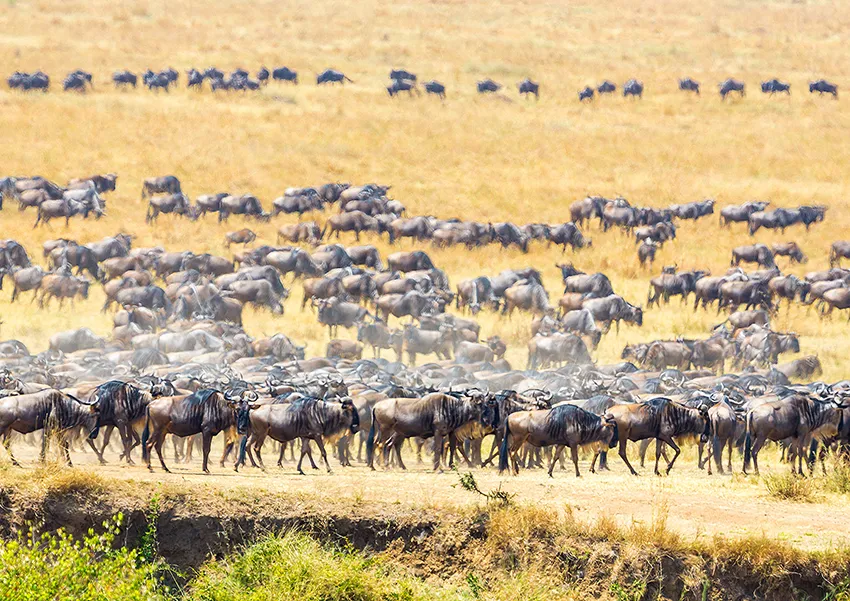
Kenya’s Masai Mara is one of the most famous Great Migration photography areas, known for dramatic river crossings, open plains, big cats and high-density wildlife sightings during peak migration months.
Northern Serengeti Photo Safaris
The northern Serengeti is one of Tanzania’s strongest migration photography regions, especially when the herds gather near the Mara River and move between riverine valleys and open plains.
Central Serengeti Photo Safaris
Central Serengeti can be excellent for big cats, resident wildlife, open plains and migration movement at certain times of year, making it a strong anchor for longer Tanzania photo safari itineraries.
Southern Serengeti & Ndutu Photo Safaris
The southern Serengeti and Ndutu region are exceptional for calving season photography, with young wildebeest, predator activity, cheetahs, lions and dramatic green-season plains.
Western Serengeti Photo Safaris
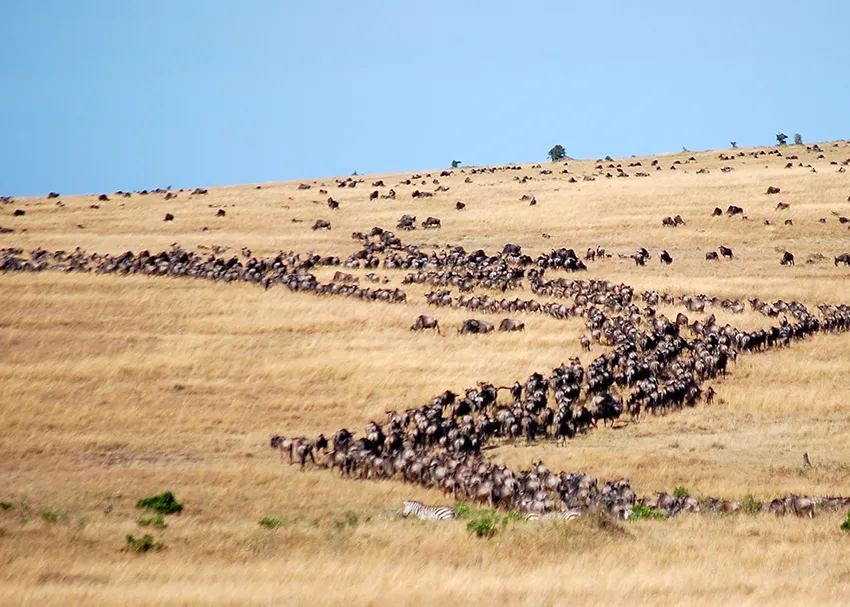
The western Serengeti can be rewarding during seasonal migration movement, with river systems, open plains, crocodile activity and a quieter photographic rhythm than peak Mara crossing areas.

East Africa Photo Safari Extensions
A Great Migration photo safari can combine with other East Africa highlights, including Amboseli, Ngorongoro Crater, Tarangire, Laikipia, Zanzibar or a broader Kenya and Tanzania itinerary.
African Photo Safari Destinations
The Great Migration can also be part of a wider African photo safari plan, connecting East Africa with other specialist photographic safari regions across Southern and East Africa.
Why Photographers Choose a Great Migration Photo Safari
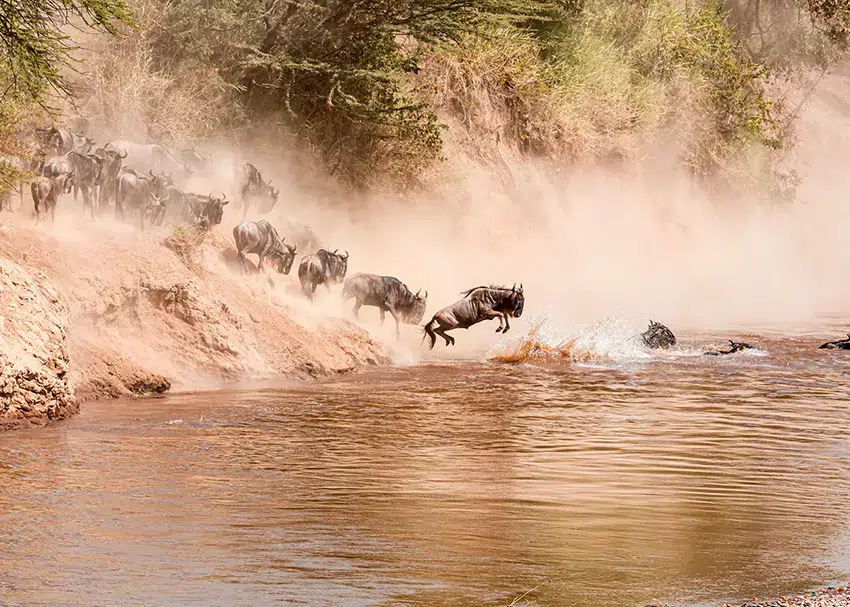
The Great Migration is one of Africa’s most compelling wildlife photography experiences because it combines scale, movement, behaviour and landscape in a way few safari destinations can match. For photographers, it is not only about photographing river crossings, but about telling the wider story of wildebeest, zebra, predators, weather, dust, light and movement across East Africa.
From the short-grass plains of Ndutu to the river systems of the northern Serengeti and Masai Mara, the migration creates constantly changing photographic opportunities. One day may be about vast herds moving through open country, while another may focus on lions following the herds, cheetahs hunting, crocodiles waiting at river crossings or calves finding their feet in soft green-season light.
A Great Migration photo safari rewards patience and preparation. The best images often come from understanding movement, waiting in the right place, working with your guide and allowing scenes to unfold naturally rather than chasing every sighting. With the right timing, camp location and photographic setup, the migration becomes one of the most powerful wildlife stories you can photograph in Africa.
Herd Movement and Scale
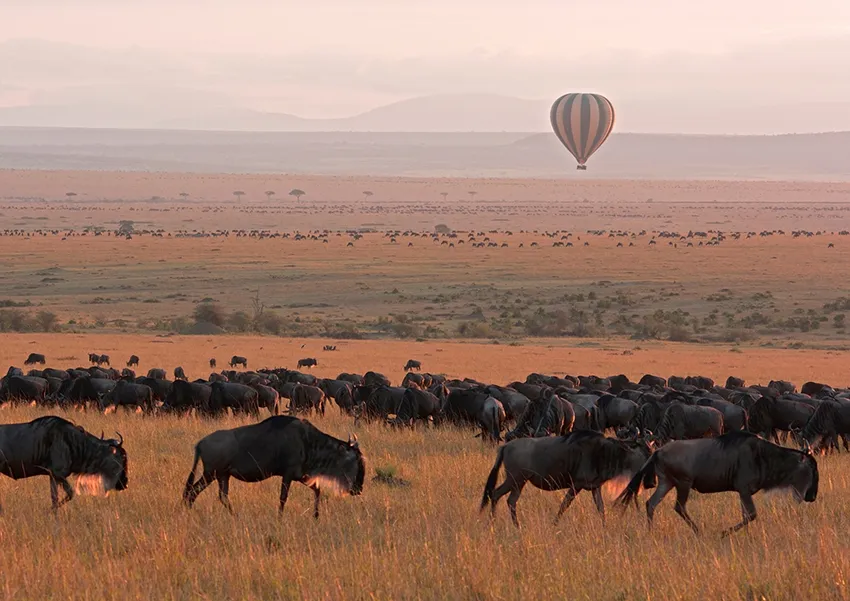
The migration creates rare opportunities to photograph mass movement, dust, direction, repetition and scale as wildebeest and zebra move across open East African plains.
River Crossing Drama
Mara River crossings can deliver powerful images of hesitation, momentum, crocodiles, chaos and survival as herds gather, cross and regroup.
Predator Interaction
Lions, cheetahs, leopards, hyenas and crocodiles follow the migration, creating strong chances for behaviour, tension and predator-prey storytelling.
Open Plains and Light
The Serengeti-Mara plains offer clean backgrounds, big skies, dust, weather and golden light for dramatic migration and wildlife compositions.
Small-Group Photo Safaris
Small-group photo safaris allow more flexibility with vehicle positioning, timing and patience, helping photographers work properly with movement and behaviour.
Camps Chosen for Timing
We select migration camps around season, herd movement, guiding quality and access to the areas that best support your photographic safari goals.
Great Migration Wildlife and Photographic Landscapes
The Great Migration moves through the Serengeti-Mara ecosystem, a vast East African landscape shaped by rainfall, grazing, open plains, river systems and seasonal wildlife movement. For photographers, this creates a constantly changing canvas of herds, predators, dust, light, weather, river crossings and open-country behaviour.
The strength of a Great Migration photo safari is its variety. The Masai Mara and northern Serengeti can be exceptional for river crossing photography, predator interaction and high-density wildlife sightings. The southern Serengeti and Ndutu region offer a very different photographic experience, with calving season, short-grass plains, green-season colour, cheetahs, lions and young wildebeest. Central and western Serengeti areas can add open plains, resident big cats, seasonal herd movement and a broader Tanzania photo safari story.
A strong Great Migration photo safari is about choosing the right areas for the right time of year. Some itineraries focus tightly on Mara River crossings, while others build a more complete migration story across Kenya and Tanzania. With the right route, camp access and guiding, photographers can capture both the scale of the herds and the quieter behavioural moments that make the migration so powerful.
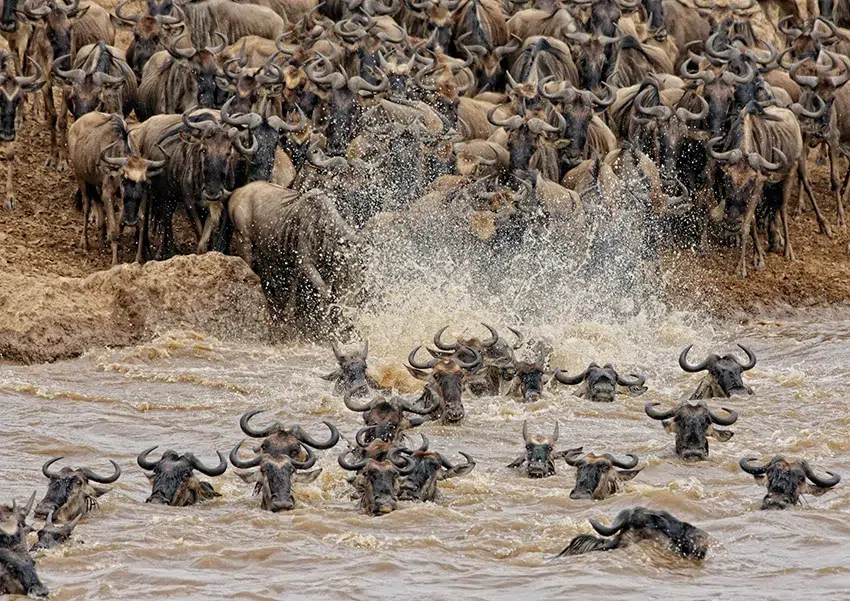
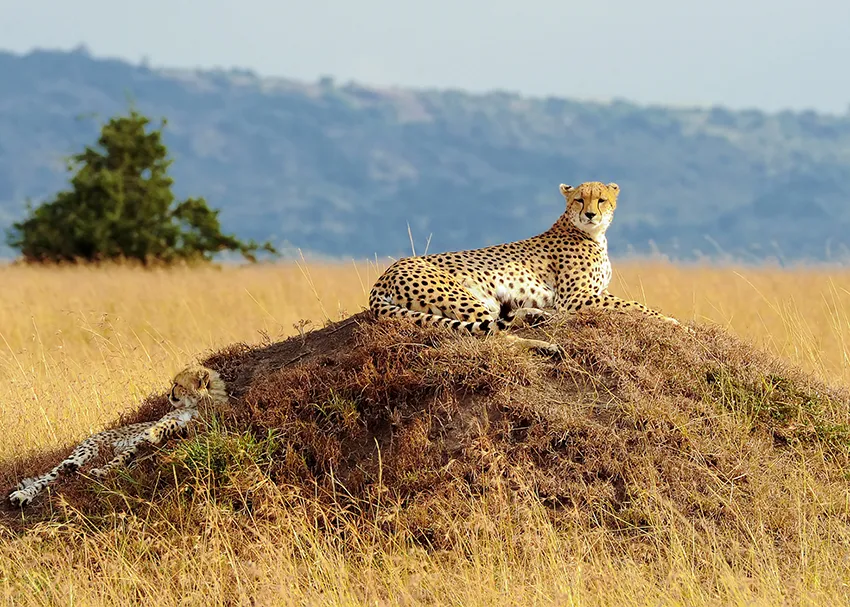
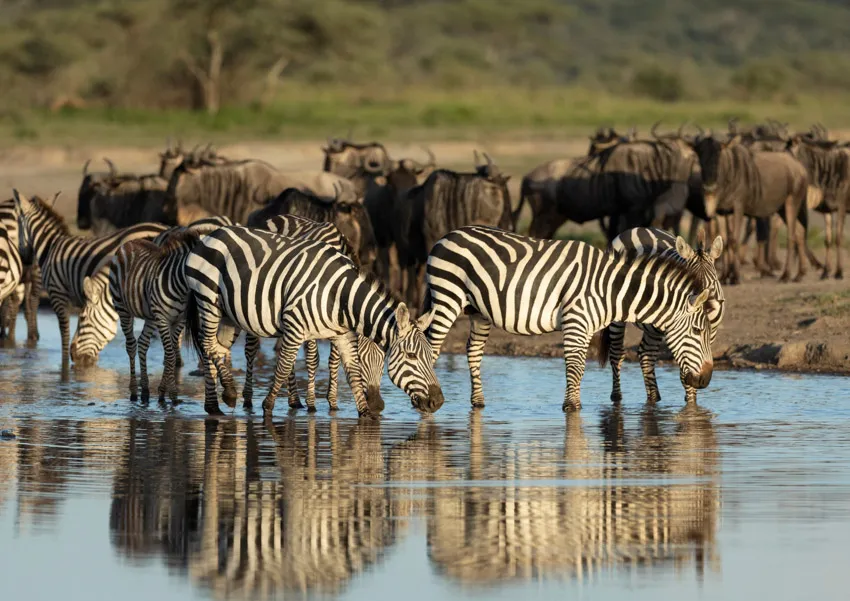
This mix of open plains, river systems, predator country and seasonal herd movement is what makes the Great Migration so valuable for an East Africa photo safari. One morning may be spent waiting for movement near the Mara River, while another may focus on cheetahs in Ndutu, lions following the herds, zebra lines across the plains or wildebeest moving through dust and golden light.
MARA RIVER CROSSINGS
Mara River Crossing Photography on a Great Migration Photo Safari
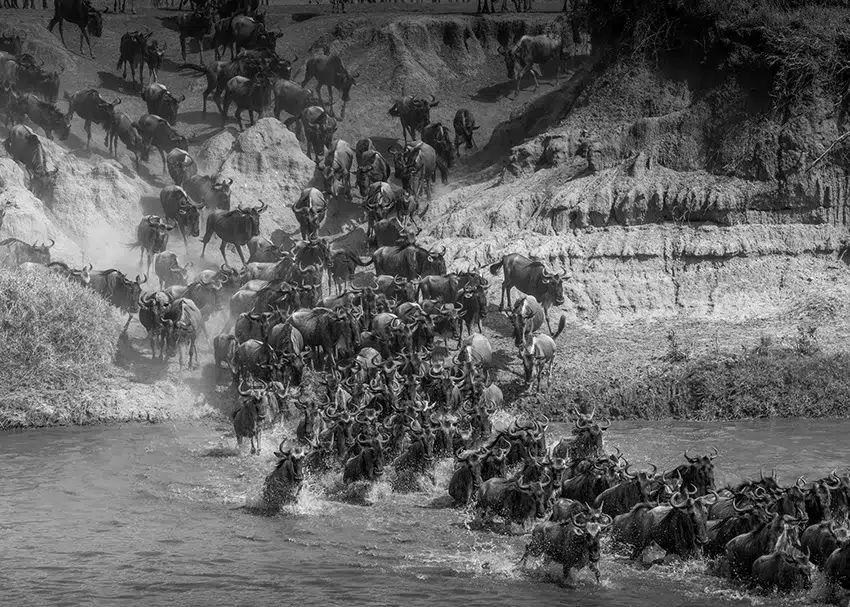
Mara River crossings are among the most dramatic moments of the Great Migration, but they are also among the least predictable. Herds may gather on the riverbank for hours, move away without crossing, cross suddenly, split into smaller groups or return to the same area later in the day. For photographers, this is where patience, positioning and experienced guiding matter.
A strong Mara River crossing photo safari is not about chasing every rumour of movement. It is about reading herd behaviour, choosing a sensible position, understanding light direction, staying ready and allowing the scene to develop. The best images may come from the crossing itself, but also from the tension before it: wildebeest gathering on steep banks, zebra hesitating at the edge, crocodiles waiting below, dust rising behind the herds and predators watching from nearby plains.
River crossing photography can be possible from both the Masai Mara in Kenya and the northern Serengeti in Tanzania, depending on timing and herd movement. We help plan Great Migration photo safaris around realistic crossing windows, strong camp locations and enough time in the area to improve your chances without pretending that any single crossing can ever be guaranteed.
Why Crossings Require Patience
Crossings can be fast, chaotic and emotionally intense, but the waiting is part of the photographic process. Long periods of stillness can suddenly become minutes of action, so vehicle position, camera readiness and guide communication are critical.
NDUTU CALVING SEASON
Ndutu Calving Season Photography in the Southern Serengeti
The southern Serengeti and Ndutu region offer a very different Great Migration photo safari experience from the river-crossing months. Instead of steep riverbanks and dramatic crossings, calving season is about open short-grass plains, green-season colour, young wildebeest, predator interaction, cheetahs, lions, hyenas and the softer atmosphere of Tanzania’s early-year safari season.
For photographers, Ndutu can be especially rewarding because the landscape is open, low and visually clean. The short grass allows strong subject separation, wide environmental images and low-angle compositions, while the concentration of young animals can create powerful behaviour and predator-prey storytelling. Cheetahs often use the open plains to hunt, lions follow the herds, hyenas patrol the edges, and the movement of wildebeest and zebra can create beautiful patterns across the landscape.
A Ndutu calving season photo safari is best planned with flexibility and realistic expectations. The herds move with rainfall and grazing, so camp choice, guiding knowledge and time in the area matter. We design Tanzania photo safaris around the strongest seasonal windows, helping photographers balance calving season, predator activity, green-season light and broader Serengeti photographic opportunities.
Why Ndutu Works So Well for Photographers
Ndutu gives photographers a different side of the Great Migration: softer light, green plains, newborn wildlife, predator behaviour and more space to create environmental images. It is less about one dramatic event and more about building a complete photographic story over several days.
Best Time for a Great Migration Photo Safari
The best time for a Great Migration photo safari depends on what you want to photograph. The migration is a year-round movement through the Serengeti-Mara ecosystem, but the photographic experience changes dramatically by season. Some months are strongest for Mara River crossings, while others are better for calving season, predator interaction, green-season colour, open plains, quieter travel or a broader Kenya and Tanzania photo safari.
For photographers, timing matters because the migration is never static. Rainfall, grazing and herd movement shape where the wildebeest and zebra are likely to be, while camp location and guiding determine how much time you can spend in the right areas. A well-planned Great Migration photo safari should match your travel dates to the strongest photographic opportunities rather than simply choosing the most famous month.
Green Season
Ndutu Calving Season
January to March
The southern Serengeti and Ndutu region can be exceptional during calving season, when large herds gather on the short-grass plains and thousands of young wildebeest are born. This is a strong period for predator interaction, cheetah photography, lions, hyenas, soft green-season colour and dramatic open-plains wildlife images.
- Excellent for wildebeest calves and young animals
- Strong predator activity, especially lions, cheetahs and hyenas
- Beautiful green-season light, colour and storm skies
- Best suited to Tanzania and Ndutu-focused itineraries
Best for
Calving season, predator behaviour and green-season Serengeti photography
Shoulder Season / Transition Period
Migration Moving North
April to June
As the rains shift and the southern plains begin to dry, the herds move north and west through the Serengeti. This can be a rewarding period for photographers who want a quieter Tanzania photo safari, broader landscapes, rutting behaviour, early movement, big cat photography and a more flexible migration experience.
- Herds begin moving north and west through the Serengeti
- Good for open-plains landscapes and seasonal movement
- Potential for rutting behaviour and predator activity
- Quieter than peak river-crossing months
Best for
Tanzania migration movement, quieter travel and broader Serengeti photography
Peak Dry Season / Early Crossing Season
Northern Serengeti Crossings
July to August
July and August can be strong months for northern Serengeti migration photography as the herds move toward the Mara River and begin crossing between Tanzania and Kenya. Crossings are never guaranteed, but this period can offer dramatic riverbank tension, crocodile encounters, open plains, predators and classic dry-season East African light.
- Strong period for northern Serengeti migration photography
- Possible Mara River crossings on the Tanzania side
- Excellent dry-season wildlife and predator opportunities
- Good for photographers wanting Tanzania before peak Mara crowds
Best for
Northern Serengeti crossings, riverbank tension and Tanzania migration photography
Peak Migration Season
Masai Mara Peak Migration
August to September
August and September are among the most popular months for Masai Mara Great Migration photo safaris. Large herds may be present in Kenya, with excellent opportunities for river crossings, big cats, open plains, dust, herd movement and high-density wildlife photography. This is also one of the busiest periods, so camp location, guiding and vehicle setup matter.
- Strong period for Masai Mara river crossing photography
- Excellent big cat and predator opportunities
- Large herds, dust, open plains and classic Mara light
- Best planned early due to demand and limited camp space
Best for
Mara River crossings, big cats, large herds, dust and classic Kenya migration photography
Late Dry Season / Shoulder Season
Late Crossings and Quieter Conditions
October
October can still offer rewarding migration photography, especially in the Masai Mara and northern Serengeti, depending on rainfall and herd movement. It is often a useful month for photographers who want late-season crossing potential, good predator activity and slightly quieter conditions than the busiest peak period.
- Late river crossing potential depending on herd movement
- Good predator photography in the Mara and northern Serengeti
- Often quieter than August and September
- Useful for flexible Kenya or Tanzania photo safari itineraries
Best for
Late-season migration photography and quieter river-crossing potential
Green Season / Transition Period
Short Rains and Southern Movement
November to December
As the short rains begin, the herds gradually move south again through the Serengeti-Mara ecosystem. This is not the classic river-crossing period, but it can offer beautiful atmosphere, fresh grass, dramatic skies, lower visitor pressure and a more creative photographic safari experience for travellers with flexible expectations.
- Herds begin moving south with the short rains
- Fresh landscapes, dramatic skies and softer light
- Lower visitor pressure than peak migration months
- Good for broader East Africa and Serengeti photo safari planning
Best for
Atmosphere, quieter travel and flexible Serengeti-Mara photography
KENYA OR TANZANIA
Kenya vs Tanzania for a Great Migration Photo Safari
A Great Migration photo safari can be planned through Kenya, Tanzania, or a combination of both. Neither option is automatically better. The right choice depends on your travel dates, the images you want to create, how much time you have, your budget, and whether you are most interested in river crossings, calving season, predator behaviour, open plains or a broader East Africa photo safari itinerary.
Kenya and Tanzania both offer exceptional migration photography, but they feel different in the field. The Masai Mara is often the strongest choice for a shorter, focused river-crossing safari, while Tanzania offers a wider seasonal story across the Serengeti, from Ndutu calving season to northern Serengeti crossings and broader plains wildlife.
Masai Mara and Mara River Crossings
Kenya Great Migration Photo Safaris
Kenya’s Masai Mara is one of the most famous Great Migration photography areas, especially during the peak migration months when large herds may be present on the Mara plains. For photographers, the appeal is the combination of river crossing potential, big cat photography, open grasslands, dramatic skies and high-density wildlife sightings within a relatively compact area.
Best For:
Mara River crossings, big cats, shorter itineraries and classic Kenya migration photography
Serengeti, Ndutu and Seasonal Herd Movement
Tanzania Great Migration Photo Safaris
Tanzania offers the widest seasonal range for a Great Migration photo safari. The Serengeti and Ndutu region can deliver calving season, green-season plains, cheetah photography, predator behaviour, central Serengeti big cats, western movement and northern Serengeti river-crossing potential, depending on when you travel.
Best For:
Ndutu calving season, Serengeti plains, predator behaviour and longer Tanzania photo safari itineraries
A Broader East Africa Photo Safari
Kenya and Tanzania Combination Safaris
For photographers with more time, a Kenya and Tanzania migration itinerary can create a fuller East Africa photo safari experience. Depending on the season, this may combine the Masai Mara with Serengeti regions, or pair the migration with other photographic highlights such as Amboseli, Ngorongoro Crater, Tarangire or private conservancy areas.
Best For:
Longer itineraries, broader East Africa photography and multi-region migration planning
PHOTOGRAPHY-FIRST SAFARI DESIGN
Why Patience Matters on a Great Migration Photo Safari
“The migration was extraordinary, but what made the safari work photographically was the patience. We were not rushed from one sighting to the next. We had time to wait, watch the herds, adjust for light and stay with behaviour as it unfolded. That made a huge difference to the images we came home with.”
PHOTO SAFARI EXPERIENCES
Photo Safari Experiences in the Great Migration
A Great Migration photo safari is built around time in the field, thoughtful guiding and the ability to respond to wildlife movement as it unfolds. The experience is not only about seeing the migration, but about being in the right place, with the right vehicle setup and enough patience to photograph the story properly.
Depending on the season and route, your safari may focus on Mara River crossings, herds moving across the Serengeti plains, wildebeest calves in Ndutu, predator interaction, big cats, crocodiles, dust, weather, golden light and wide East African landscapes. Each day has a different rhythm, shaped by herd movement, light, guiding decisions and what the wildlife is doing.
We design Great Migration photo safaris around photographic priorities rather than standard sightseeing. That means choosing camps for access, building in enough time in key areas, arranging private or photography-friendly vehicles where possible, and helping you match the season to the images you most want to create.
What You Can Expect on a Great Migration Photo Safari:
Because on a Great Migration photo safari, the difference is not only what you see. It is how much time, space and guidance you have to photograph it properly.
GREAT MIGRATION WILDLIFE
Wildlife You Can Photograph on a Great Migration Photo Safari
The Great Migration is most famous for wildebeest and zebra, but the photographic story is much broader than the herds alone. Across the Serengeti-Mara ecosystem, photographers may encounter lions, cheetahs, leopards, hyenas, crocodiles, elephants, giraffes, plains game, raptors and a wide variety of birdlife.
The strongest Great Migration photo safaris are built around this wider wildlife context. River crossings, calving season and large herd movement may be the headline moments, but predator behaviour, scavengers, dust, light, landscape and smaller interactions often create the most memorable images.
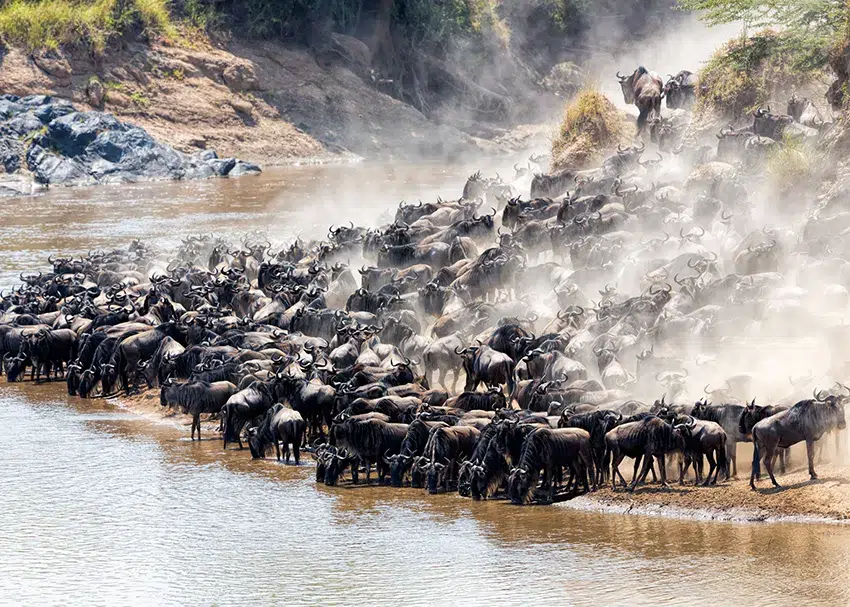
The Migration Herds Photography
Wildebeest Herds
Wildebeest are the heart of the Great Migration, creating powerful opportunities for scale, movement, dust, river crossings, calving season and dramatic open-plains photography.
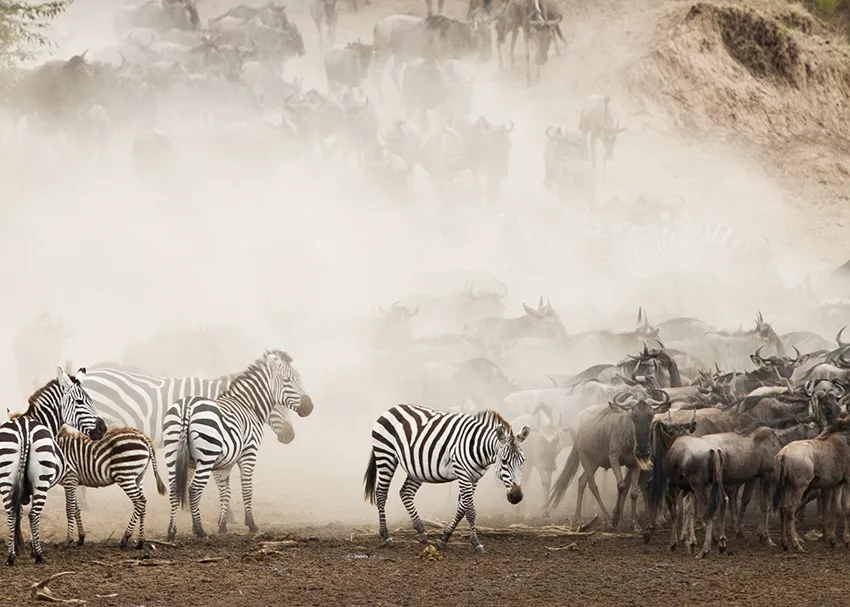
Pattern, Contrast & Movement Photography
Zebra and Plains Game
Boat safaris on the Chobe River can create excellent opportunities for hippos, crocodiles and riverbank wildlife. These subjects work especially well with low angles, reflections, open mouths, territorial behaviour and warm river light.
PREDATOR PHOTOGRAPHY
Lions and Predators
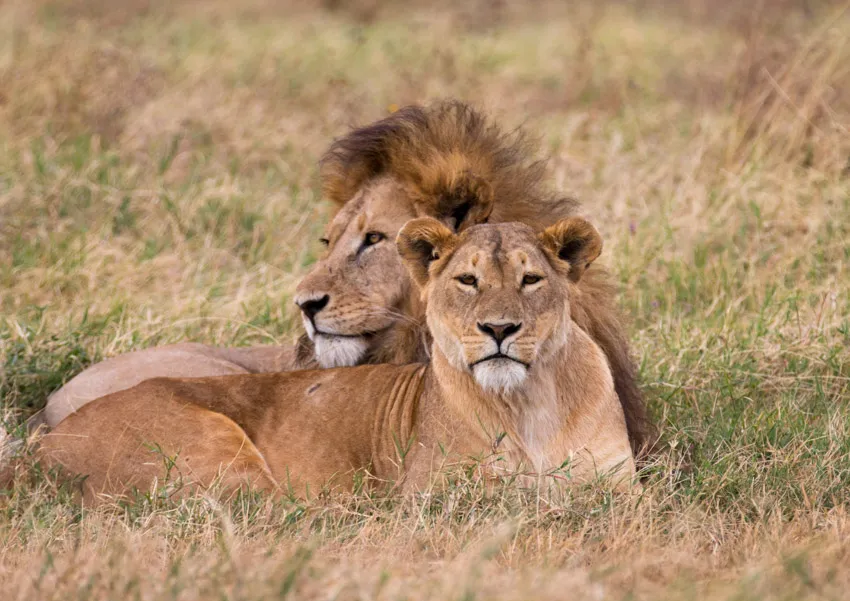
Lions follow the migration across key areas of the Serengeti and Masai Mara, creating opportunities for predator behaviour, family groups, hunting scenes and powerful environmental portraits.

Open Plains Specialists
Cheetahs
Cheetahs are especially rewarding on open plains, where clean backgrounds, low grass and herd movement can create excellent opportunities for hunting behaviour and elegant predator portraits.

River Crossing Drama
Crocodiles
During Mara River crossing season, crocodiles can become part of the migration story, adding tension, drama and powerful behaviour to river-based photographic opportunities.
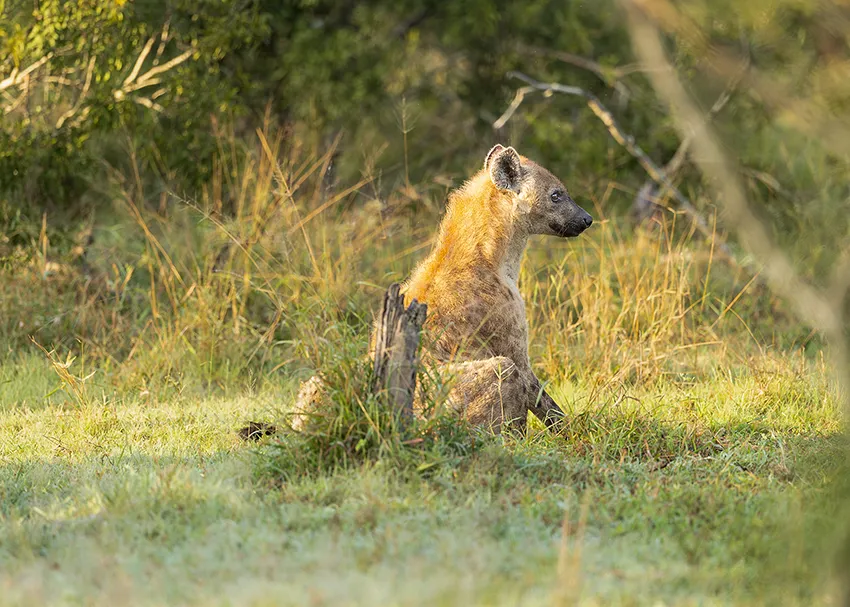
Scavengers & Storytelling
Hyenas, Vultures and Scavengers
Hyenas, vultures, jackals and other scavengers play an important role in the migration ecosystem, creating strong behaviour, interaction and storytelling images around predator activity.
The Great Migration also combines well with wider East Africa photo safari itineraries, including the Masai Mara, Serengeti, Ndutu, Ngorongoro Crater, Tarangire, Amboseli and, for travellers wanting a softer finish after time in the field, a Zanzibar extension. This gives photographers a broader Kenya and Tanzania safari experience, combining migration herds, predator behaviour, river crossings, calving season, open plains, crater landscapes, elephants, birdlife and time to slow down after an intensive wildlife photography safari.
Great Migration Photo Safari Itinerary Ideas
The best Great Migration photo safari itinerary depends on when you want to travel, what you want to photograph and how focused or varied you want the safari to feel. Some photographers want to spend most of their time in one key migration area, waiting patiently for river crossings or predator behaviour. Others prefer a broader East Africa photo safari that combines the migration with other strong photographic regions.
These itinerary ideas are not fixed packages. They are starting points for designing a Great Migration photo safari around your season, budget, preferred pace, vehicle setup and photographic goals.
Masai Mara River Crossing Photo Safari
A focused Kenya photo safari built around the Masai Mara during peak migration season. This itinerary is best suited to photographers who want strong river crossing potential, big cats, open plains, dust, movement and classic Great Migration photography in a compact route.
Best for: Mara River crossings, lions, cheetahs, wildebeest herds and shorter migration-focused itineraries
Northern Serengeti Migration Photo Safari
A Tanzania photo safari focused on the northern Serengeti during the river-crossing season. This route can offer Mara River crossing potential on the Tanzania side, excellent predator opportunities, open plains, river valleys and a slightly different rhythm from the Masai Mara.
Best for: Northern Serengeti crossings, Tanzania migration photography, predators and open plains
Ndutu Calving Season Photo Safari
A southern Serengeti and Ndutu-focused itinerary designed around calving season. This is ideal for photographers interested in newborn wildebeest, green-season plains, cheetah photography, predator behaviour, lions, hyenas and softer early-year East African light.
Best for: Wildebeest calves, predator interaction, cheetahs, green-season colour and Tanzania photo safaris
Kenya and Tanzania Migration Safari
A broader East Africa photo safari combining Kenya and Tanzania, depending on season and routing. This can pair the Masai Mara with Serengeti regions, or combine the migration with Amboseli, Ngorongoro Crater, Tarangire or a Zanzibar extension after time in the field.
Best for: Longer safaris, varied East Africa photography, multi-region routing and a broader migration story
Vehicle Setup and Photographic Guiding on a Great Migration Photo Safari
A Great Migration photo safari depends heavily on timing, patience and vehicle positioning. The migration is not a fixed event that happens on command. Herds move with rainfall, grazing, river conditions and instinct, so your guide’s ability to read behaviour and position the vehicle well can make a major difference to the images you create.
For photographers, the right vehicle setup is just as important as the destination. Space for camera gear, sensible seating, clear sight lines, flexible positioning and enough time at sightings all help you work properly with light, movement and behaviour. Where possible, we recommend private or photography-friendly vehicles for Great Migration photo safaris, especially during river crossing season or when travelling with serious photographers.
We design each safari around the practical details that matter in the field: which areas to stay in, how long to spend there, when to move, when to wait, how to balance crossings with predator photography, and how to avoid building an itinerary that looks good on paper but feels rushed once you are on safari.

Where to Stay on a Great Migration Photo Safari
Where you stay can make a major difference to a Great Migration photo safari. Camp location affects how quickly you can reach key wildlife areas, how much time you spend in the field, whether you are well positioned for river crossings or calving season, and how flexible each day can be around light, movement and behaviour.
The best camp choice depends on the season and the photographic goal. A Masai Mara camp may be ideal for classic river crossing photography, while a northern Serengeti camp can work well for Tanzania-side crossings and quieter movement. Ndutu and southern Serengeti camps are better suited to calving season, predator interaction and green-season photography. For longer itineraries, camps can be combined across Kenya and Tanzania to create a broader East Africa photo safari experience.
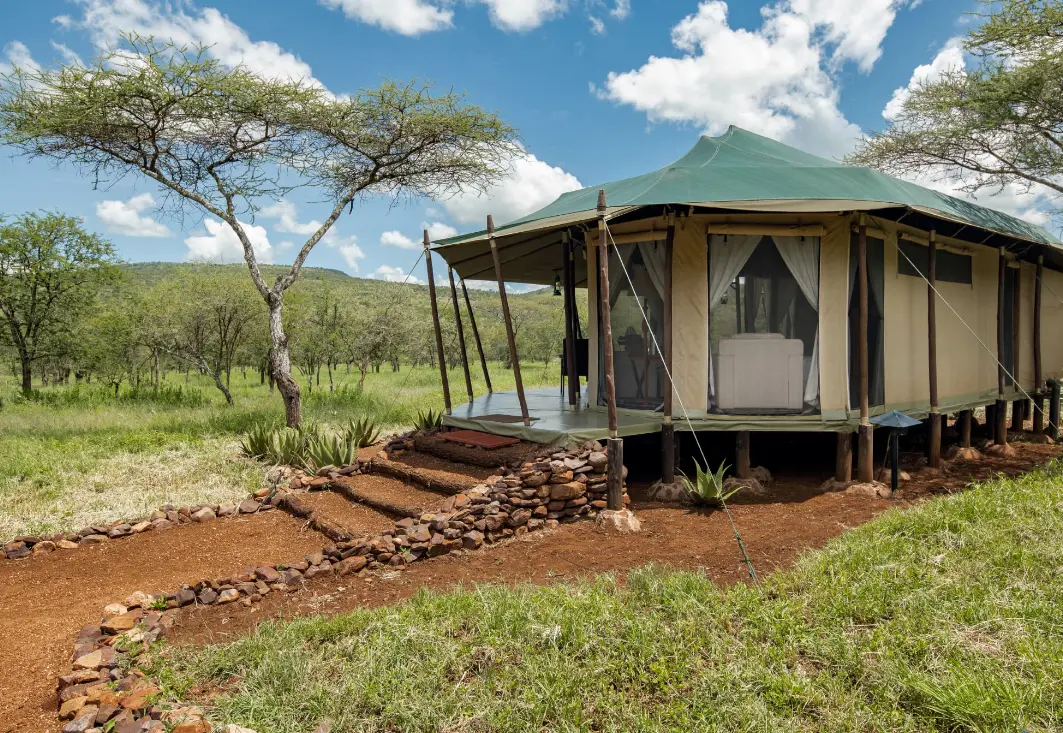
Kenya Migration Camps
Masai Mara Camps
Masai Mara camps suit photographers focused on river crossings, big cats, open plains and classic Kenya migration images. The right location helps reduce transfer time and keeps you closer to wildlife when light and herd movement are strongest.
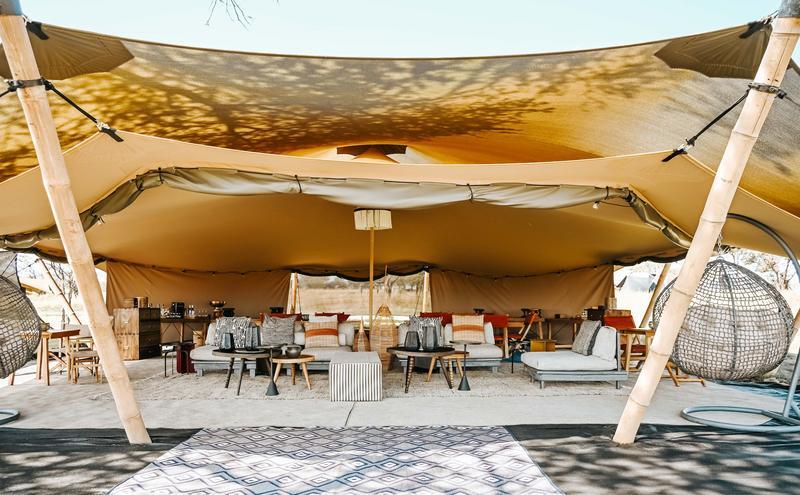
Tanzania River Crossing Areas
Northern Serengeti Camps
Northern Serengeti camps suit photographers wanting Tanzania-side river crossings, open plains, river valleys and predator activity. The right location helps reduce long drives and keeps you closer to key migration areas when movement begins to build.

Calving Season Bases
Ndutu and Southern Serengeti Camps
Ndutu and southern Serengeti camps suit photographers travelling for calving season, green plains, young wildebeest, cheetahs, lions and hyenas. The right location keeps you close to the herds when predator activity and soft light are strongest.
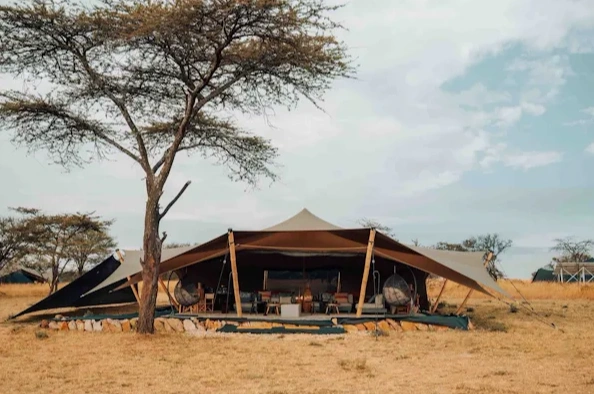
Seasonal Movement
Mobile Migration
Camps
Mobile migration camps suit photographers who want seasonal access to moving herds without losing comfort in the field. These camps shift with wildlife patterns, helping keep your safari close to stronger migration areas at the right time of year.

Private Areas & Concessions
Private Camps and Conservancies
Kenya’s Greater Mara has established private conservancies, while Tanzania offers private concession areas such as Grumeti. Both can suit photographers wanting lower vehicle density, quieter sightings and more space around predator behaviour.
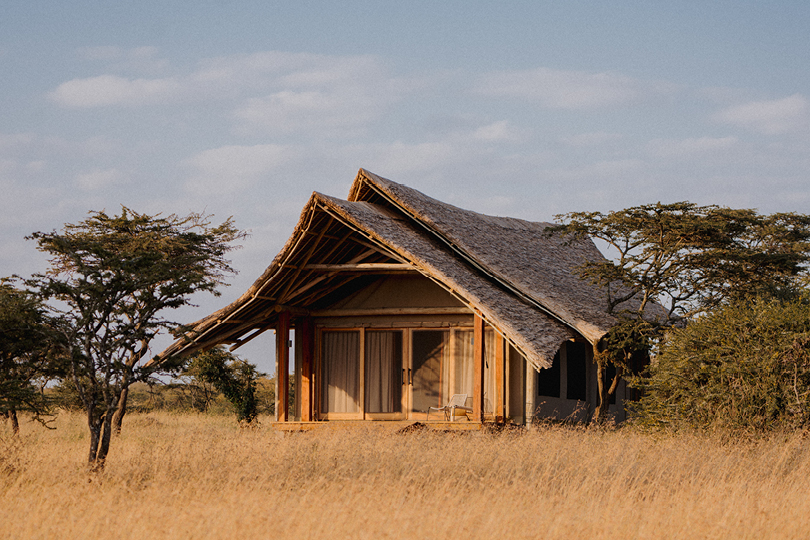
Before or After the Migration
East Africa Extensions
East Africa extensions suit photographers wanting to add Amboseli, Ngorongoro, Tarangire or Zanzibar before or after the migration. These additions can bring elephants, crater landscapes, baobabs, birdlife or a softer finish after intense field time.
FLEXIBLE SAFARI OPTIONS
The Right Great Migration Camp for Your Photo Safari
We work with a trusted network of camp, lodge and ground partners across Kenya and Tanzania, allowing us to match your Great Migration photo safari to the right season, region, budget and photographic goals. The best camp choice may change depending on herd movement, availability, time of year, vehicle setup, guiding quality and whether your safari is focused on river crossings, calving season, predator behaviour or a broader East Africa itinerary.
Rather than forcing every traveller into the same route, we recommend camps based on what will give your safari the strongest photographic value at the time you travel. This may mean a Masai Mara camp for classic river crossing photography, a northern Serengeti camp for Tanzania-side migration movement, a Ndutu camp for calving season, or a combination of locations across Kenya and Tanzania.
Getting There for a Great Migration Photo Safari
A Great Migration photo safari is easier to reach than many travellers expect, especially when the route is planned properly. Kenya and Tanzania both have established international gateways, regional flight networks and light aircraft connections into key safari areas, so the journey does not need to feel like a complicated chain of endless flights.
The right route depends on whether your safari focuses on the Masai Mara, northern Serengeti, Ndutu, the wider Serengeti or an East Africa extension such as Amboseli, Ngorongoro Crater, Tarangire or Zanzibar. We plan the travel sequence around your photographic goals, reducing wasted transfer time and keeping you positioned close to the strongest migration areas for your season.
Kenya Migration Safaris
Kenya migration photo safaris usually route through Nairobi, one of East Africa’s strongest international gateways. From Nairobi, travellers typically connect from Jomo Kenyatta International Airport to Wilson Airport for a light aircraft flight into the Masai Mara.
Best for:
Masai Mara river crossings, shorter itineraries and efficient Kenya photo safari routing
Tanzania Migration Safaris
Tanzania migration photo safaris are usually routed through Kilimanjaro, Arusha, Dar es Salaam or Zanzibar, depending on the season and safari route. From there, light aircraft flights connect into Serengeti or Ndutu airstrips.
Best for:
Serengeti safaris, Ndutu calving season, Tanzania-side crossings and broader northern circuit routes
East Africa Extensions and Add-Ons
For longer itineraries, the Great Migration can combine with other East Africa regions before or after the main safari. These additions are best planned carefully so they add photographic value rather than unnecessary travel time.
Best for:
Longer East Africa photo safaris, beach extensions, elephants, crater landscapes and varied photographic routes
Typical Great Migration Travel Times
International flights and safari transfers vary by airline, season, airstrip and final camp location, but these are useful planning guidelines:
We coordinate the full travel sequence as part of your Great Migration photo safari, including international arrival points, regional flights, light aircraft transfers, camp road transfers and connection timing. The goal is to make the logistics feel smooth while keeping your safari focused on the best photographic areas for your season.
“The difference with a properly planned photo safari is that every decision supports the images you hope to create. The season, camp location, vehicle setup, guiding and time in the field all matter. When those pieces are aligned, the Great Migration becomes more than a sighting. It becomes a complete photographic story.”
PHOTOGRAPHY PREPARATION
Camera Gear for a Great Migration Photo Safari
A Great Migration photo safari can move quickly from wide landscape scenes to fast river crossings, predator behaviour, distant herds, close vehicle encounters and low-light moments at the beginning or end of the day. Your camera gear should give you enough reach for wildlife, enough flexibility for changing distances, and enough storage to handle long, productive days in the field.
The aim is not to bring every piece of equipment you own. The best setup is practical, familiar and suited to safari travel, with careful consideration for light aircraft luggage limits, dust, long lenses, backup storage and how quickly you can react when a quiet scene suddenly becomes fast-moving migration action.
Light aircraft flights in East Africa often have luggage restrictions, so camera gear needs to be planned carefully. We provide route-specific packing guidance before travel so you know what to bring, what to leave behind and how to balance photographic equipment with safari luggage requirements.
Photography Tip
Keep two camera bodies ready if possible: one with a longer telephoto lens and one with a mid-range zoom. During river crossings, predator movement or close herd activity, there may not be time to change lenses safely. A flexible setup helps you react quickly while keeping dust out of your camera.
TAILOR-MADE PHOTO SAFARIS
Plan Your Tailor-Made Great Migration Photo Safari
A Great Migration photo safari works best when it is planned around your season, photographic goals and preferred travel style. The right itinerary for river crossings in the Masai Mara will look very different from a Ndutu calving season safari, a northern Serengeti route or a broader Kenya and Tanzania photo safari.
We help you decide where to go, when to travel, how long to stay, which camps make sense, whether a private or photography-friendly vehicle is worthwhile, and how to build enough time into the itinerary for the migration to unfold naturally. The goal is not to rush through East Africa, but to put you in the right areas with the right support to photograph the experience properly.
Your Great Migration safari can be designed as a scheduled small-group photo safari, a private photographic safari, a bespoke Kenya or Tanzania route, or part of a wider East Africa photo safari with extensions such as Amboseli, Ngorongoro Crater, Tarangire or Zanzibar.
How We Help You Plan
We start with the images you most want to create, then shape the route around timing, access, camp availability, guiding quality, vehicle setup and logistics. This helps avoid the common mistake of choosing a famous migration month without considering whether the route, camp and season actually support your photographic goals.
Great Migration Photo Safari FAQs
Planning a Great Migration photo safari depends on timing, route, camp location, vehicle setup and the kind of images you want to create. These frequently asked questions cover the key decisions photographers usually need to make before choosing between Kenya, Tanzania, river crossings, calving season or a broader East Africa photo safari itinerary.
“
GUEST EXPERIENCE
A Smooth Journey Into the Field
“A Great Migration photo safari should feel carefully connected, not complicated. The right routing makes a big difference. Arriving through the correct gateway, connecting smoothly to the safari flight, and being met close to the migration areas means you spend less time worrying about logistics and more time focused on the photography ahead.”
Photo Safari Company Field Note
Start Planning Your Great Migration Photo Safari
The Great Migration is one of Africa’s most powerful wildlife photography experiences, but the best results come from careful planning. Whether you want to photograph Mara River crossings, Ndutu calving season, predator behaviour, open plains or a broader Kenya and Tanzania itinerary, we can help design a photo safari around your timing, goals and travel style.
Tell us what you want to photograph, when you want to travel and how you like to work in the field. We will help you choose the right season, route, camps, vehicle setup and safari structure for a Great Migration photo safari that is built around photography from the beginning.