
Okavango Delta Photo Safaris
Botswana Wildlife Photography in the World’s Great Inland Delta
The Okavango Delta is one of Africa’s most rewarding destinations for wildlife photography, where seasonal floodwaters, permanent channels, palm islands and predator-rich floodplains create a safari experience unlike anywhere else in Botswana. Our Okavango Delta photo safaris are designed for photographers who want time in the field, flexible guiding, carefully selected camps and strong opportunities to photograph elephants, lions, leopards, African wild dogs, birdlife and dramatic wetland landscapes.
Okavango Delta Photo Safaris
Designed Around Water, Wildlife and Light
The Okavango Delta is one of Botswana’s most distinctive photo safari destinations, shaped by seasonal floodwaters, permanent channels, palm islands, open floodplains and private wilderness areas. For photographers, the Delta offers something rare: the chance to work across land and water in the same itinerary, with wildlife moving through one of Africa’s most visually atmospheric ecosystems.
A well-planned Okavango Delta photo safari can include vehicle-based game drives, boat safaris, mokoro experiences, predator-rich floodplains, wetland bird photography and classic big-game encounters. This variety is what makes the Delta so valuable photographically. One day may focus on elephants moving through shallow water, while another may bring lions, leopards, African wild dogs, buffalo, antelope or birdlife into completely different light, habitat and composition.
At Photo Safari Company, we design Okavango Delta photo safaris around the details that matter in the field: where to stay, when to travel, how to combine land and water-based activities, which camps offer the strongest photographic access, and how to build enough time into the itinerary to work properly with light, behaviour and location.
Okavango Delta At A Glance
Key Facts for an Okavango Delta Photo Safari
The Okavango Delta is one of Africa’s most varied wildlife photography destinations, where permanent waterways, seasonal floodplains, palm islands and open grasslands create constantly changing photographic conditions.
An Okavango Delta photo safari can combine predator photography on land with elephants, hippos, birds and wetland landscapes photographed from boats and traditional mokoro canoes. This variety makes the Delta especially rewarding for photographers seeking different habitats, perspectives and subjects within one Botswana itinerary.
UNESCO World Heritage Area
Recorded Bird Species
Recorded Mammal Species
May – October
Peak Flood and Dry Season Photography
Why the Okavango Delta Works So Well for Photographers
Land and Water-Based Photography
The Delta allows photographers to work from vehicles, boats and mokoro canoes, creating varied perspectives across floodplains, channels, lagoons and island habitats.
Predator-Rich Floodplains
Lions, leopards, cheetahs and African wild dogs move through the wider Delta, especially in productive floodplain, woodland and private concession areas.
Water-Level Perspectives
Boat and mokoro activities can create lower angles, reflections and quieter compositions for elephants, hippos, waterbirds and reed-lined Delta channels.
Outstanding Wetland Birdlife
The Okavango is excellent for bird photography, with kingfishers, fish eagles, herons, cranes, bee-eaters, storks and seasonal migrants across the wetlands.
Private Concession Access
Many Okavango camps operate in private concessions, giving photographers lower vehicle density, flexible guiding and better chances to work sightings properly.
Remote Safari Camps
Light aircraft access connects remote camps across the Delta, helping photographers reach quieter wilderness areas with strong wildlife and habitat variety.
WHY PHOTOGRAPHERS COME HERE
Why Photographers Choose an Okavango Delta Photo Safari

The Okavango Delta offers one of Africa’s most diverse and visually striking safari experiences. Its unique combination of permanent water, seasonal floodplains, and island ecosystems supports extraordinary wildlife diversity and provides photographers with constantly changing landscapes.
From silent mokoro journeys through reed-lined channels to predator encounters on open floodplains, the Okavango Delta delivers unforgettable photographic opportunities in one of the continent’s most pristine wilderness areas.
Land and Water Photography
The Delta lets photographers work from vehicles, boats and mokoro canoes, creating varied angles across floodplains, channels and island habitats.
Exceptional Wildlife Variety
Elephants, buffalo, hippos, antelope, predators and birdlife move through the Delta, giving photographers strong variety across each safari day.
Predator Opportunities
Lions, leopards, cheetahs and African wild dogs can be photographed in productive floodplain, woodland and private concession areas.
Wetland Landscapes
Palm islands, lagoons, reed channels and seasonal floodplains create atmospheric backgrounds for wildlife, birdlife and wider safari scenes.
Small-Group Photo Safaris
Small-group photo safaris allow more flexibility with timing, positioning and patience, helping photographers work properly with light and behaviour.
Camps Selected for Access
We select Okavango camps based on location, guiding, activity options and access to the habitats that best support photographic safari
goals.
Okavango Delta Wildlife and Photographic Landscapes
The Okavango Delta is the heart of Botswana’s wetland wilderness, where seasonal floodwaters spread into the Kalahari to create a shifting network of channels, lagoons, islands, reedbeds and open floodplains. For photographers, this creates a constantly changing canvas of water, light, vegetation and wildlife movement.
The Delta’s strength is its variety. One area may offer elephants moving through shallow floodwaters, another may deliver lions, leopards or African wild dogs across open plains, while quieter channels can be excellent for hippos, crocodiles, kingfishers, fish eagles, herons and wetland bird photography. The setting changes throughout the year as water levels rise and fall, shaping where wildlife moves and how the landscape photographs.
A strong Okavango Delta photo safari is about choosing the right combination of areas. Permanent water camps can be excellent for boat-based photography and reflections, while drier floodplain and private concession areas often produce stronger predator and big-game opportunities. Together, they give photographers a richer and more complete view of the Delta.
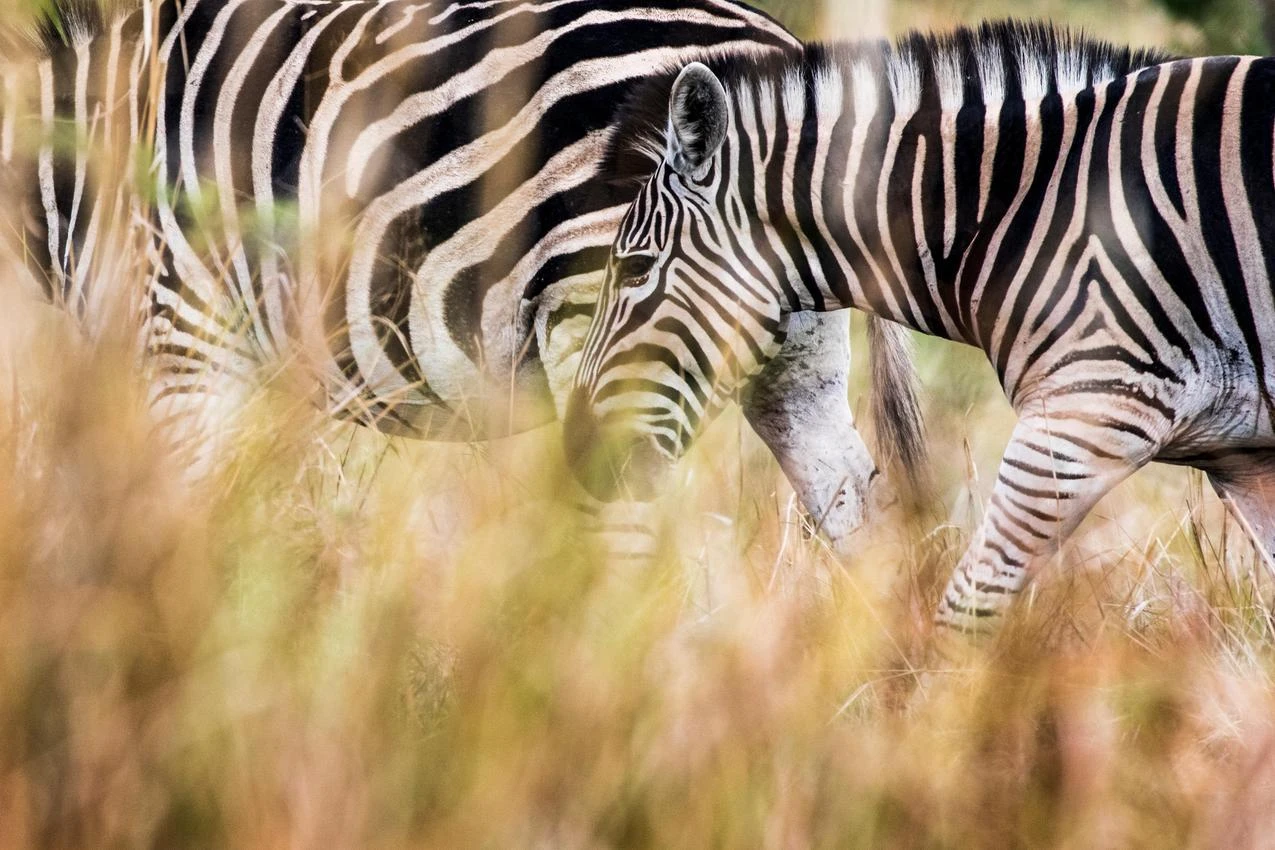


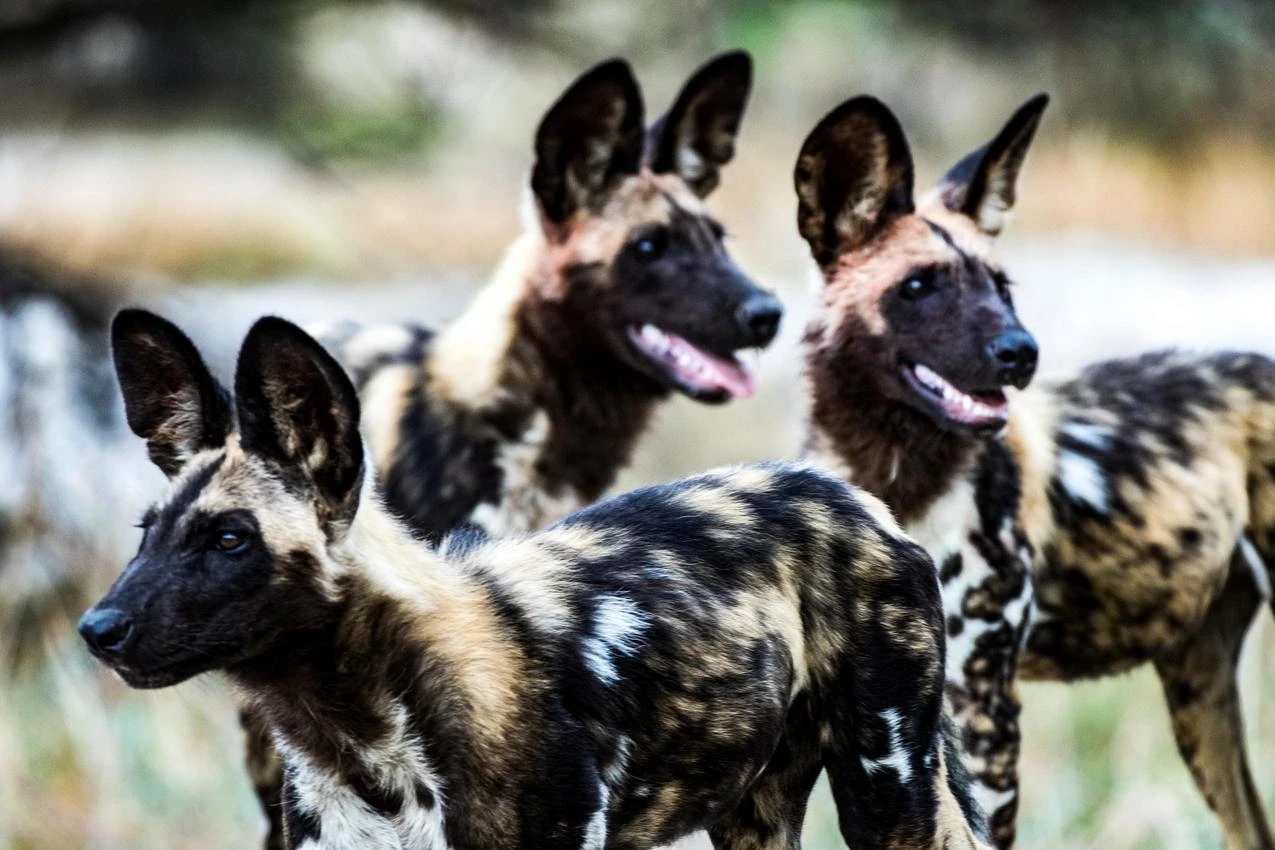
This mix of water, floodplain, woodland and island habitat is what makes the Okavango Delta so valuable for a Botswana photo safari. One morning may be spent photographing predators in open country, while an afternoon on the water can bring elephants, hippos, crocodiles, fish eagles and reed-lined landscapes into completely different light and perspective.
PHOTOGRAPHY IN THE FIELD
Land and Water-Based Photography in the Okavango Delta

One of the reasons the Okavango Delta is so rewarding for wildlife photographers is the way it combines land and water in the same safari experience. Game drives can take you across floodplains, woodland edges and island habitats where elephants, buffalo, antelope, lions, leopards and African wild dogs may move through changing light and open space.
Water-based activities add a very different photographic perspective. Boats and mokoro canoes can create lower angles, reflections, quieter compositions and closer views of wetland birds, hippos, crocodiles and elephants moving through shallow channels. The pace is often slower, which gives photographers time to look for shape, colour, texture and behaviour rather than only chasing sightings.
Where possible, we design Okavango Delta photo safaris to include a thoughtful mix of land and water-based activities, matched to the season and camp location. This gives photographers more variety across the itinerary and a stronger visual story of the Delta.
Best Time for an Okavango Delta Photo Safari
The best time for an Okavango Delta photo safari depends on whether you want classic dry-season wildlife concentration, peak flood scenery, bird photography, green-season colour or quieter safari conditions. Unlike many safari regions, the Okavango is shaped by two seasonal systems: local summer rains and floodwaters that arrive from the Angolan highlands during Botswana’s dry season.
For photographers, this creates different opportunities throughout the year. May to October is generally the strongest period for classic wildlife photography, with cooler mornings, clearer conditions, rising floodwaters and increasingly concentrated wildlife. The green season from November to April offers a softer, more colourful Delta, with migratory birds, dramatic skies, young animals and rich wetland atmosphere.
Green Season
November to April
Green season gives the Okavango Delta a lush, atmospheric feel, with richer colour, dramatic skies, migratory birds and softer landscapes. Wildlife can be more dispersed, but the photographic mood can be excellent.
- Excellent bird photography and migratory species
- Lush colour, storm skies and softer backgrounds
- Good period for young animals and fresh landscapes
- Quieter safari conditions than peak season
- Warm wet conditions with seasonal rain (20–34°C / 68–93°F)
Best for
Bird photography, colour, atmosphere, dramatic skies and quieter Delta conditions
Early Dry Season
May to July
Early dry season can be a beautiful time for an Okavango Delta photo safari, as conditions become cooler and floodwaters begin spreading through the system. Landscapes still hold colour and wildlife starts shifting toward water.
- Floodwaters begin filling channels and floodplains
- Cooler mornings and clearer dry-season light
- Strong balance of scenery, comfort and wildlife
- Good period for land and water-based activities
- Cool dry weather (10–26°C / 50–79°F)
Best for
Balanced Okavango photography with flood scenery, wildlife and comfortable conditions
Peak Wildlife Season
August to September
Peak wildlife season often brings the Delta’s most iconic floodwater scenery, with channels, lagoons and floodplains at their most photogenic. Wildlife viewing is strong, mornings are cool and water-based photography can be excellent.
- Classic Okavango floodwater landscapes
- Excellent boat, mokoro and wetland photography
- Strong wildlife movement around floodplain edges
- Cool mornings, clear skies and clean light
- Peak season conditions with strong safari demand
- Warm dry conditions (18–33°C / 64–91°F)
Best for
Classic Okavango Delta scenery, water-based photography and strong wildlife variety
Late Dry Season
September to October
Late dry season is often highly productive for wildlife photography, with animals drawn toward remaining water and vegetation becoming thinner. Conditions are hotter, but sightings can be excellent across productive Delta areas.
- High wildlife concentration around remaining water
- Strong predator, elephant and general game activity
- Clearer visibility as vegetation thins out
- Hotter conditions, especially in October
- Excellent period for classic dry-season safari images
- Very hot temperatures (approx. 30–40°C / 86–104°F)
Best for
Predator activity, elephant photography, high-density sightings and dry-season drama
PHOTO SAFARI EXPERIENCES
Photo Safari Experiences in the Okavango Delta
An Okavango Delta photo safari is at its best when it combines the Delta’s different safari styles into one carefully planned itinerary. Game drives can take photographers through floodplains, woodland edges and island habitats, while boat and mokoro activities create a completely different perspective on the waterways, reedbeds and wetland wildlife.
This variety gives photographers more than a single type of safari experience. One activity may focus on lions, leopards, African wild dogs, elephants or buffalo in open country, while another may bring hippos, crocodiles, fish eagles, kingfishers, herons or elephants into soft water-level light. The result is a richer photographic story of the Okavango Delta.
A strong Okavango Delta photo safari should feel unhurried. The aim is not simply to move between activities, but to give you enough time to work with light, behaviour, habitat, reflections, movement and composition.
What you can expect:
A well-planned Okavango Delta photo safari should bring these experiences together in a way that feels natural, productive and visually varied, with the right camps and activities matched to the season.
Okavango Delta WILDLIFE
Wildlife You Can Photograph in the Okavango Delta
The Okavango Delta is one of Botswana’s most rewarding wildlife photography regions because it brings together wetland, floodplain, woodland and island habitats in one connected ecosystem. This variety supports an exceptional mix of subjects, from elephants moving through shallow water to predators hunting across open floodplains and birds working the channels, reeds and lagoons.
For photographers, the strength of the Delta is not only the wildlife itself, but the way it can be photographed. Game drives can produce classic predator and big-game images, while boat and mokoro activities open up lower perspectives, reflections, wetland birdlife and quieter environmental compositions. A well-planned Okavango Delta photo safari gives you the best chance of combining these different subjects and settings across the same itinerary.

ELEPHANT PHOTOGRAPHY
African Elephants in the Okavango Delta
Elephants are a major subject in the Okavango, often photographed moving through floodplains, crossing shallow water, feeding near channels or gathering in soft evening light.

PREDATOR PHOTOGRAPHY
Lions, Leopards and Wild Dogs
The Delta can be excellent for predators, with lions, leopards and African wild dogs moving through floodplain, woodland and private concession areas.
WETLAND WILDLIFE Photography
Hippos and Crocodiles
Hippos and crocodiles are classic Okavango subjects, especially around permanent channels, lagoons and river systems where water-level photography can work well.

Photograph FLOODPLAIN HERDS
LechweBuffalo and Antelope
Buffalo, red lechwe, impala, kudu and other antelope add movement, scale and variety to Okavango wildlife photography across open floodplains and woodland edges.
BIRDLife PHOTOGRAPHY
Exceptional Wetland Bird Photography
The Delta is outstanding for bird photography, with fish eagles, kingfishers, herons, bee-eaters, cranes, storks and seasonal migrants across the wetlands.
DELTA LANDSCAPES Photography
Wildlife in Water and Floodplain Scenes
The Okavango’s channels, lagoons, reeds, palm islands and floodplains create beautiful settings for wider wildlife images and environmental safari photography.
The Okavango Delta also combines well with Chobe photo safaris , Hwange photo safaris, Savuti, Linyanti and Victoria Fall photo safaris, giving photographers a broader Botswana and Southern Africa itinerary with wetlands, predators, river wildlife, bird photography and dramatic landscapes.
Okavango Delta Safari Camps for Photographic Safaris
Where you stay can shape the entire rhythm of an Okavango Delta photo safari. Some camps are better suited to predator-rich floodplains and private concession game drives, while others give photographers stronger access to permanent waterways, boat safaris, mokoro activities, birdlife and wetland scenery.
For photographers, the best camp is not simply the most luxurious. It is the camp that fits your season, itinerary flow, photographic goals and preferred safari style. We look at location, guiding quality, activity options, airstrip access, habitat variety and how well each property supports time in the field.
Below are some of the Okavango Delta safari camps we may consider when designing a tailor-made photographic safari in Botswana.

Wild Expeditions – Karangoma Camp
Karangoma Camp offers an intimate Okavango Delta base in a private concession, with strong wilderness atmosphere, varied habitats and good access to wildlife photography opportunities.
Wilderness – Mombo Camp
Mombo Camp is one of the Delta’s most iconic safari camps, set in a highly productive wildlife area known for predators, big game and exceptional photographic potential.

Machaba Camp
Machaba Camp combines classic safari style with excellent access to Okavango habitats, giving photographers opportunities for wildlife, floodplain scenes and strong guiding.
Wilderness – Vumbura Plains Camp
Vumbura Plains Camp offers access to a private Delta concession with diverse habitats, combining water, floodplain and woodland photography in one safari area.

Wilderness – Chitabe Camp
Chitabe Camp sits in one of the Delta’s most productive wildlife areas, with strong predator potential, varied habitats and excellent game drive photography.
Machaba – Gomoti Plains Camp
Gomoti Plains Camp offers access to a private Okavango concession known for floodplains, wildlife variety, predator sightings and classic Delta scenery.
FLEXIBLE SAFARI OPTIONS
The Right Okavango Delta Camp for Your Photo Safari
The Okavango Delta has a wide range of exceptional safari camps, but the best choice depends on more than brand name or luxury level. Season, floodwater levels, wildlife movement, activity style, guiding quality, air access and budget all influence which camp will work best for your photographic safari.
The camps listed above are examples of properties we may consider, but they are not the only options. We work with a broader network of trusted Okavango Delta camps and lodges, allowing us to match each itinerary to the right combination of location, photographic opportunity, comfort and overall safari flow.
How to Get to the Okavango Delta for a Photo Safari
Most Okavango Delta photo safaris begin with a flight into Maun, the main gateway to Botswana’s famous inland delta. From Maun, travellers usually connect to safari camps by light aircraft, landing at remote bush airstrips close to the camp or concession area.
The Okavango can also be combined with Chobe, Savuti, Linyanti, Moremi and Victoria Falls using a mix of scheduled regional flights, light aircraft transfers, private charters and road transfers. For photographers, these logistics matter because camera gear, soft-sided luggage and camp-to-camp routing need to be planned properly.
We coordinate the internal flights, transfers and itinerary flow as part of your Okavango Delta photo safari, so the logistics support the safari rather than interrupt your time in the field.
Maun Airport
Gateway
Maun Airport is the main gateway for Okavango Delta photo safaris, with regional flight access and light aircraft connections to remote camps, private concessions and bush airstrips across the
Delta.
Best for:
Accessing Okavango Delta safari camps and private concessions
Charter Flights into the Delta
Light aircraft transfers are part of the Okavango experience, giving photographers access to remote safari camps that are difficult or impossible to reach by road, while also creating memorable aerial views of the
Delta.
Best for:
Reaching remote wilderness camps and linking multiple Delta areas
Combining with Chobe and Victoria Falls
The Okavango Delta combines very well with Chobe, Savuti, Linyanti, Moremi and Victoria Falls, creating a broader photographic safari with wetlands, predators, river wildlife, bird photography and dramatic landscapes.
Best for:
Multi-destination Botswana and Southern Africa photo safari itineraries
Typical Travel Times
Okavango Delta logistics are highly itinerary-specific, especially when combining multiple camps or linking the Delta with Chobe, Savuti, Linyanti, Moremi or Victoria Falls. We plan these movements carefully so your safari has the right balance of access, comfort, photographic opportunity and time in the field.
“The Okavango Delta was one of the most rewarding places we have photographed in Africa. Every activity seemed to offer something different, from open floodplains and island habitats to quiet channels, elephants in the water and predators moving through beautiful early light. What stood out most was the variety. It never felt like one type of safari repeated each day — it felt like a complete photographic story of Botswana.”
PHOTOGRAPHY PREPARATION
Camera Gear for an Okavango Delta Photo Safari
An Okavango Delta photo safari can move between very different shooting conditions, often within the same itinerary. You may be photographing predators on open floodplains, elephants crossing shallow water, birdlife along reed-lined channels, hippos in permanent waterways, or wider landscape scenes from a boat, mokoro or safari vehicle.
Because the Delta combines land and water-based photography, it is worth packing with flexibility in mind. The goal is not to bring every lens you own, but to travel with a practical setup that gives you reach, speed, stability, storage and protection from dust, water spray and light aircraft luggage restrictions.
Photography Tip
For Okavango Delta photo safaris, keep a flexible mid-range zoom close at hand as well as your longer lens. Wildlife can move close to the vehicle, boat or water’s edge, and changing lenses during a mokoro or boat activity is not always practical.
TAILOR-MADE PHOTO SAFARIS
Plan Your Tailor-Made Okavango Delta Photo Safari
Every photographer experiences the Okavango Delta differently, which is why a tailor-made Okavango Delta photo safari can be so valuable. Some travellers come for predator photography in private concessions, while others want elephants in water, mokoro experiences, bird photography, wetland landscapes, luxury camps or a broader Botswana itinerary that connects the Delta with Chobe, Savuti, Linyanti, Moremi or Victoria Falls.
We help shape the safari around your photographic goals, preferred travel style, budget, timing and comfort level. That can mean choosing the right balance of land and water-based camps, planning light aircraft transfers, allowing for luggage and camera gear limits, recommending the strongest season for your priorities, or building in enough time to work properly with light, behaviour and location.
The result is an Okavango Delta photo safari that is designed around the images you want to create, not just a list of camps and transfers.
Okavango Delta Photo Safari FAQs
“
GUEST EXPERIENCE
An Okavango Delta Photo Safari in Their Words
“The Okavango Delta was a dream location for a photo safari. The scenery alone made it special, but the wildlife encounters were just as memorable. We photographed lions in open grassland, elephants feeding along the floodplains and quiet wetland scenes that felt completely different from anywhere else we had travelled in Africa. What we really appreciated was the patience in the field. There was time to wait, adjust and work properly with the light.”
Daniel & Melissa Tan
Singapore
Plan Your Okavango Delta Photo Safari
The Okavango Delta is one of Botswana’s most rewarding destinations for photographers who want wetland landscapes, predator-rich floodplains, water-based safari activities, private concessions and strong wildlife variety in one region.
Whether you are planning your first African photographic safari or returning to Botswana with specific images in mind, we can help shape an Okavango Delta photo safari around the right season, camps, guides, activities and regional connections.
Tell us what you want to photograph, how you like to travel and whether you want the Okavango as a focused safari or part of a wider itinerary with Chobe, Savuti, Linyanti, Moremi or Victoria Falls. We will help build the route around your photographic goals, comfort level and time in the field.