
Mana Pools Photo Safari Guide

There are safari destinations that give you great sightings, and then there are those that stay with you long after you leave. Mana Pools sits firmly in the second category.
Set along the banks of the Zambezi River in northern Zimbabwe, Mana Pools National Park is one of Africa’s most rewarding destinations for wildlife photographers. It is wild, lightly developed, beautifully scenic, and full of the kind of natural behaviour that makes images feel more meaningful. This is not just a place to tick species off a list. It is a destination where light, space, behaviour, and patience all come together in a way that feels made for photography.
For photographers, Mana Pools offers something genuinely special. Elephant bulls feeding upright beneath winterthorn trees, wild dogs moving across open floodplains, buffalo gathering in dusty light, and birds working the riverbanks all create a setting that is both iconic and deeply photographic. Add walking safaris, canoe experiences, and a strong sense of wilderness, and it becomes easy to understand why Mana Pools has earned such a respected reputation among serious safari travellers and wildlife photographers.
Thinking About A Mana Pools Photo Safari?
Reading about photo safaris is a great place to start, but the real magic happens in the field. Our scheduled photo safaris are designed for photographers who want more than a standard game drive experience, with carefully chosen destinations, expert guidance, and time to focus on wildlife photography properly.
Why Mana Pools Stands Out for Wildlife Photography
Mana Pools is one of Africa’s best photographic safari destinations because it offers much more than standard game viewing. It gives photographers the chance to work with wildlife in a setting that feels open, immersive, and full of possibility.
One of the biggest advantages of Mana Pools is the landscape itself. The floodplains, river frontage, and winterthorn forests create clean, elegant environments for wildlife photography. In many safari destinations, thick bush can make photography frustrating, with cluttered backgrounds and limited angles. Mana Pools often provides the opposite. Subjects can be isolated beautifully, or framed within their environment in a way that adds a strong sense of place.
The quality of the wildlife encounters also sets Mana Pools apart. This is a destination known for behaviour. The famous elephant bulls that stand on their hind legs to feed are the obvious headline, but they are only part of the story. Animals here often feel less pressured and more naturally integrated into the landscape. With a good guide and enough time, sightings can develop slowly and organically, which is exactly what photographers want.
Another factor is the atmosphere of the safari experience. Mana Pools has a sense of wildness that many photographers love. It does not feel overdeveloped or overrun, and that has a direct impact on the kind of images you can create. The park encourages patience and observation rather than rushing from sighting to sighting. That rhythm suits photographers far better than a fast-paced checklist safari.
Then there is the light. Early mornings along the Zambezi can bring mist, softness, and beautiful tonal range. Late afternoons can produce warm, directional light that works brilliantly for portraits, silhouettes, and backlit scenes. In the later dry season, dust and haze can add mood and depth that transform otherwise simple wildlife moments into images with far more atmosphere.
Mana Pools is not just photogenic because of what is there. It is photogenic because of how everything comes together.

What You Can Expect to Photograph in Mana Pools
Mana Pools is a destination where the quality of encounters often matters more than the length of a species list. For photographers, that is a big part of the appeal. The park is known for animals behaving naturally in beautiful surroundings, which is exactly what creates stronger images.
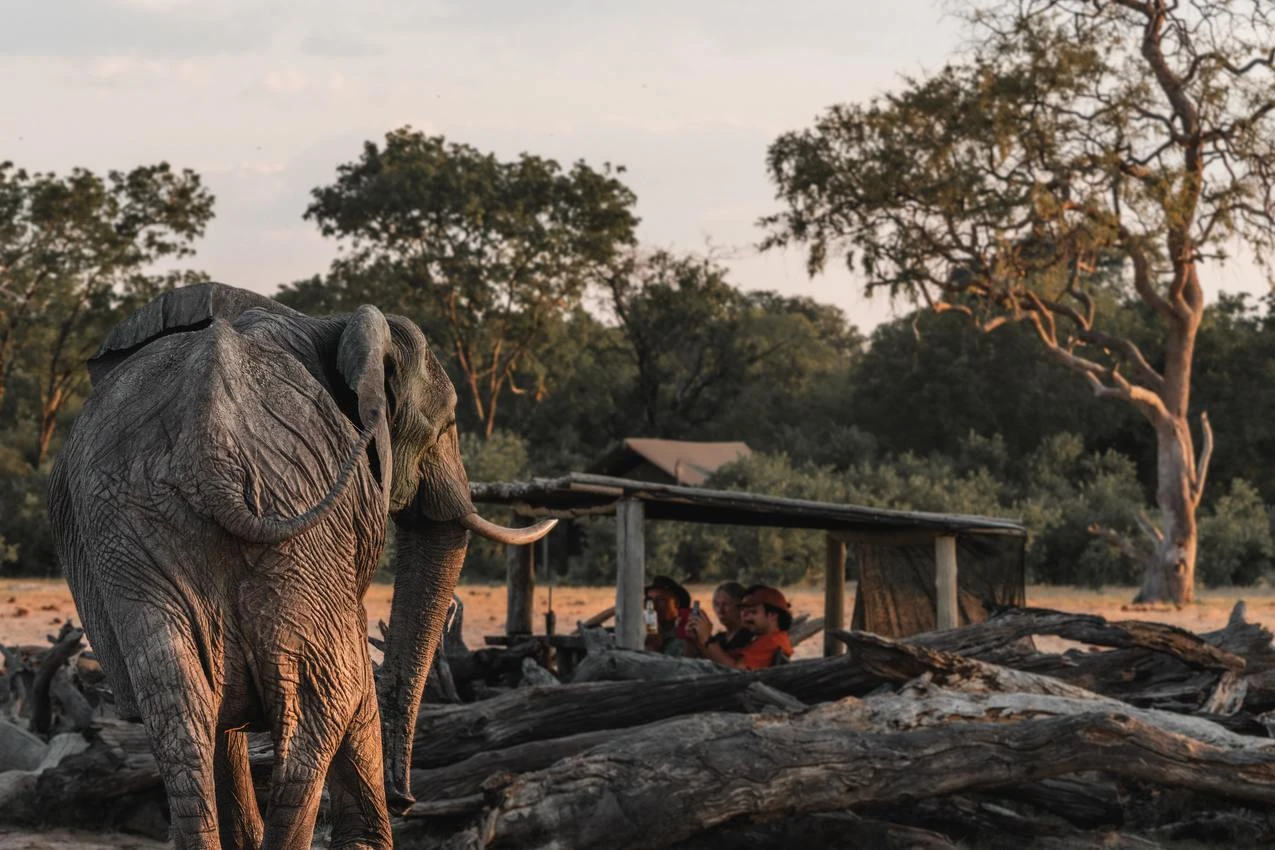
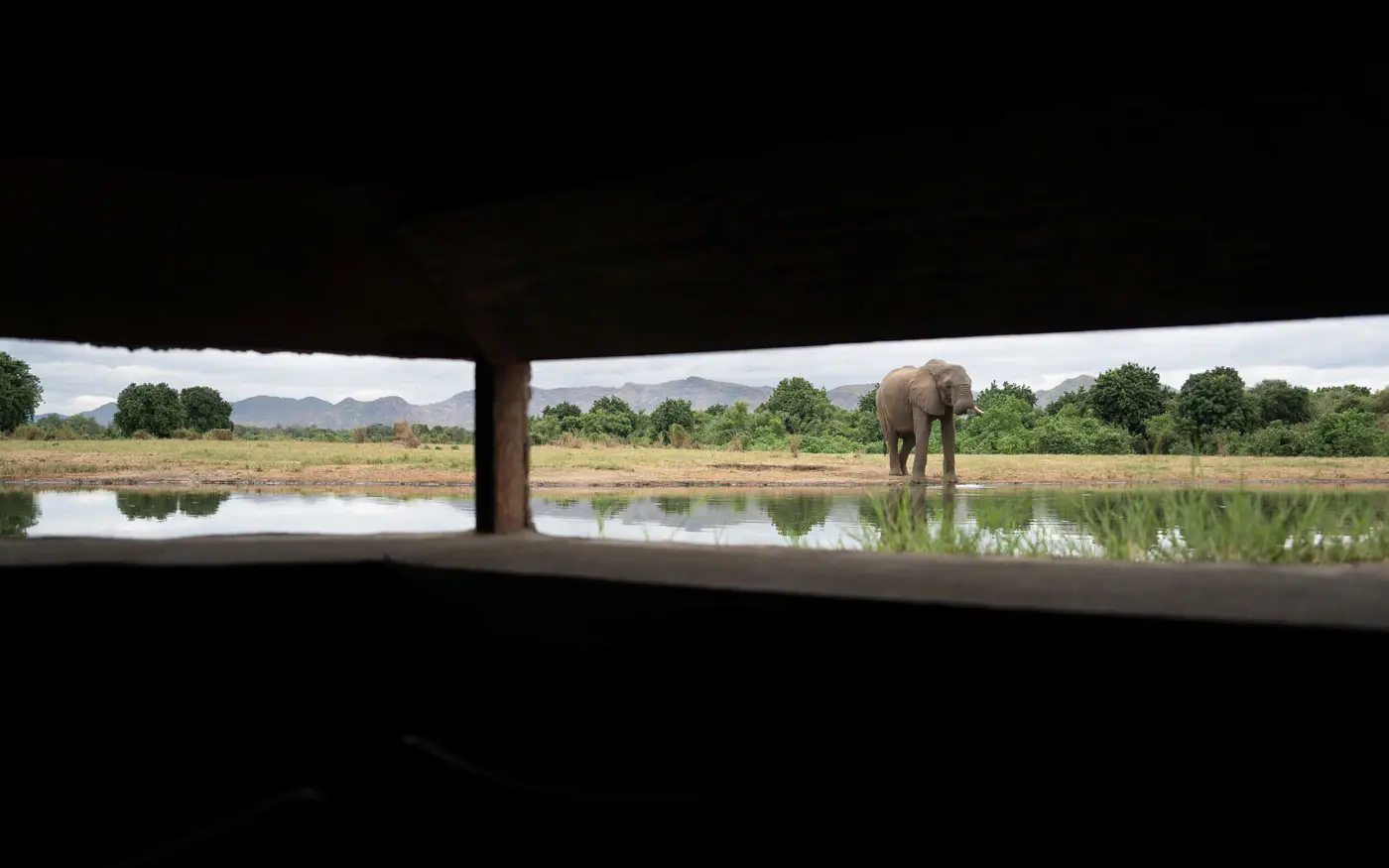
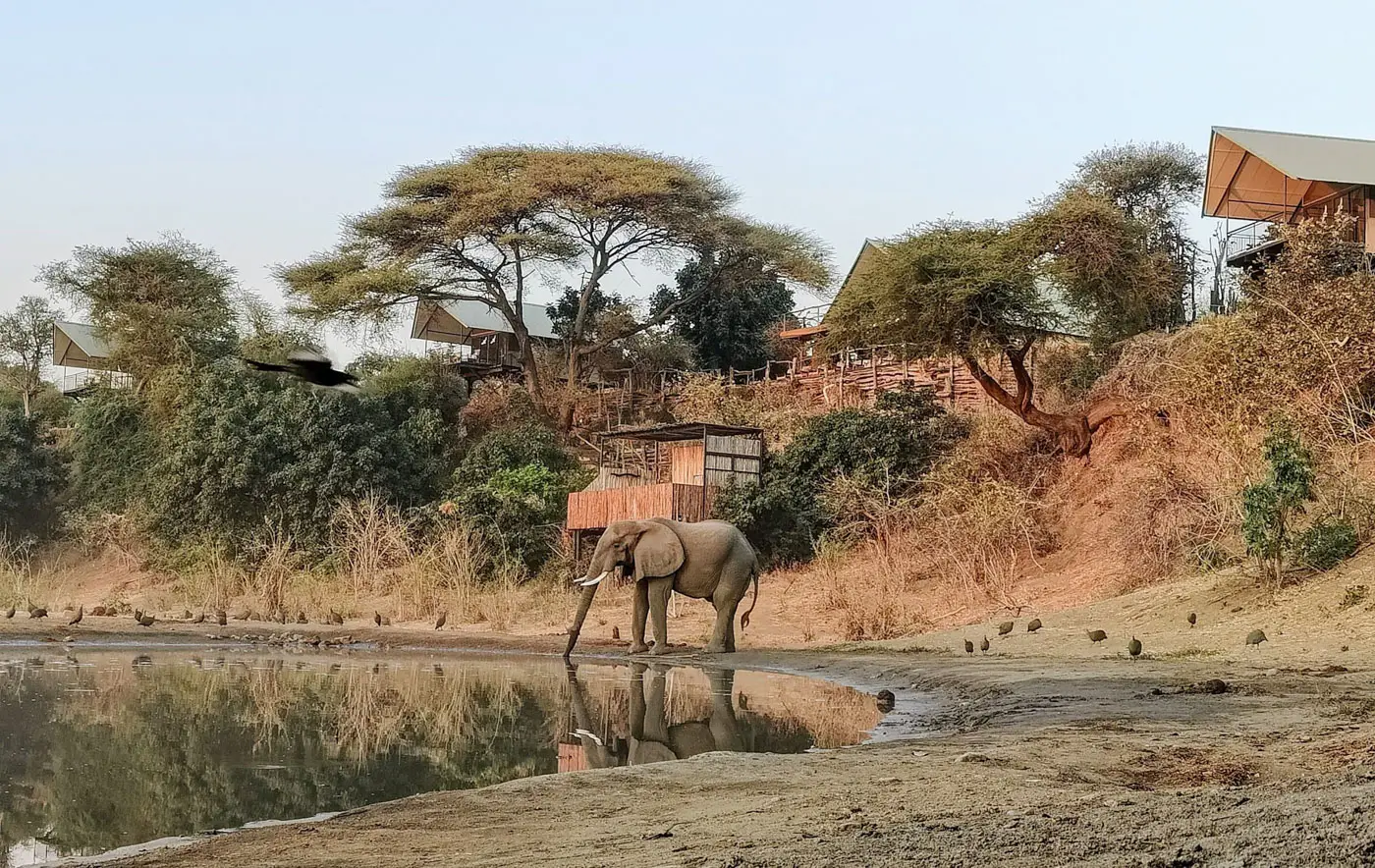
Elephants are undoubtedly one of the biggest highlights. Mana Pools is famous for its large bulls, and photographing them here is one of the defining wildlife experiences in Zimbabwe. The upright feeding behaviour is the most iconic image associated with the park, but there are also exceptional opportunities for tighter portraits, wider environmental compositions, and gentle behavioural moments along the river and floodplain. Elephants here are often one of the main reasons photographers return.
African wild dogs are another major drawcard. Mana Pools is one of the strongest locations in southern Africa for photographing wild dogs, particularly when they are active and moving through more open country. For photographers interested in action, gesture, and storytelling, these sightings can be incredibly rewarding. When the dogs begin to hunt or interact as a pack, the photographic potential rises quickly.
Lions are present too, and although Mana Pools is not always marketed first as a lion destination, it can still produce powerful sightings. Lions moving through open light, resting beneath the winterthorn trees, or interacting with buffalo herds can all create strong photographic moments. Buffalo themselves are excellent subjects here, especially in larger groups where dust, shape, and light come into play.
Leopards are around, although often more elusive and less predictable. When a leopard sighting does happen in Mana Pools, it often feels especially memorable because of the wild feel of the destination.
For bird photographers, Mana Pools has plenty to offer. The Zambezi River and surrounding habitats attract a wonderful variety of birdlife, including fish eagles, kingfishers, herons, storks, bee-eaters, and more. Carmine bee-eaters are a standout whenever conditions and timing align, and there are many opportunities to combine bird photography with the broader landscape.
When to Visit Mana Pools (Seasons, Light & Cost Differences)
The best time to visit Mana Pools for wildlife photography depends on what kind of experience you want, what you hope to photograph, and how much flexibility you have in your budget. Different parts of the season deliver different strengths.
In general, the dry season is the prime time for photography, especially from July through October. As the season progresses, water becomes more limited, vegetation thins, and wildlife activity becomes more concentrated around the river and floodplain areas. This makes animals easier to find and usually improves the predictability of sightings.
Dry Season
July and August are excellent months. Access is good, conditions are dry, and wildlife photography is already very rewarding. The temperatures are often more comfortable than later in the season, and many photographers find this a sweet spot between good sightings and manageable conditions. If you are visiting Mana Pools for the first time, these months are a strong choice.
September and October are often the most dramatic months from a photographic perspective. This is when the park becomes drier, more intense, and more concentrated. Wildlife activity can be exceptional, and the quality of light can be especially atmospheric. Dust, low sun angles, and the pressure of the late dry season all combine to create the kind of portfolio-level imagery many photographers are hoping for. If you want the classic Mana Pools feel, this is often the best window.
Green Season
Earlier in the season, around May and June, the experience can be beautiful but different. The landscape is greener, the atmosphere can feel fresher, and there is often more of an environmental storytelling quality to the photography. Wildlife may be more dispersed, which can make sightings less predictable than later in the dry season, but some photographers really enjoy the quieter feel and softer look of this time of year.
Cost is an important part of the seasonal conversation too. Peak dry-season months, especially August through October, usually come with the highest rates. This is when demand is strongest, camps are most sought after, and the best-known properties often book well in advance. You are effectively paying for the combination of access, prime conditions, and a higher likelihood of iconic sightings.
Peak Season
The benefit of paying peak season rates is clear. You are improving your odds of photographing concentrated wildlife, repeat behaviour, and those signature Mana Pools moments. For many travellers, especially those coming a long way for a dedicated photo safari, that premium is worth it.
The downside, of course, is cost. Availability is tighter, rates are higher, and you may have fewer options if you are booking late.
Shoulder Season
Shoulder periods and earlier dry-season dates can offer better value. Camps may be more accessible from a pricing perspective, and there can be a bit more flexibility in trip design. The trade-off is that wildlife may not be as concentrated, and you may need more patience and more time in the field to build the same kind of portfolio.
In simple terms, peak season is best for photographers wanting the strongest chance of classic, high-impact imagery. Earlier dates can be excellent for those wanting a quieter experience, a slightly softer look, and better overall value.
Stay Inspired Between Safaris
Join the Photo Safari newsletter for safari stories, photography tips, destination inspiration, and updates on upcoming departures delivered straight to your inbox.
The Photographic Moments That Define Mana Pools
Every great photo safari destination has a few standout moments that become part of its identity. In Mana Pools, those moments are especially distinctive, and they are a big part of what makes the park so appealing for photographers.
The most iconic is the elephant standing upright beneath an albida or winterthorn tree. It is one of the signature wildlife photographs of Zimbabwe and one of the clearest examples of how behaviour can define a destination. This is the sort of image that instantly tells viewers where it was taken, which gives it enormous value in a portfolio. The key to photographing it well is patience, thoughtful positioning, and allowing enough space in the frame to show the surrounding tree and environment.
Wild dog sightings are another defining feature of Mana Pools. These encounters can be fast, unpredictable, and hugely exciting. The open terrain often gives photographers a better chance to work with movement and group dynamics than in denser bush settings. When a pack starts moving with intent, being technically ready matters. Fast shutter speeds, continuous autofocus, and anticipation all come into play.
The Zambezi River itself creates many of the destination’s best storytelling opportunities. Elephants walking down to the water, buffalo standing in the shallows, birds using dead branches along the bank, and wildlife framed against open water all create elegant compositions with a strong sense of place. These are often the images that feel most timeless.
Backlit and side-lit scenes in the late afternoon are also a major strength of Mana Pools. Dust in the air can create beautiful shafts of light and a warm, atmospheric look that works particularly well with elephants and buffalo. Early mornings, by contrast, can produce softness, mist, and a quieter mood that feels completely different but equally rewarding.
Canoe safaris can add another layer to the photographic story. While they are not always the place for long-lens wildlife portraiture, they can be fantastic for atmosphere, river life, wider compositions, and building a fuller visual narrative of the destination.
A practical point worth remembering is that Mana Pools often works best when you do not shoot too tight all the time. This is a destination where the environment matters. Some of the strongest photographs are the ones that show the relationship between animal, tree, river, and light.

Choosing the Right Safari Experience
One of the reasons Mana Pools is such a strong destination is that there are several ways to experience it, and each one brings different photographic advantages.
Game drives remain the foundation of most safaris here. For photographers, the value of a good game drive is not just about seeing animals. It is about how the guide positions the vehicle, how much time you are given at sightings, and whether the day is structured around light and photographic priorities rather than simply around general viewing.
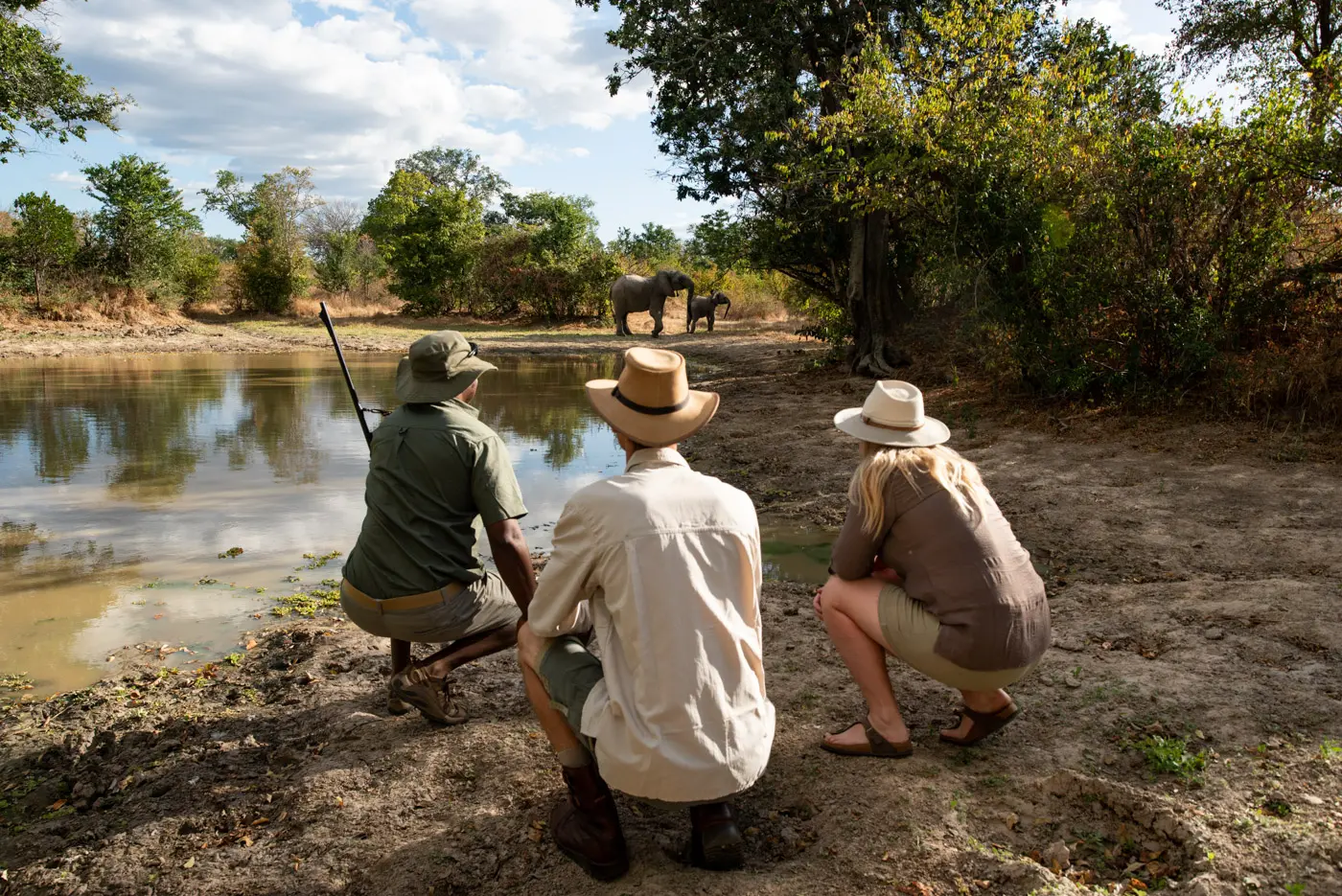
Walking safaris are one of Mana Pools’ defining features. Being on foot changes the way you see the landscape and how you think about wildlife. Even if your most important images are made from a vehicle, the walking component can deepen your understanding of behaviour, wind, habitat, and the rhythm of the park. It adds a different layer to the overall experience and often makes photographers feel far more connected to the destination.
Canoe safaris offer a more atmospheric and story-driven perspective. They are especially rewarding for photographers who want to capture the mood of the Zambezi system, riverbank life, reflections, and wider environmental scenes. They are less about classic big game portraiture and more about broadening the visual story of the trip.
Private safaris are often the best fit for serious photographers or couples who want more control over timing and positioning. With a private vehicle or dedicated setup, you can spend longer at sightings, return to productive areas more easily, and shape the day around the best light rather than around a shared group schedule.
Dedicated photographic safaris are the most focused option of all. These are ideal for travellers who want the safari built around camera work from the start. That usually means more flexibility, better support for photographers in the field, and a pace that prioritises image-making rather than general tourism.
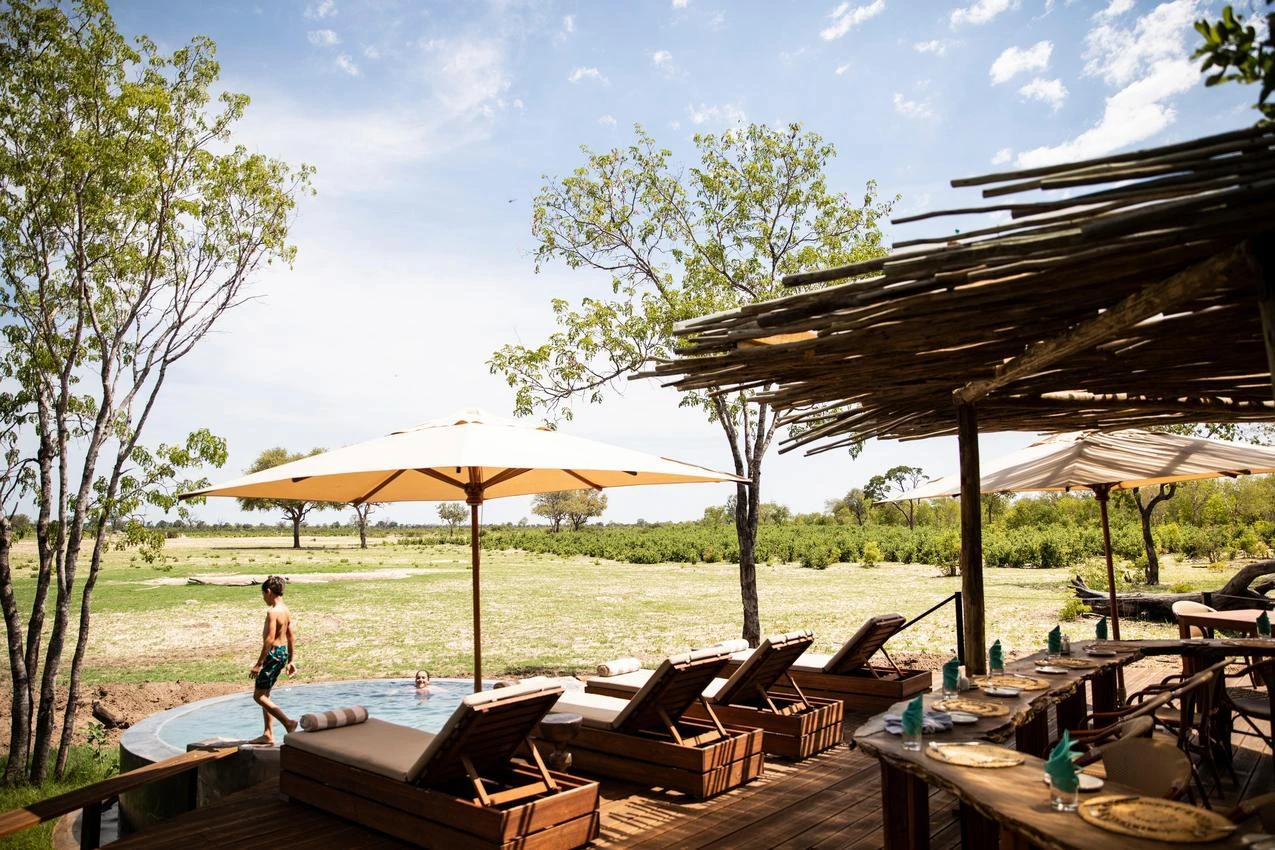
Where to Stay for a Photographic Safari
Choosing the right camp in Mana Pools is about much more than comfort. For photographers, camp selection affects access to productive areas, the style of guiding, the flexibility of the safari, and the overall feel of the experience.
At Photo Safari Company, we prefer to work with camps and safari partners that genuinely align with the needs of photographers. In Mana Pools, that means focusing on properties that offer strong locations, excellent guiding, and a safari style that supports time in the field.
Wilderness Safaris
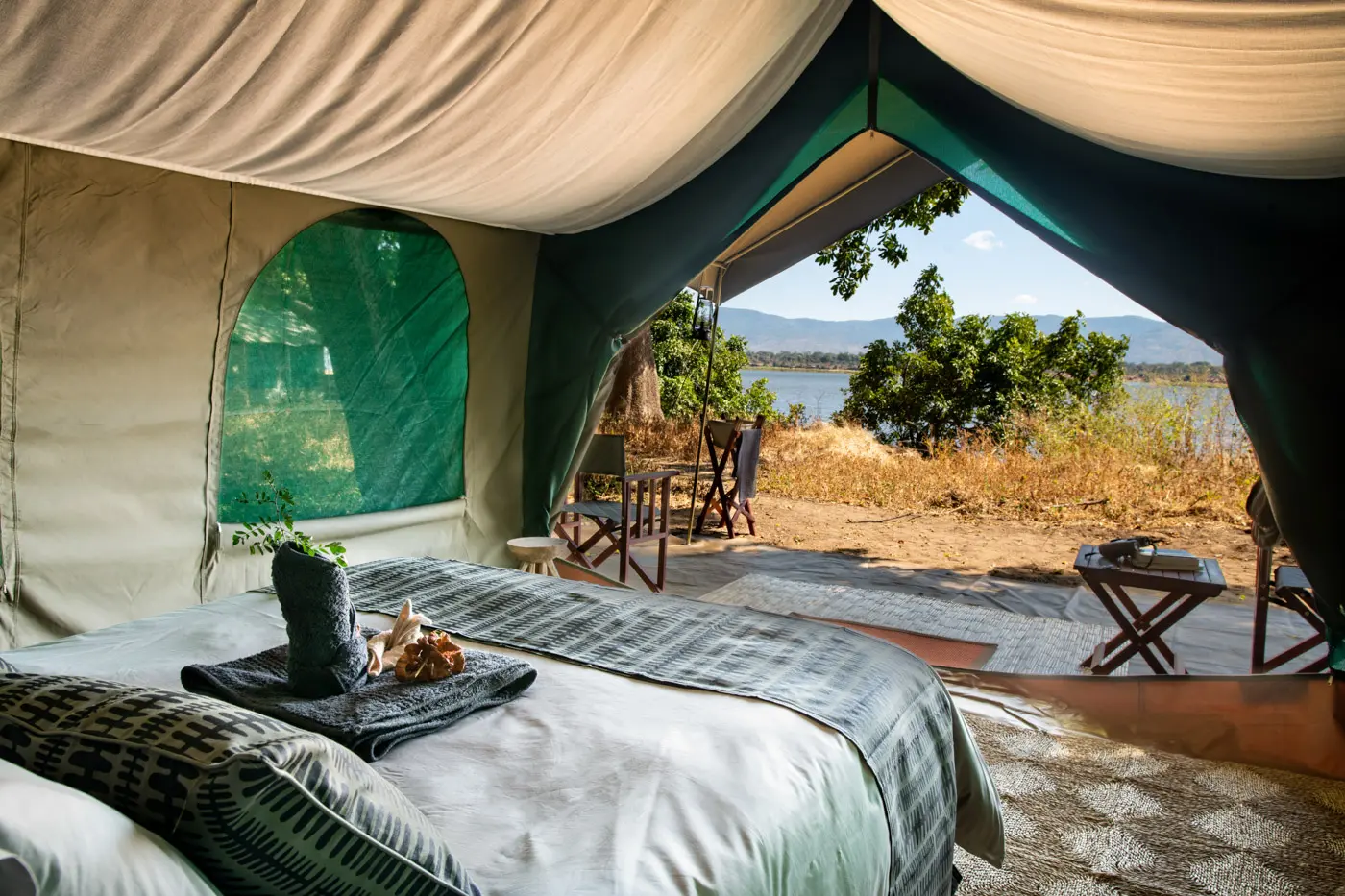
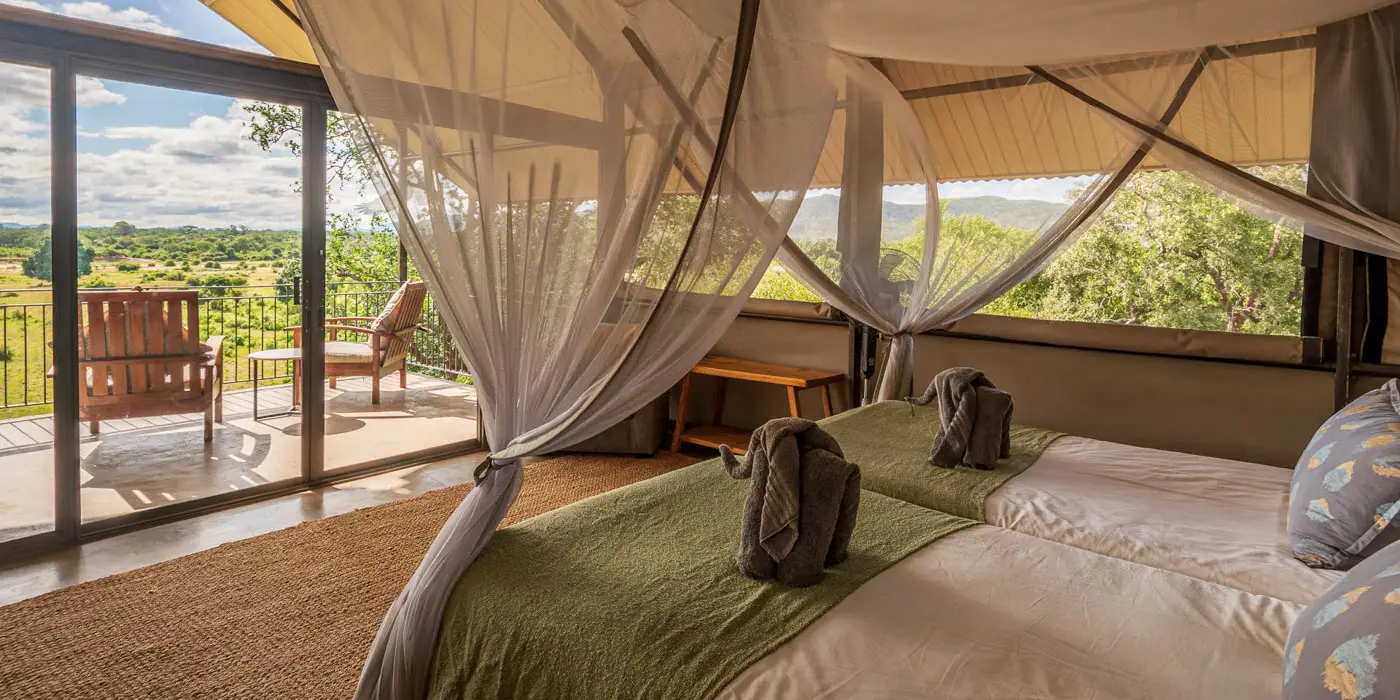
Wilderness camps are a strong fit for photographers who want a refined safari experience paired with excellent wildlife areas and highly professional guiding. These properties suit travellers who want comfort, consistency, and a polished overall experience without losing the wild feel that makes Mana Pools special.
Machaba Safaris
Machaba camps offer a more classic safari atmosphere and can work very well for photographers who value authentic bush character, strong guiding, and a camp style that feels grounded in the experience of the destination itself. They often strike a very good balance between comfort and immersion.
Kavinga Safaris
Kavinga is especially interesting for photographers who want something more specialised and distinctive. It has built a strong reputation for serious wildlife experiences and can appeal to those looking for a more focused photographic edge. For the right traveller, it can add a very different and memorable dimension to a Mana Pools itinerary.
The key is not simply choosing a well-known name. It is choosing the camp that matches your goals. The best fit for a photographer is the one that supports flexibility, productive guiding, and the kind of safari rhythm that helps great images happen.
If you’re considering staying at any of these camps, it’s worth knowing that we work closely with each of them as a Tier One partner. This allows us to offer more than just access, we can often secure favourable rates, priority availability, and ensure your safari is structured specifically around photographic outcomes rather than a standard itinerary.
Alternatively, you can join one of our scheduled photo safaris, which are fully inclusive and designed from the ground up for photographers. These departures combine carefully selected camps, expert photographic guidance, and a pace that gives you the time and positioning needed to make the most of every opportunity in Mana Pools.


Camera Gear & Field Tips for Mana Pools
Mana Pools rewards photographers who arrive with a practical, flexible gear setup and a good understanding of how they want to shoot. You do not need every lens in your cupboard, but you do need a kit that handles wildlife behaviour, environmental scenes, and changing light.
Telephoto Lens
A 100 to 400mm lens is one of the most useful choices for Mana Pools. It gives you enough reach for wildlife while still being flexible enough for wider animal-in-environment compositions. A 200 to 600mm can also be excellent, especially for birds and more distant subjects, but some photographers find a slightly shorter zoom more versatile for the style of photography that Mana Pools often encourages.
Versatile Zoom Lens
A 70 to 200mm is particularly valuable here. Because the park has more open spaces and many scenes work well with environmental context, this range is ideal for elephants, wider portraits, layered compositions, and moments where you want the landscape to remain part of the story.
A 24 to 70mm or similar wider zoom is also worth packing if you want a complete visual story of the destination. Camp scenes, canoe moments, wider river landscapes, dramatic skies, and creative wildlife-in-habitat images all benefit from having a broader focal range available.
For action, especially when photographing wild dogs or moving mammals, shutter speeds of at least 1/2000 second are a sensible starting point when light allows. For more static portraiture, you can work lower, but it is still wise to stay ready because behaviour can change very quickly. Aperture choice depends on the look you want. Wider apertures can isolate a subject beautifully, while slightly narrower apertures often work better for environmental scenes where the setting matters.
Dust protection is important, especially later in the dry season. Keep a blower in your bag, avoid unnecessary lens changes in the field, and use simple protection covers if conditions become especially dusty. Spare batteries and memory cards are also essential, as long days and repeated opportunities can fill cards surprisingly quickly.
Pro Photographer Tip
One of the most important photographic tips for Mana Pools is to resist the temptation to shoot every subject as a tight close-up. This destination is at its best when the environment remains part of the image. The tree above the elephant, the open space around the wild dogs, the river beside the buffalo, and the light filtering through the forest all contribute to the story. Let Mana Pools look like Mana Pools.

Why Book Your Safari With Photo Safari Company
Planning an African photo safari is about more than choosing a destination and a lodge. The right safari should match your travel style, budget, interests, and the kind of experience you want to have in the field. That is where working with the right operator makes a real difference.
At Photo Safari Company, we help travellers build safaris that are thoughtful, well paced, and suited to what they actually want from Africa. Whether you are looking for a first-time safari, a luxury lodge journey, or a more photography-focused experience, we combine practical planning advice with real field knowledge to help you make confident decisions.
We understand that a safari is a major investment, both financially and emotionally. That is why we focus on clear guidance, trusted partners, honest advice, and helping you choose the right itinerary rather than simply selling you a generic trip. From destination selection and lodge matching to photography support and pre-travel planning, our goal is to make the entire process smoother and more rewarding.
If you want a safari that feels well considered from the start, booking with Photo Safari Company is a smart place to begin.

Final Thoughts on a Mana Pools Photo Safari
Mana Pools is one of those rare safari destinations that genuinely earns its reputation among wildlife photographers. It combines beautiful light, distinctive behaviour, and a powerful sense of wilderness in a way that feels both authentic and creatively rewarding. It also happens to be one of my favourite Southern African destinations.
This is not a destination that relies on hype. Its strength lies in the quality of the experience. Elephant bulls feeding beneath winterthorn trees, wild dogs moving with purpose across the floodplain, birds working the river edge, and buffalo gathering in dusty evening light all make Mana Pools feel visually rich and deeply memorable.
For photographers, that matters. The best safari destinations are not just about how many animals you see. They are about whether the place helps you create images with mood, story, and a genuine sense of location. Mana Pools does exactly that.
If you are considering a photographic safari in Zimbabwe and want a destination that offers both iconic wildlife moments and a far more immersive style of safari, Mana Pools should be high on your list.
Ready to Go on a Mana Pools Photo Safari?
If you want to experience Africa with more intention, stronger photographic opportunities, and expert support in the field, explore our upcoming departures and destination options.
FAQs About a Mana Pools Photo Safari
Explore More African Safari Advice from Our Blog
Looking for more African safari stories, camera guides, and planning advice? Explore more from our blog:
Explore the full blog here: African Safari Blog
Hope to see you out on a photo safari soon.
Co-founder & Photography Host
About the Author
Nick Wigmore is Co-Founder, Director, and Photography Host at Photo Safari Company & Go Beyond Safaris. As a wildlife photographer and safari host, he works closely with photographers and travellers in the field and regularly advises guests on camera gear, practical setup, and how to get the most from their equipment in real safari conditions.


