Are Photo Safaris Worth It?
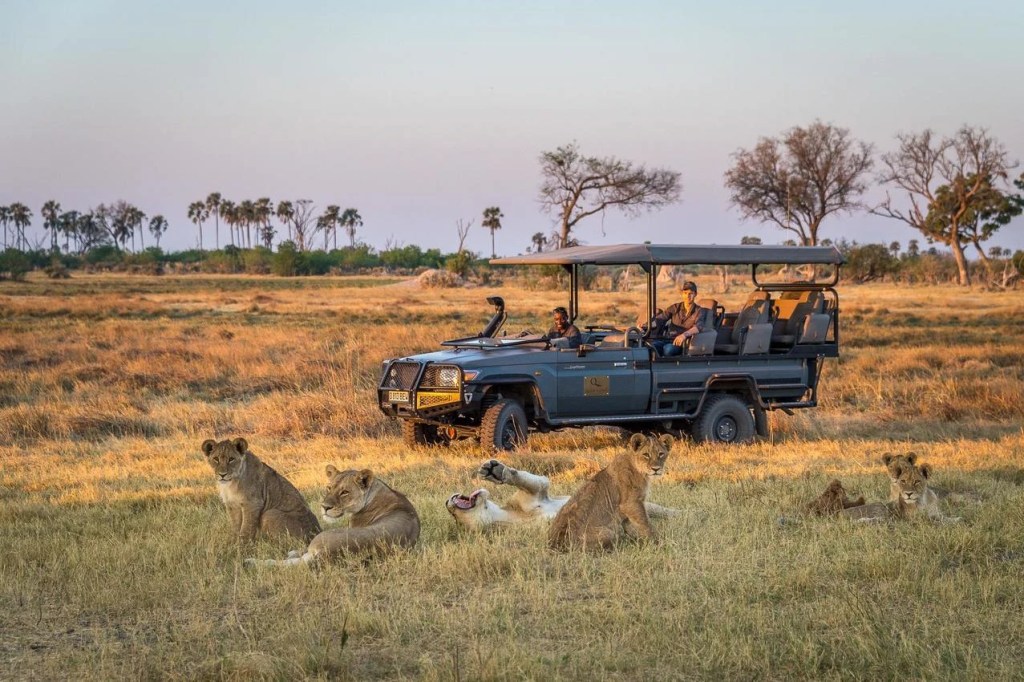
Are Photo Safaris Worth It?
For many wildlife photographers, the idea of an African safari sits high on the bucket list. The landscapes are iconic, the wildlife is extraordinary, and the opportunities for unforgettable images seem endless. But once people begin researching, a practical question quickly follows: are photo safaris worth it?
It is a fair question. A dedicated photo safari is a significant investment, and at first glance it can seem similar to a standard safari holiday. Both take you into wildlife-rich areas. Both involve game drives, lodges, guides, and spectacular encounters with animals. But for photographers, the experience can be very different.
The short answer is yes, photo safaris are often absolutely worth it for photographers who want better wildlife encounters, stronger images, more personalised guidance, and a trip designed around photography rather than general sightseeing. The real value is not only in seeing wildlife, but in how you see it, how much time you get, where the vehicle is positioned, what support you receive, and how much your photography can improve in the field.
In this article, we will break down what a photo safari is, how it differs from a traditional safari, why dedicated wildlife photographers choose them, and what you can realistically expect from the experience.
Ready to Plan a Safari Built Around Photography?
If you are travelling all the way to Africa with a camera in your hand, it makes sense to choose a safari that gives your photography the attention it deserves. A dedicated photo safari gives you better time in the field, more considered vehicle positioning, smaller groups, and guidance from people who understand wildlife behaviour and photography.
Whether you are hoping to improve your technique, capture stronger wildlife images, or simply experience Africa at a slower and more photographic pace, we can help you choose the right destination, season, camp, and safari style.
What a Photo Safari Is
A photo safari is a safari experience specifically designed for people who want to photograph wildlife, landscapes, and safari moments at a higher level than a standard holiday usually allows.
Rather than treating photography as an optional extra, a photo safari makes it central to the trip. That affects nearly every part of the experience, from the guides and vehicles to the timing of drives and the pace of sightings.
Read our article on What Is a Photo Safari and Why Should You Go on One?
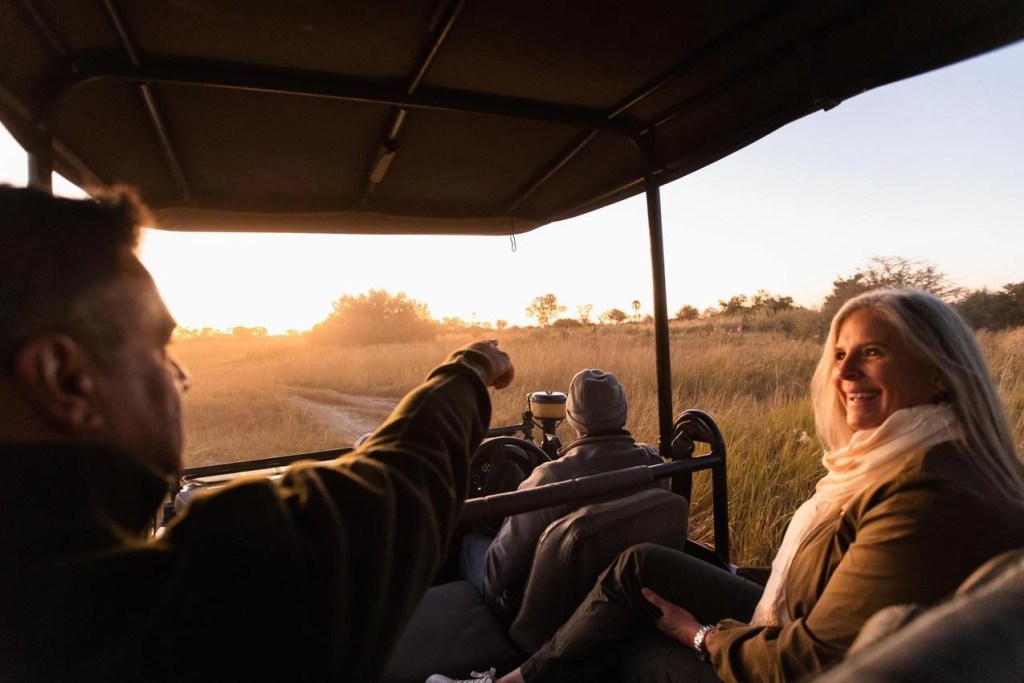
A safari built around photography
On a dedicated photographic safari, the goal is not simply to tick animals off a checklist. It is to help guests return home with memorable images and a deeper understanding of how to photograph wildlife well.
That usually means:
Specialised vehicles and setup
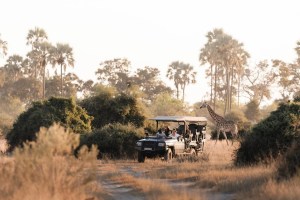
Many photo safaris use vehicles adapted for photography. These may have open sides, lower seats, more room for gear, camera supports, or layouts that give each guest a better shooting angle. Even a small difference in seat position can dramatically affect background, eye level, and image quality.
Better Vehicle Positioning
On a dedicated photo safari, vehicle positioning is far more deliberate. A guide may reposition for cleaner backgrounds, a better shooting angle, better front light, or a lower-feeling perspective. Instead of asking only, “Can everyone see?”, the thinking becomes, “Can everyone photograph this well?”
That is a major difference.
Guides who understand photography
A strong photographic guide does more than find animals. They understand light direction, subject angle, background, subject behaviour, and how repositioning the vehicle by a metre or two can improve an image.
Smaller groups
Photo safaris often run with fewer guests per vehicle. This gives photographers more room, better sight lines, and more flexibility during sightings.
Time for the shot
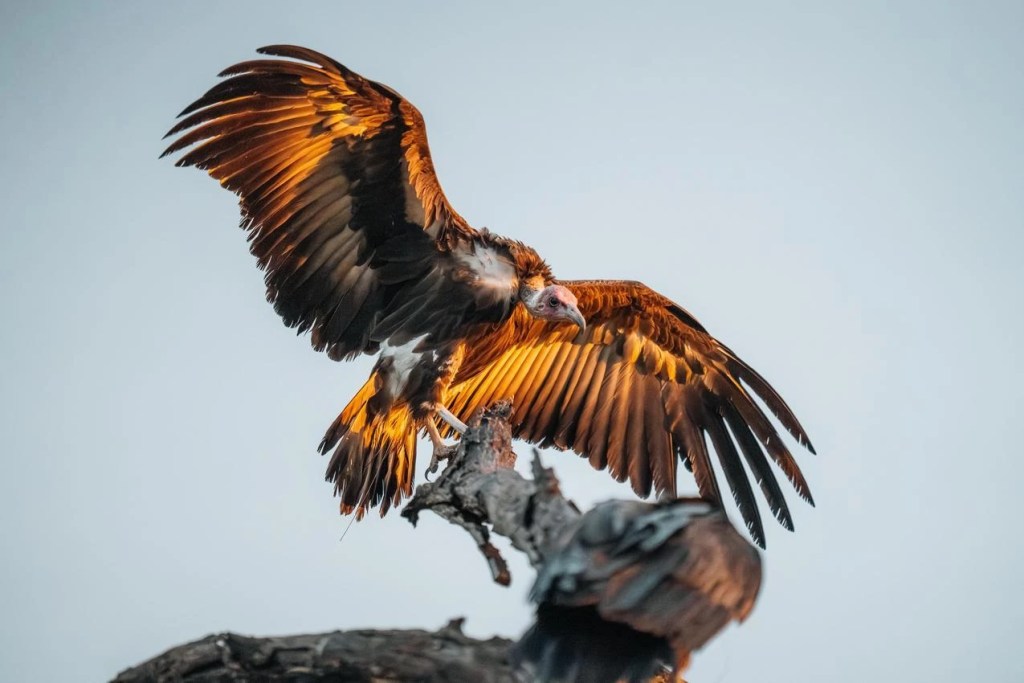
A photographic safari will often stay with a subject longer when behaviour suggests a stronger image may be coming, whether that is a lion walking into a back lit scene, an elephant raising its trunk just so, or a bird launching from a branch. A photographic guide will give you ideas for the shot, and suggest ideal camera settings for what you are faced with.
How Photo Safaris Differ From Traditional Safaris
Traditional safaris are fantastic experiences, especially for first-time visitors to Africa. They are often designed to appeal to a wide range of travellers, including families, honeymooners, and general wildlife enthusiasts. That usually means the schedule is built around broad enjoyment and comfort rather than the specific needs of photographers.
Photo safaris prioritise photographic outcomes
A dedicated wildlife photography safari offers several clear benefits for photographers who want better images and a more productive experience in Africa.Dedicated photo safaris are more intentional. They tend to place greater value on:
That difference can transform the quality of your images.
The pace is often slower and more deliberate
A traditional safari may focus on seeing as much as possible. A photo safari on the other hand is often more selective. Instead of racing from sighting to sighting, the guide may choose to stay longer at fewer encounters if the photographic potential is strong.
This slower pace often leads to stronger storytelling and more varied images, from portraits and action frames to environmental compositions and behavioural sequences.
Why Photographers Choose Dedicated Photo Safaris
Photographers choose dedicated photo safaris because wildlife photography in Africa is about much more than simply being near animals. Success depends on light, positioning, patience, fieldcraft, and local expertise.
Better access to meaningful opportunities
A great wildlife image is often the result of anticipation. Experienced photographic guides and safari operators understand animal behaviour and can predict moments before they happen. That knowledge helps photographers prepare camera settings, choose the right lens, and be ready when behaviour unfolds.
For example, understanding when wild dogs are likely to become active, when a leopard may descend from a tree, or how elephants interact at water can make a huge difference to the images you bring home.
Expert support in the field
For many guests, one of the biggest advantages is having experienced photographers on hand to help with technique. This support can be valuable whether you are a beginner learning the difference between aperture and shutter speed, or an advanced photographer refining your compositions.
On safari, practical guidance often includes:
Stay Inspired Between Safaris
Join the Photo Safari newsletter for safari stories, photography tips, destination inspiration, and updates on upcoming departures delivered straight to your inbox.
A more rewarding use of time
Africa is a long-haul destination for many travellers. When you have invested in flights, time off work, and safari costs, it makes sense to choose a trip structure that gives you the best chance of returning with images you are proud of.
That is one reason serious wildlife photographers often prefer a photographic safari over a general safari with a camera brought along as an afterthought.
Key Benefits for Wildlife Photographers
For photographers, the value of a photo safari is usually measured in both images and experience. The right trip gives you more than a gallery of photos. It gives you deeper encounters, sharper field skills, and a stronger understanding of wildlife photography in real conditions.

Better light and better timing
Photographic safaris are usually structured around the best shooting windows. Early mornings and late afternoons produce softer, more directional light, which is far more flattering for wildlife than the harsh midday sun.
This is especially important for:
A strong guide will also know when certain locations produce the best backgrounds at certain times of day.
Better angles and cleaner backgrounds
Many beginners focus on the animal itself, but experienced wildlife photographers know that background quality is often the difference between simply a record of what you saw, and a piece of art that you want to hang on your wall.
Photo safaris often improve this through vehicle positioning and patience. A slight change in angle can remove a distracting branch, isolate the subject against clean grass or sky, or place catchlight in the eyes.
More time to anticipate behaviour
Behaviour is often what makes a wildlife image come alive. A portrait can be beautiful, but a moment of interaction, tension, movement, or expression usually has stronger storytelling power.
Photographic safaris create more opportunity to wait for these moments. Instead of taking a few quick frames and moving on, you may spend time observing the subject until behaviour develops naturally.
A learning environment
A dedicated photo safari is not only for experts. In fact, many guests get the most value when they are still building confidence. Being in a vehicle with guides who understand cameras, settings, and wildlife behaviour can shorten the learning curve dramatically.
You may come home with better images, but also with a much stronger sense of how to photograph in the field.

What Photographers Can Expect During a Photo Safari
A good photo safari is immersive, practical, and often deeply energising for photographers. It is also worth having realistic expectations.
Early starts and purposeful days
Most safari photography happens when the light is best and animals are most active. That means early morning departures are normal. Afternoon drives often continue into sunset and sometimes beyond, depending on location and regulations.
The days are built with intention. You are usually not just driving randomly and hoping for luck. Good operators think carefully about habitats, current wildlife activity, recent sightings, seasonal conditions, and what photography opportunities are most promising.
Guidance without pressure
A well-run photographic safari should support you without making the trip feel like a rigid workshop unless that is specifically what you want. Some guests enjoy detailed tuition throughout the day. Others prefer to photograph independently and ask questions when needed.
A quality safari should accommodate both.
Ask Who Is Hosting the Safari
While big mammals often get most of the attention, a strong photo safari encourages photographers to see the wider creative potential of Africa. You can expect opportunities with:
The most rewarding trips are often those where photographers come home with a diverse body of work rather than only tight portraits of the Big Five.

Practical camera expectations
You do not need the most expensive gear to enjoy a photo safari, but it helps to arrive prepared. In most cases, photographers benefit from:
One practical tip is to learn your gear at home before arriving in Africa. Practice changing settings without taking your eye from the viewfinder. Wildlife moments often happen quickly, and hesitation can cost the shot.
How to Choose the Right Photo Safari
Not all photo safaris are equal. Some are genuinely built around photography. Others simply use the label without offering the structure or expertise photographers actually need.
Look at the guiding and photographic leadership
The people leading the safari matter enormously. Ask who will be guiding, whether they have photographic experience, and whether the trip includes instruction in the field.
A great wildlife guide can find animals. A great photographic guide can help turn sightings into wish list images.
Consider group size carefully
One of the most important questions to ask is how many photographers share a vehicle. Even excellent wildlife sightings become less productive when too many people are trying to shoot from the same angle.
Smaller groups generally lead to a much better photographic experience.
Check the vehicle setup
If photography is the focus, look into the vehicle design. Is there enough room for long lenses? Are seats arranged for clear shooting lines? Are bean bags or camera supports available? Are there restrictions on movement?
These details matter more than many first-time safari guests realise.
Think about destination and season
Different safari destinations suit different photographic goals. Some areas are better for predators, some for elephants, some for birds, and some for dramatic landscapes or water-based photography.
Season also matters. Dry season may offer easier wildlife concentration around water, while green season can bring lush scenery, dramatic skies, young animals, and beautiful birdlife.
Choose an operator that matches your style
Some photographers want a highly instructional trip. Others want a more relaxed luxury safari with expert support available when needed. Some want intense predator action. Others want diverse wildlife and time to slow down creatively.
The best safari is not simply the most expensive or the most famous. It is the one that matches your interests, skill level, and photographic goals.
Why Book Your Safari With Photo Safari Company
Planning an African safari is about more than choosing a destination and a lodge. The right safari should match your travel style, budget, interests, and the kind of experience you want to have in the field. That is where working with the right operator makes a real difference.
At Photo Safari Company, we help travellers build safaris that are thoughtful, well paced, and suited to what they actually want from Africa. Whether you are looking for a first-time safari, a luxury lodge journey, or a more photography-focused experience, we combine practical planning advice with real field knowledge to help you make confident decisions.
We understand that a safari is a major investment, both financially and emotionally. That is why we focus on clear guidance, trusted partners, honest advice, and helping you choose the right itinerary rather than simply selling you a generic trip. From destination selection and lodge matching to photography support and pre-travel planning, our goal is to make the entire process smoother and more rewarding.
If you want a safari that feels well considered from the start, booking with Photo Safari Company is a smart place to begin.

Final Thoughts on Are Photo Safaris Worth It
So, are photo safaris worth it?
For photographers who care about more than simply seeing wildlife, the answer is very often yes. A dedicated photo safari offers a more thoughtful, more rewarding, and more productive experience than a standard safari usually can. It gives you better vehicle positioning, more time at sightings, guides who understand photography, and an environment designed to help you create stronger images.
Just as importantly, it can change the way you photograph. You begin to notice light more carefully, anticipate behaviour more effectively, and compose with greater intention. The value is not only in the images you bring home, but in the skills and perspective you develop while making them.
Africa offers some of the finest wildlife photography opportunities in the world. Experiencing it on a safari designed specifically for photographers can make all the difference between returning with a handful of snapshots and returning with a body of work that truly reflects the magic of the bush.
If you are investing in the journey, it makes sense to choose an experience that is built to help you make the most of every encounter.
Make Your African Safari Count
A photo safari is not just about seeing wildlife. It is about giving yourself the best possible chance to photograph meaningful moments in the right light, from the right angle, with the right support around you.
At Photo Safari Company, we create photographic safaris for travellers who want more than a standard wildlife holiday. From carefully selected camps and expert guiding to small-group safari experiences designed around photographers, our goal is to help you return home with stronger images and a deeper connection to the African wilderness.
If you are ready to start planning a safari that is built around photography, explore our scheduled photo safaris or speak with us about creating a tailored journey.
Frequently Asked Questions About Photo Safaris
Explore More South African and Safari Advice from Our Blog
Looking for more African safari stories, camera guides, and planning advice? Explore more from our blog:
Explore the full blog here: African Safari Blog
Hope to see you out on a photo safari soon.
Co-Founder, Director & Photography Host
About the Author
Eric van Staden is Co-Founder, Director, and Photography Host at Photo Safari Company & Go Beyond Safaris. As a wildlife photographer and full-time safari guide, he works closely with photographers and filmmakers in the field and regularly advises guests on camera gear, practical setup, and how to get the most from their equipment in real safari conditions.